Excellent work Dave…I like it.
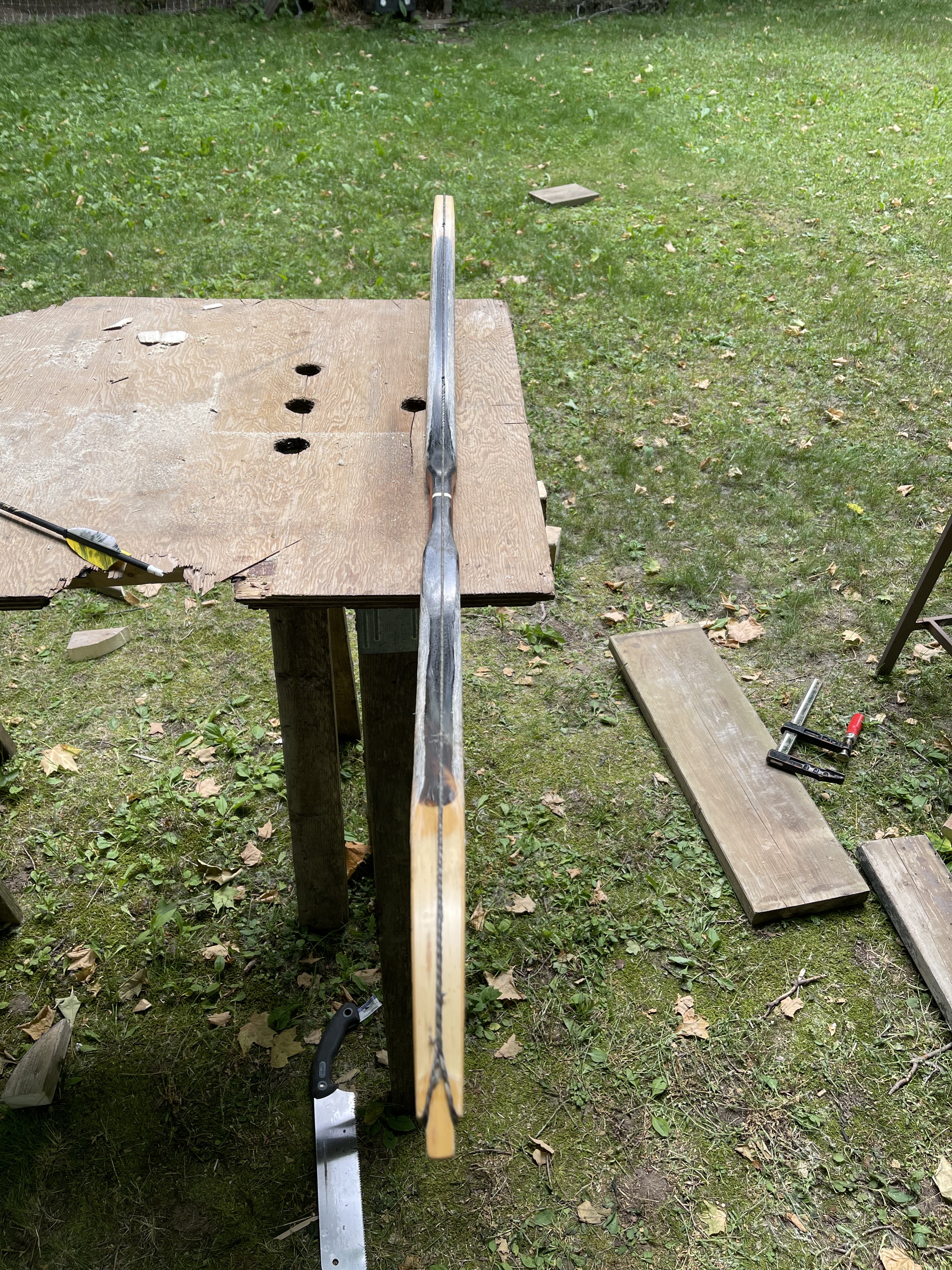
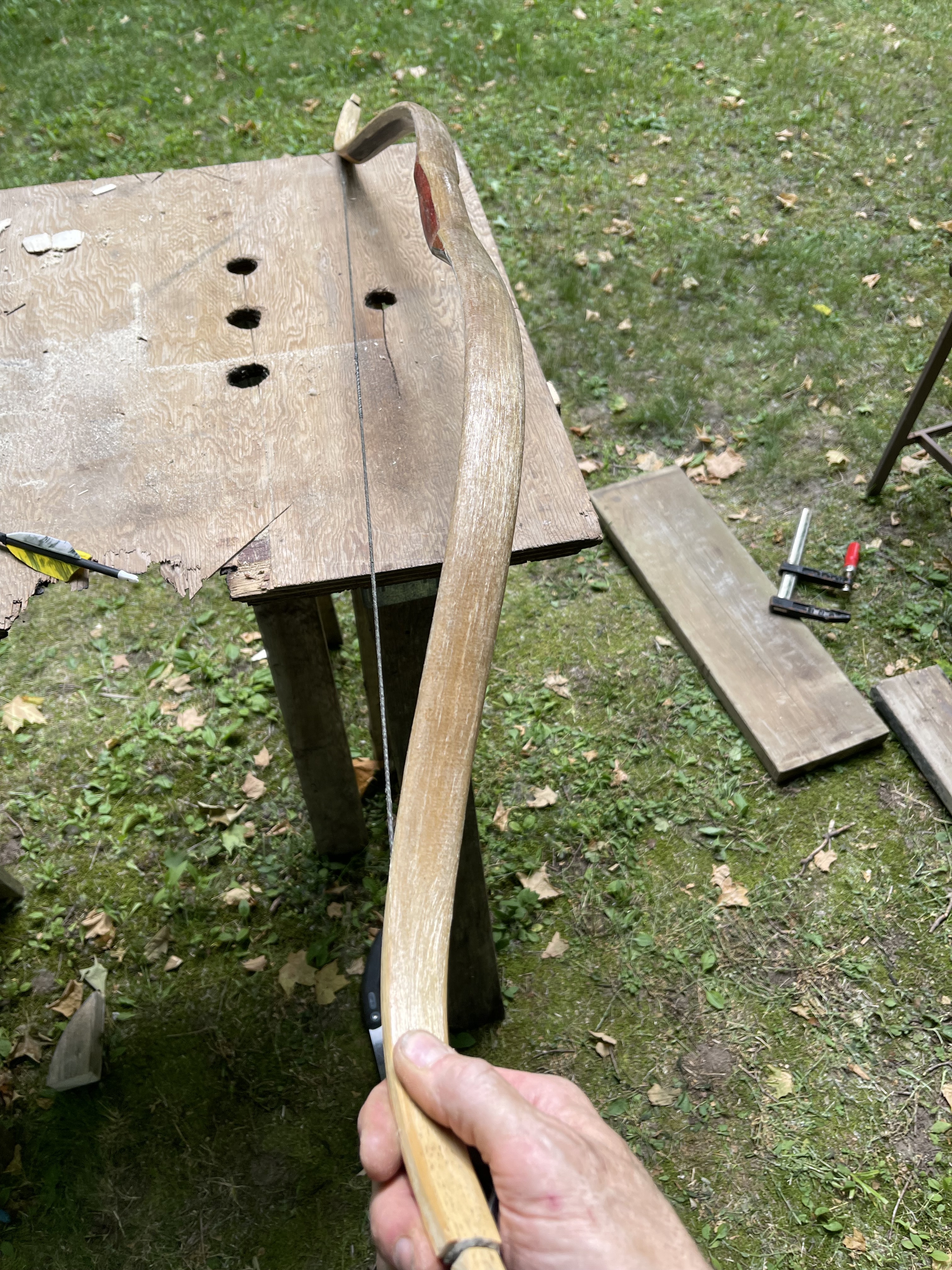
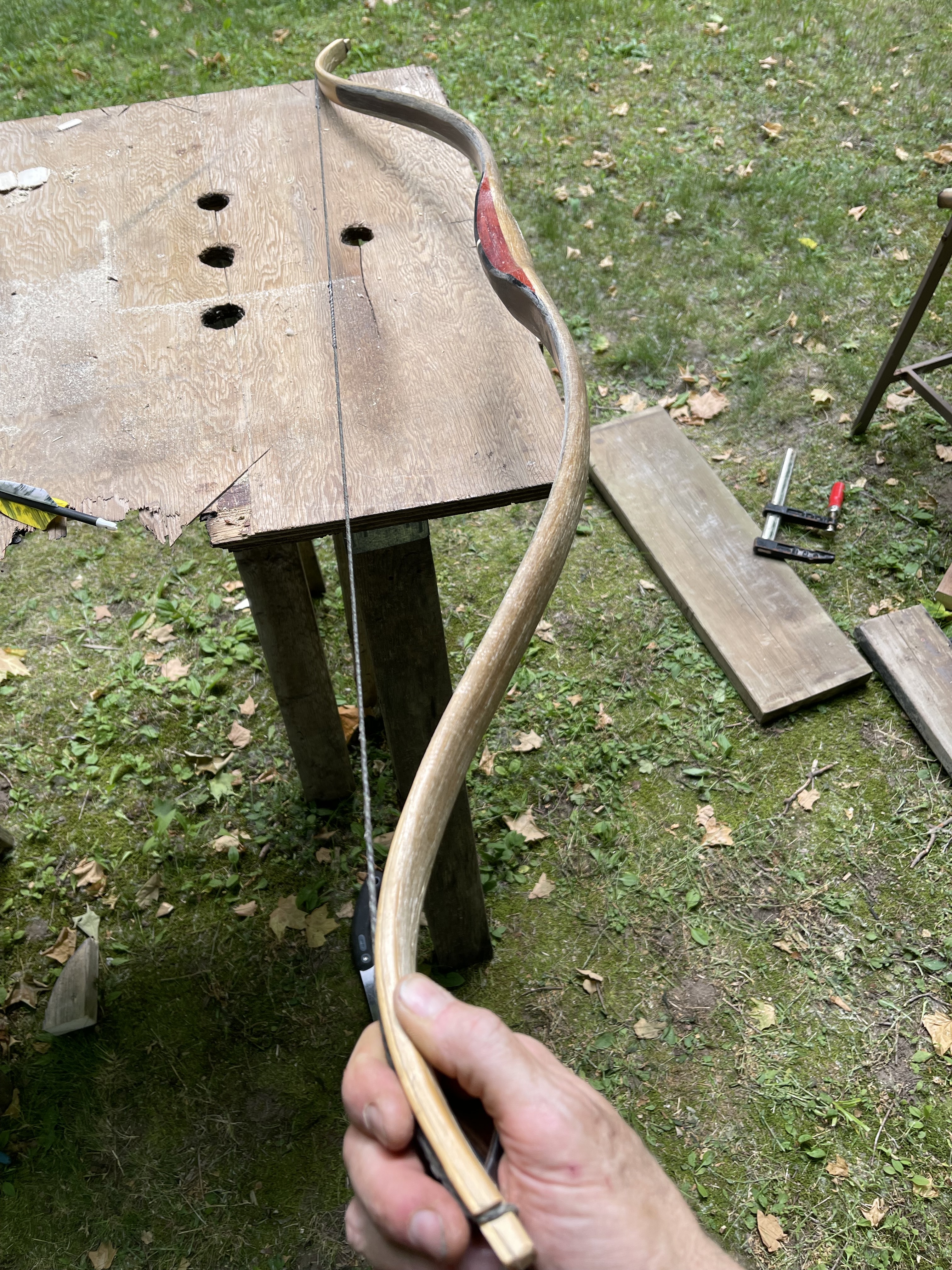
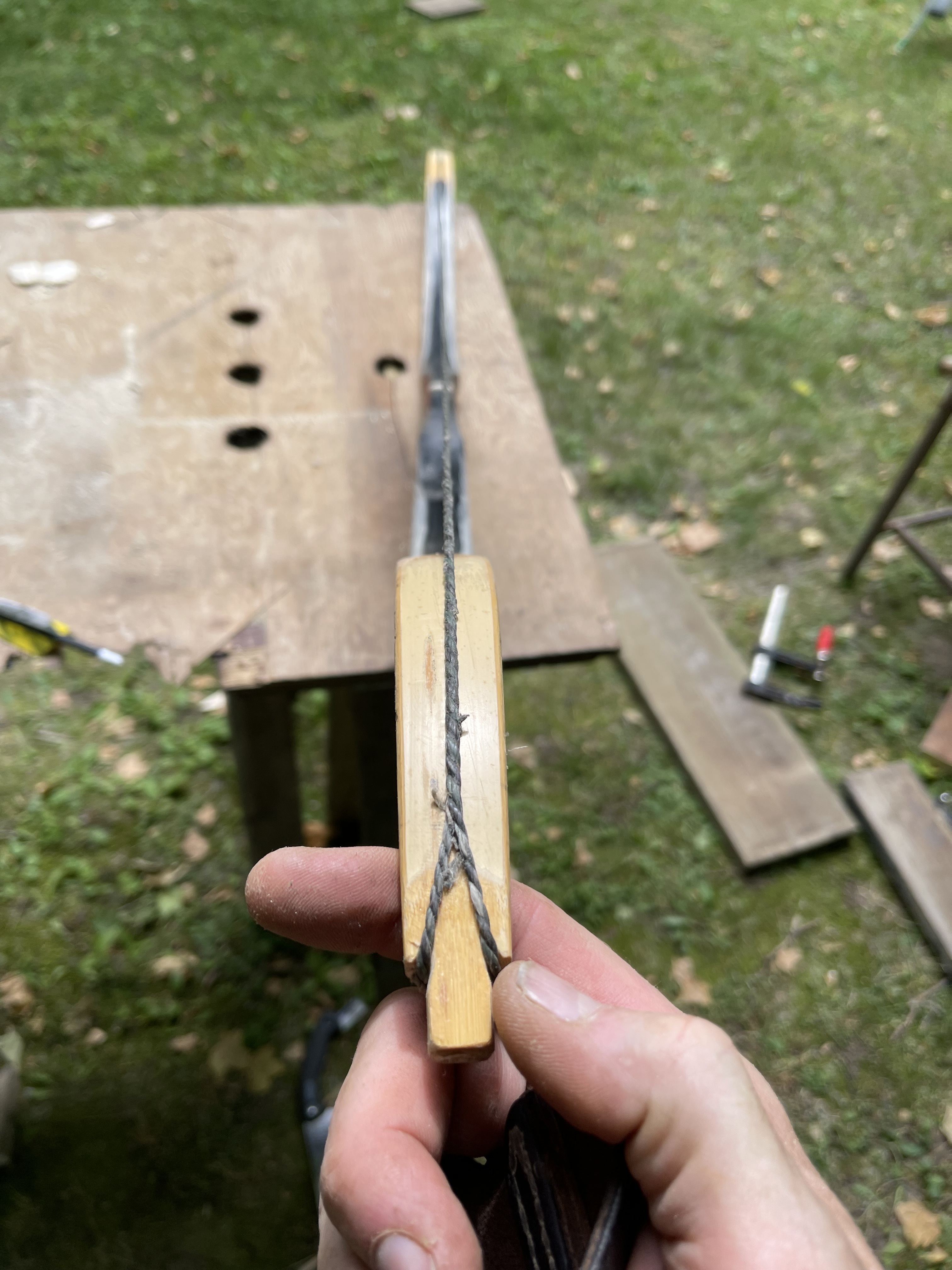
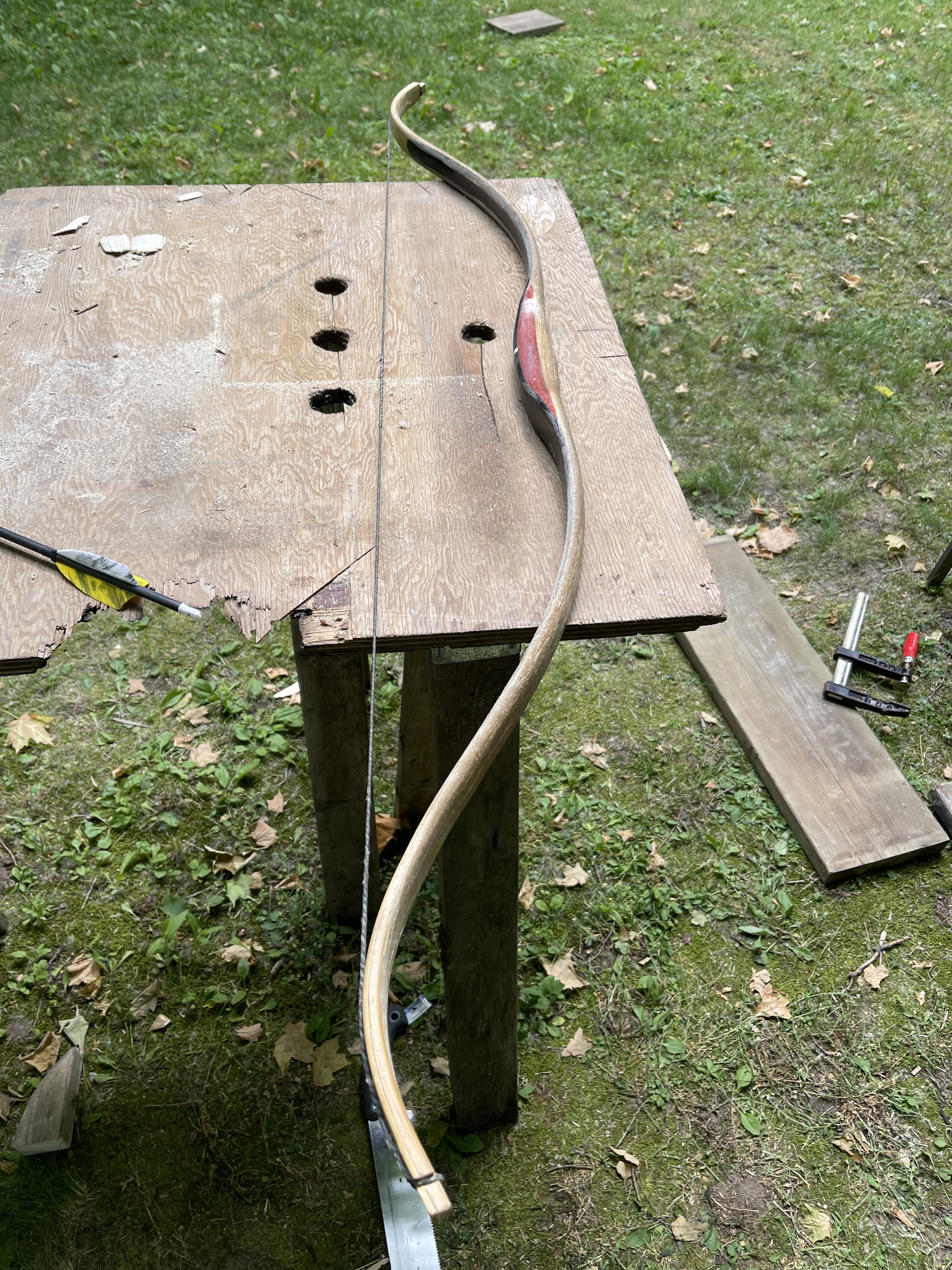
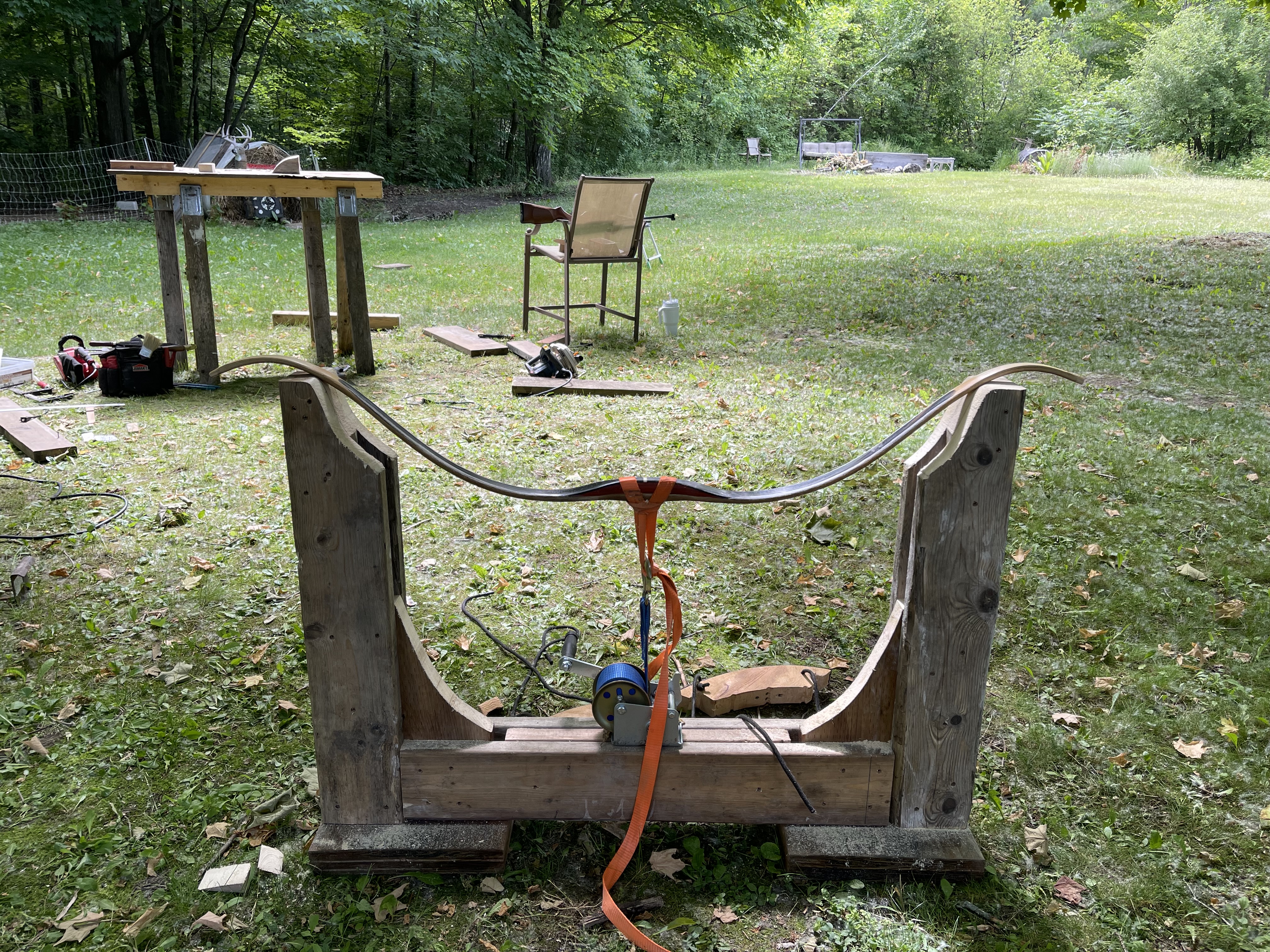
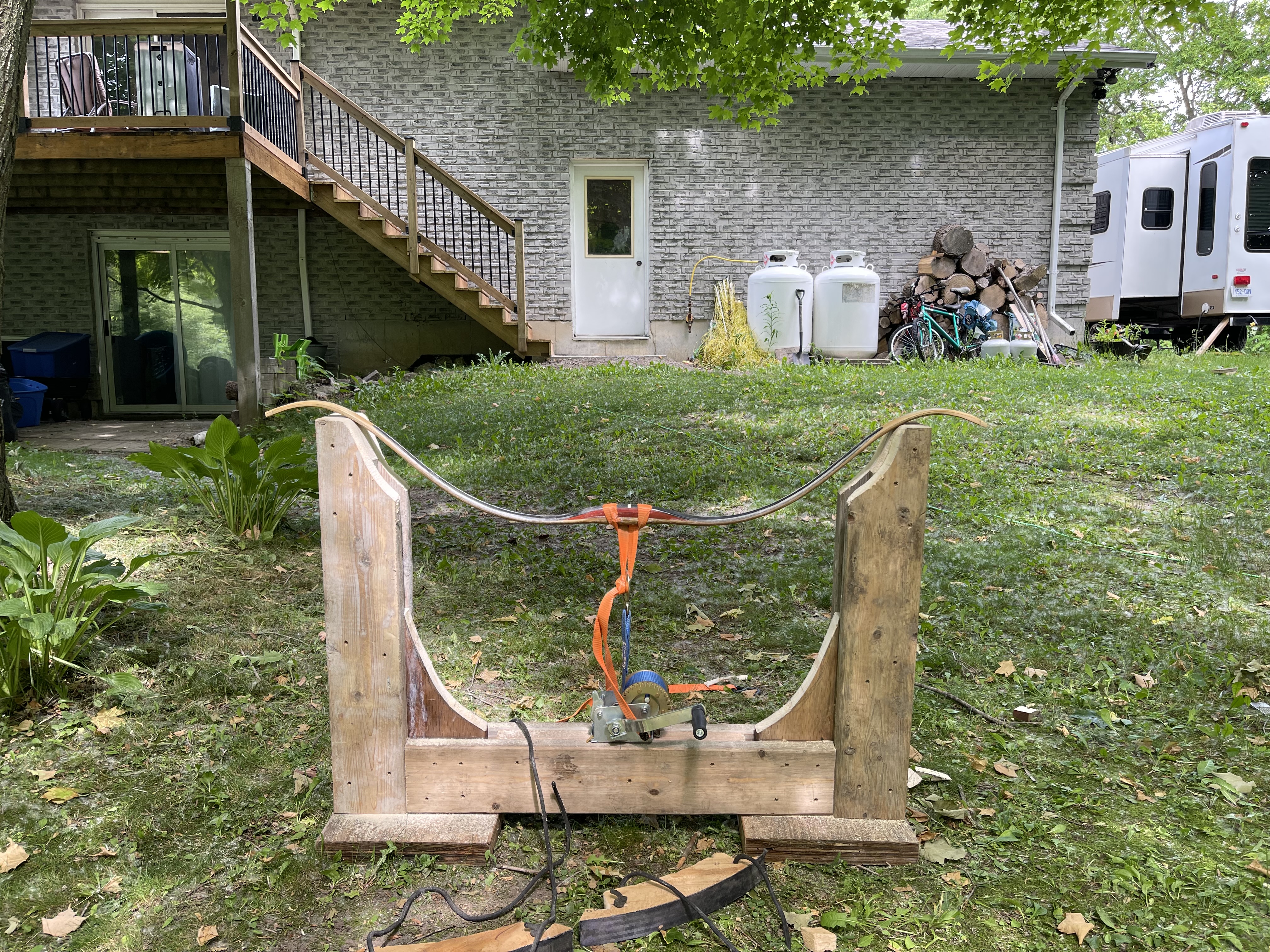
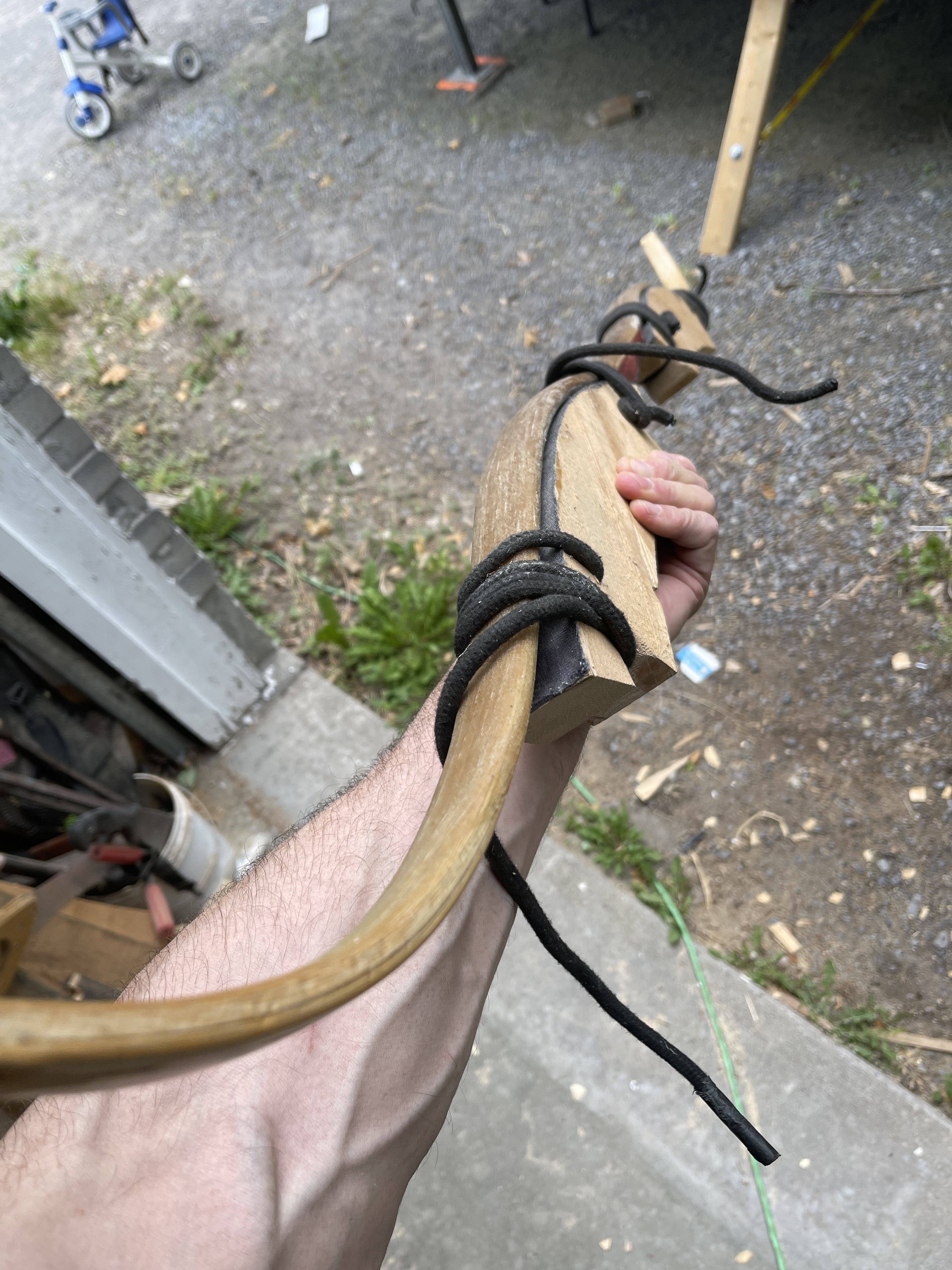
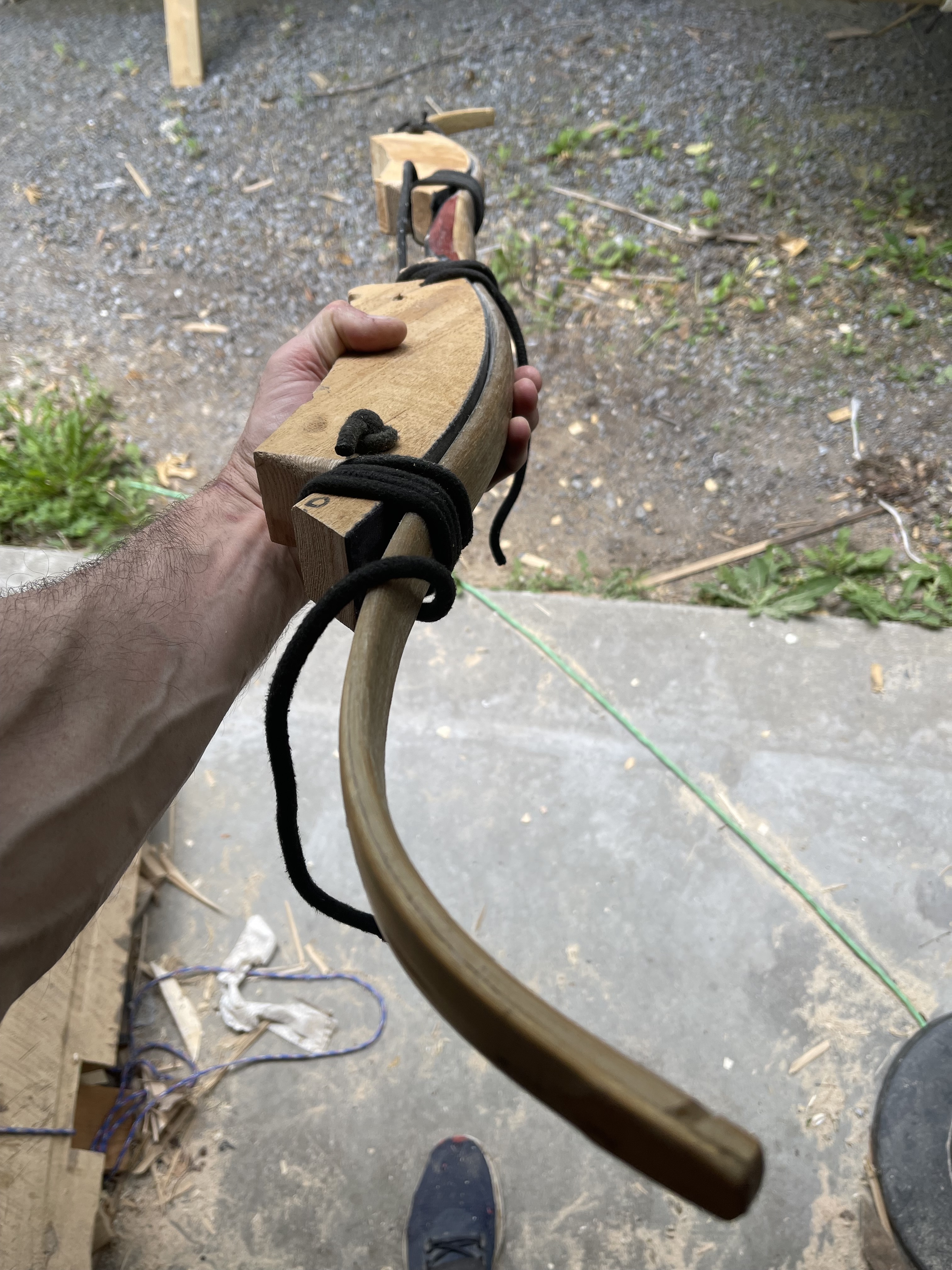
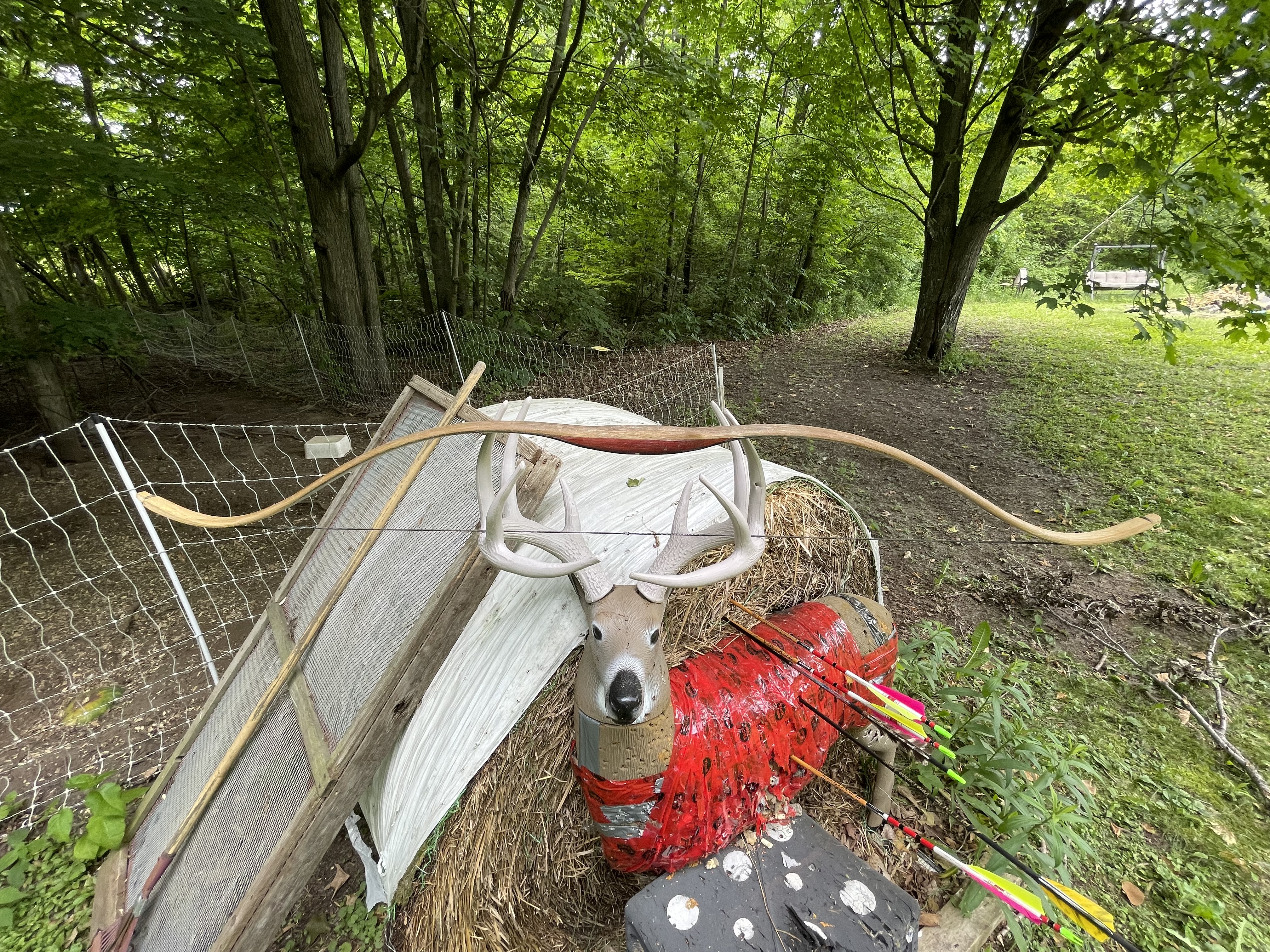
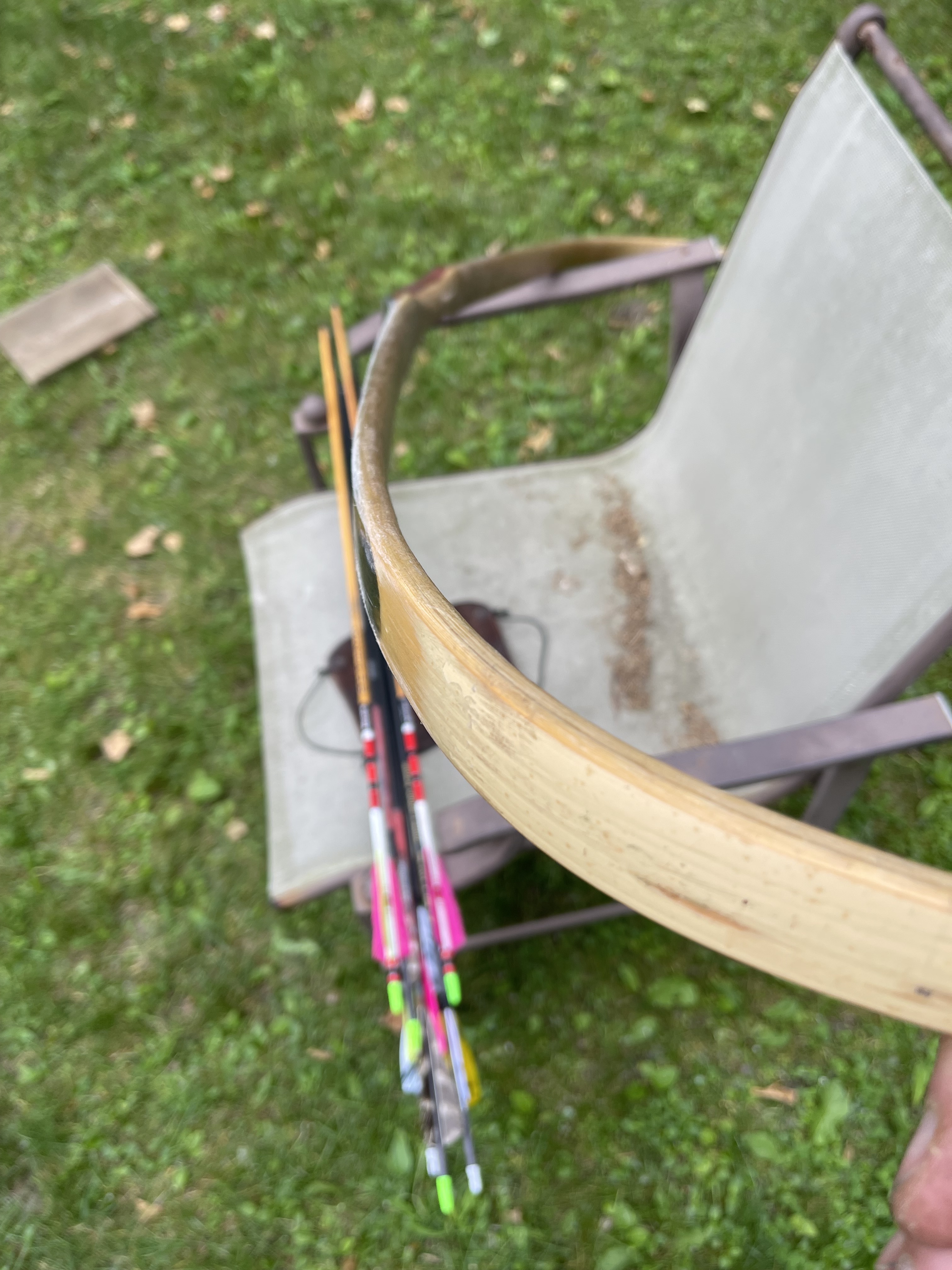
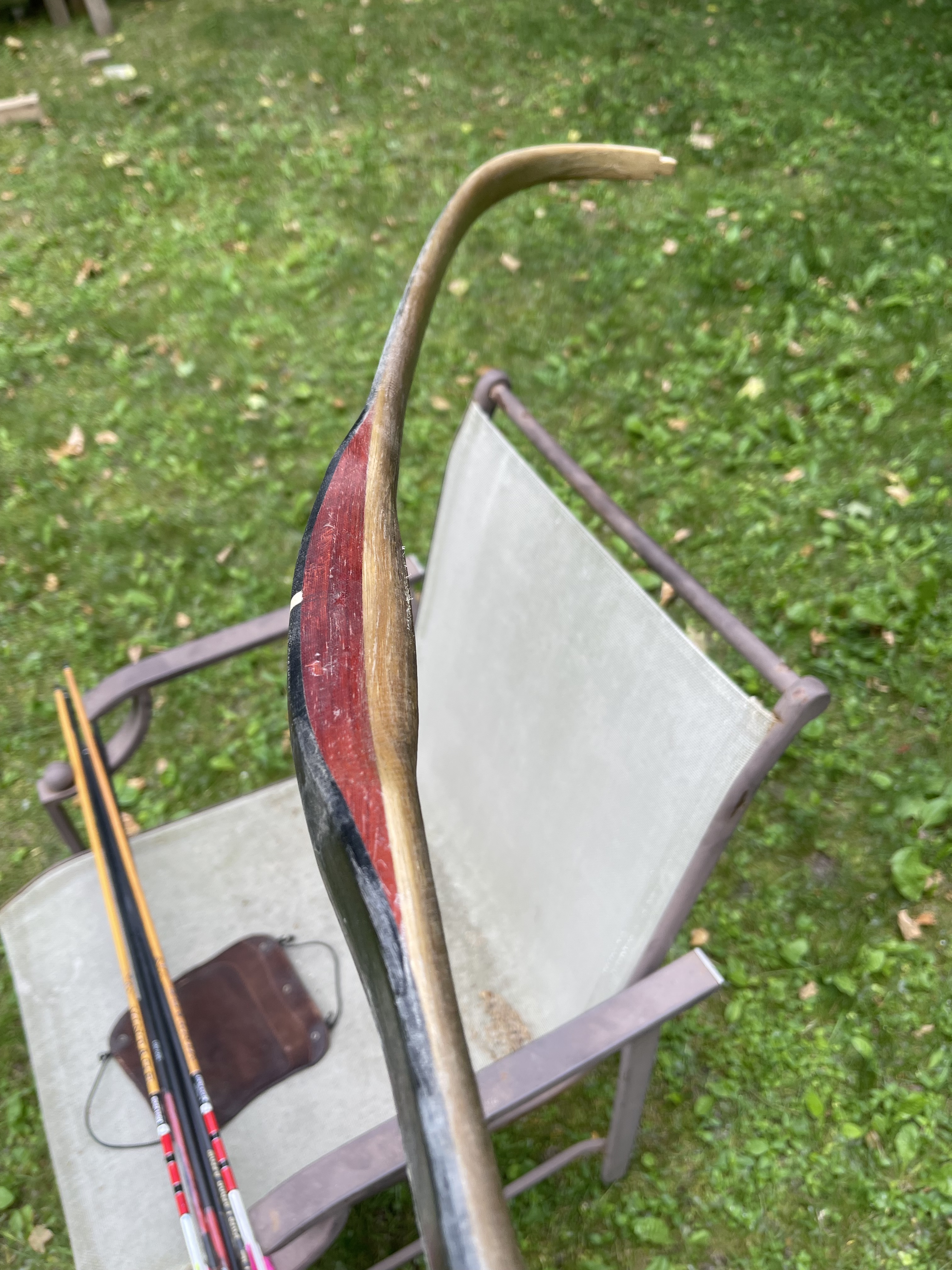
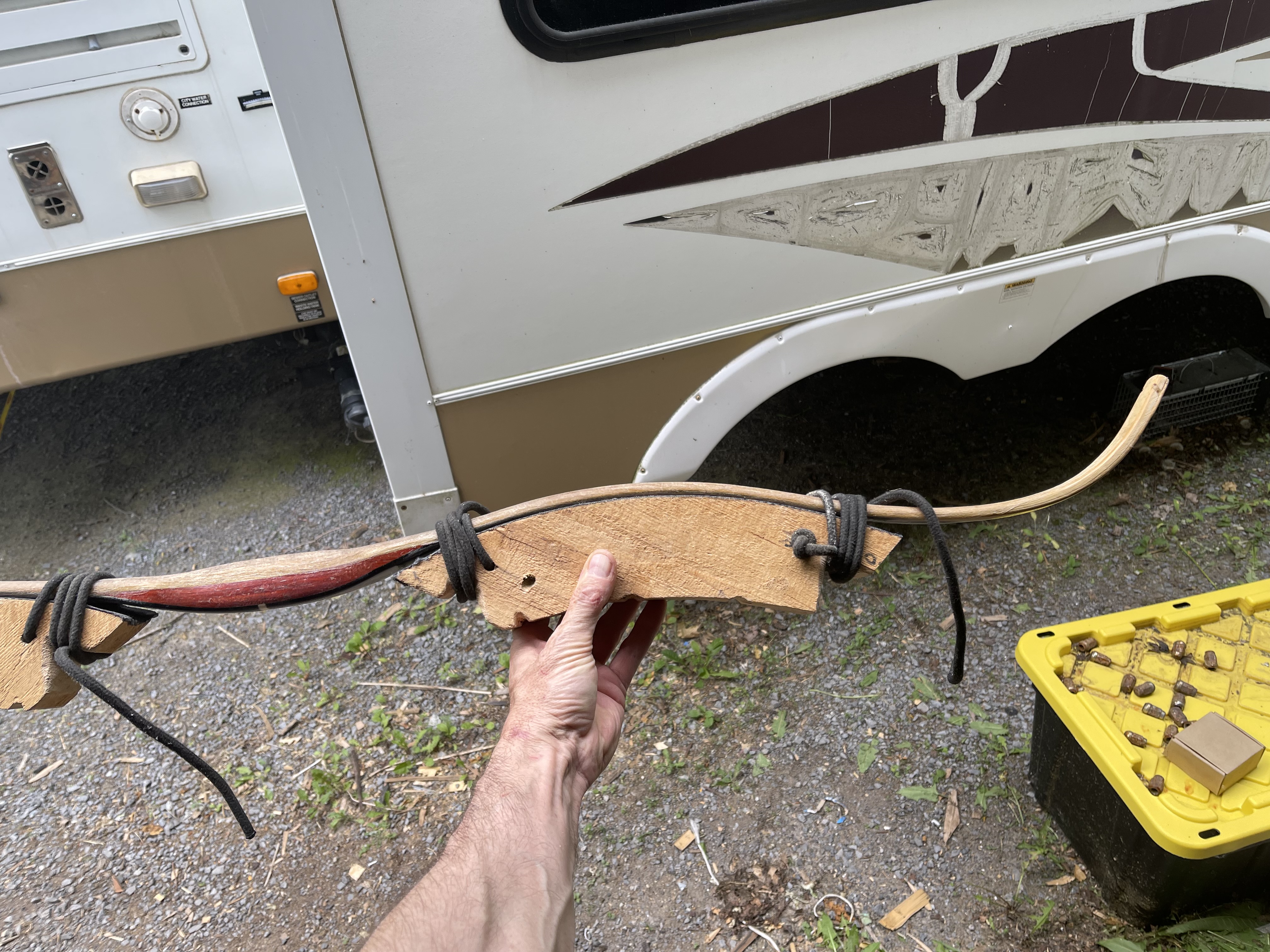
Ok so I think I’m done with this bow. I got it all finished up the way I like. The video link below shows the bow in better lighting. I’ll post some pics here too. I lost my white string material somewhere on the big move. I’ll have to order some and study up on Korean bow strings. I will do a full draw pic upload in few more weeks as I introduced some moisture into the bow for sure when getting the birch bark applied. If you look back in previous pics and video clips on the progress build of the bow you’ll get and idea of the bend. Thanks for watching and following along on this one. It’s been quite the journey moving across the country. Still need to get settled in my new shop. Things are everywhere!
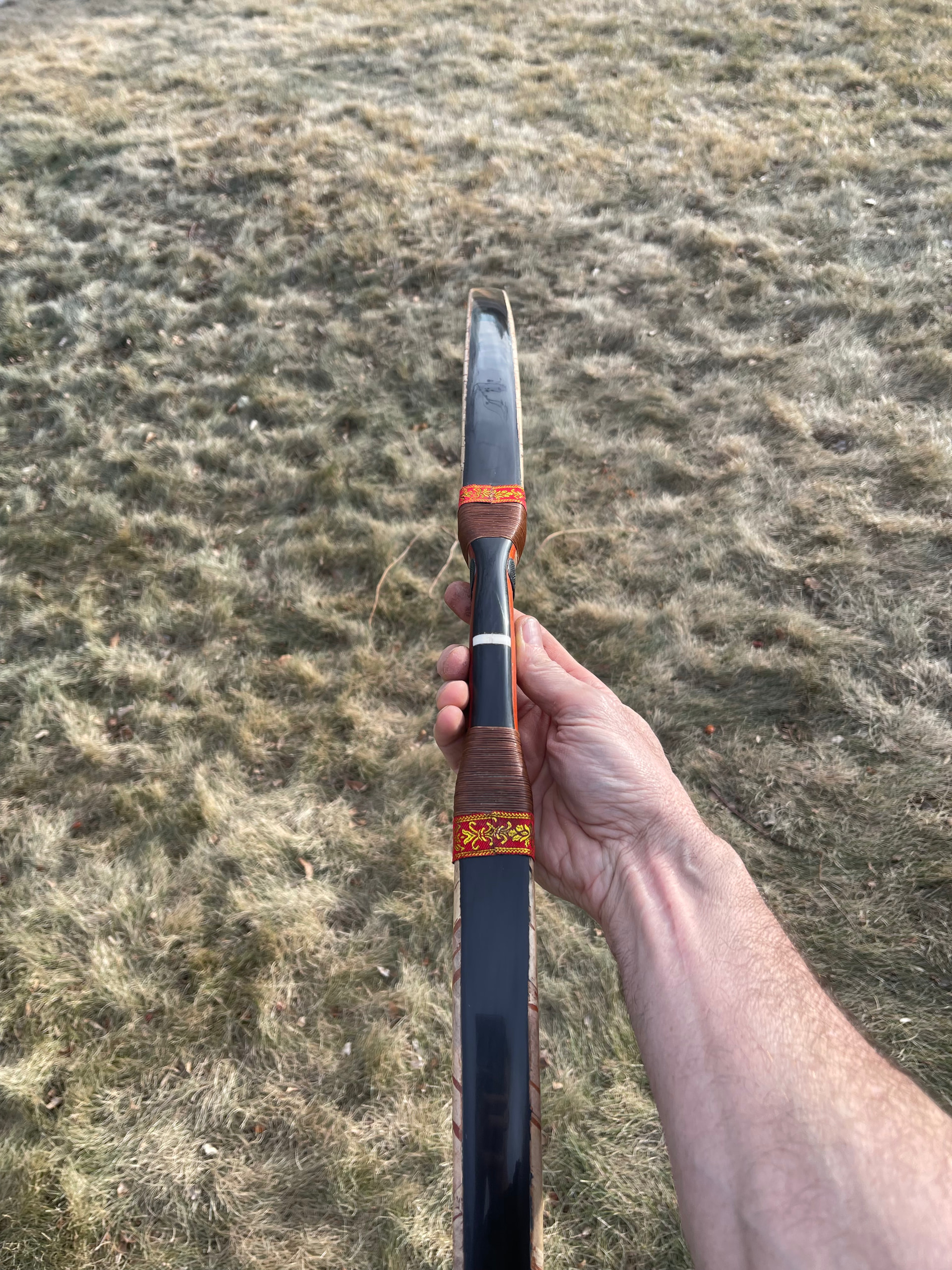
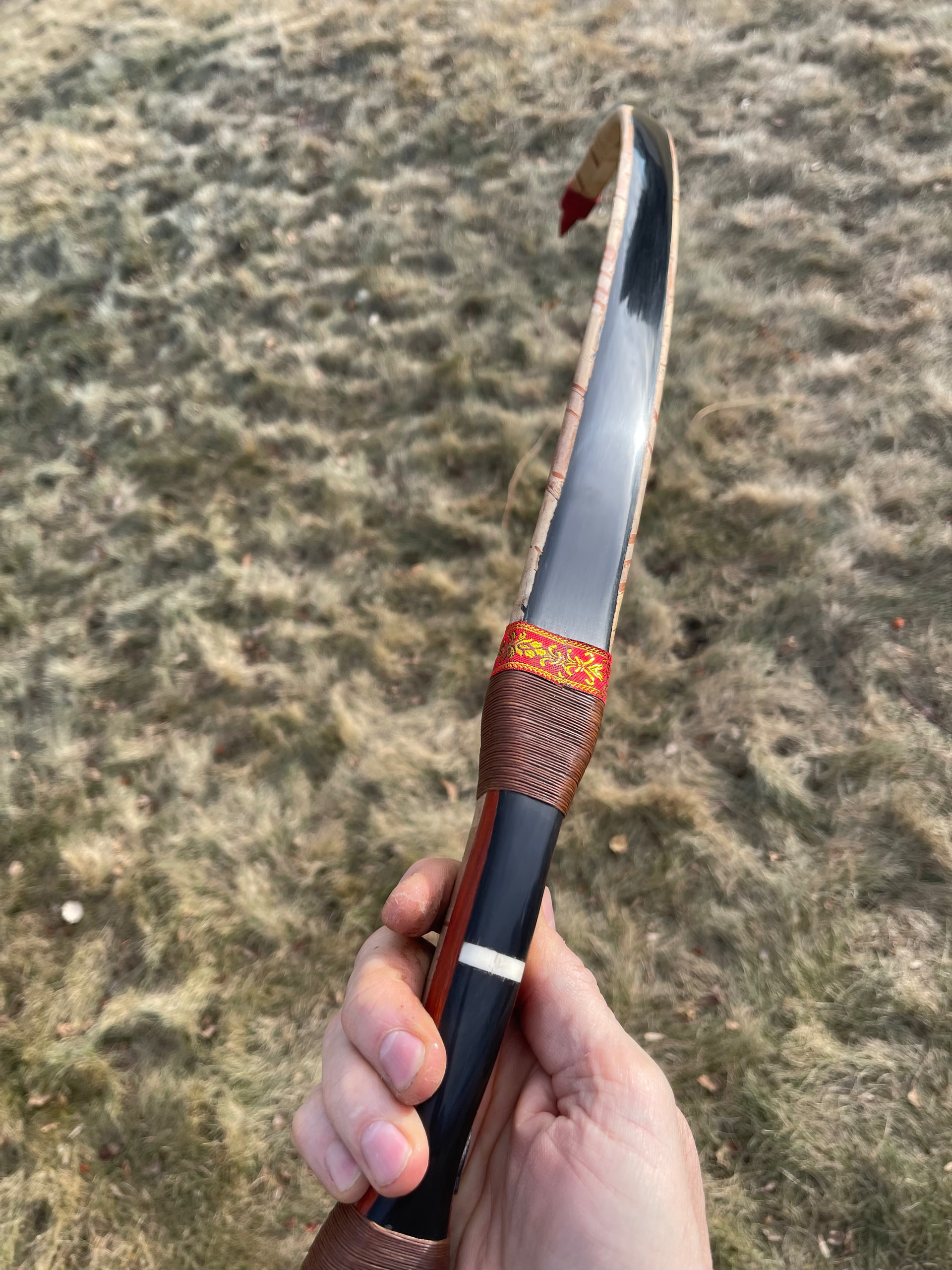
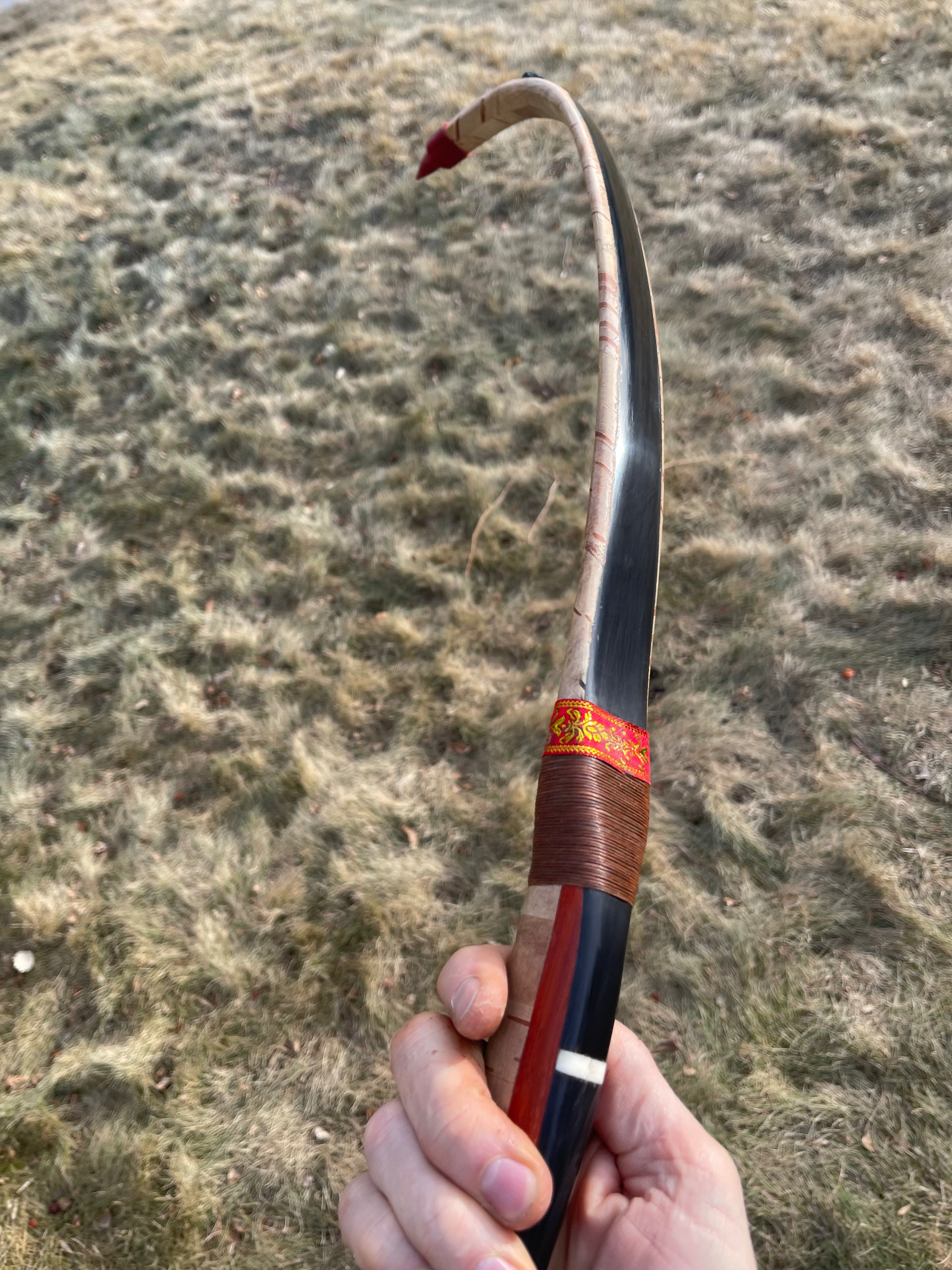
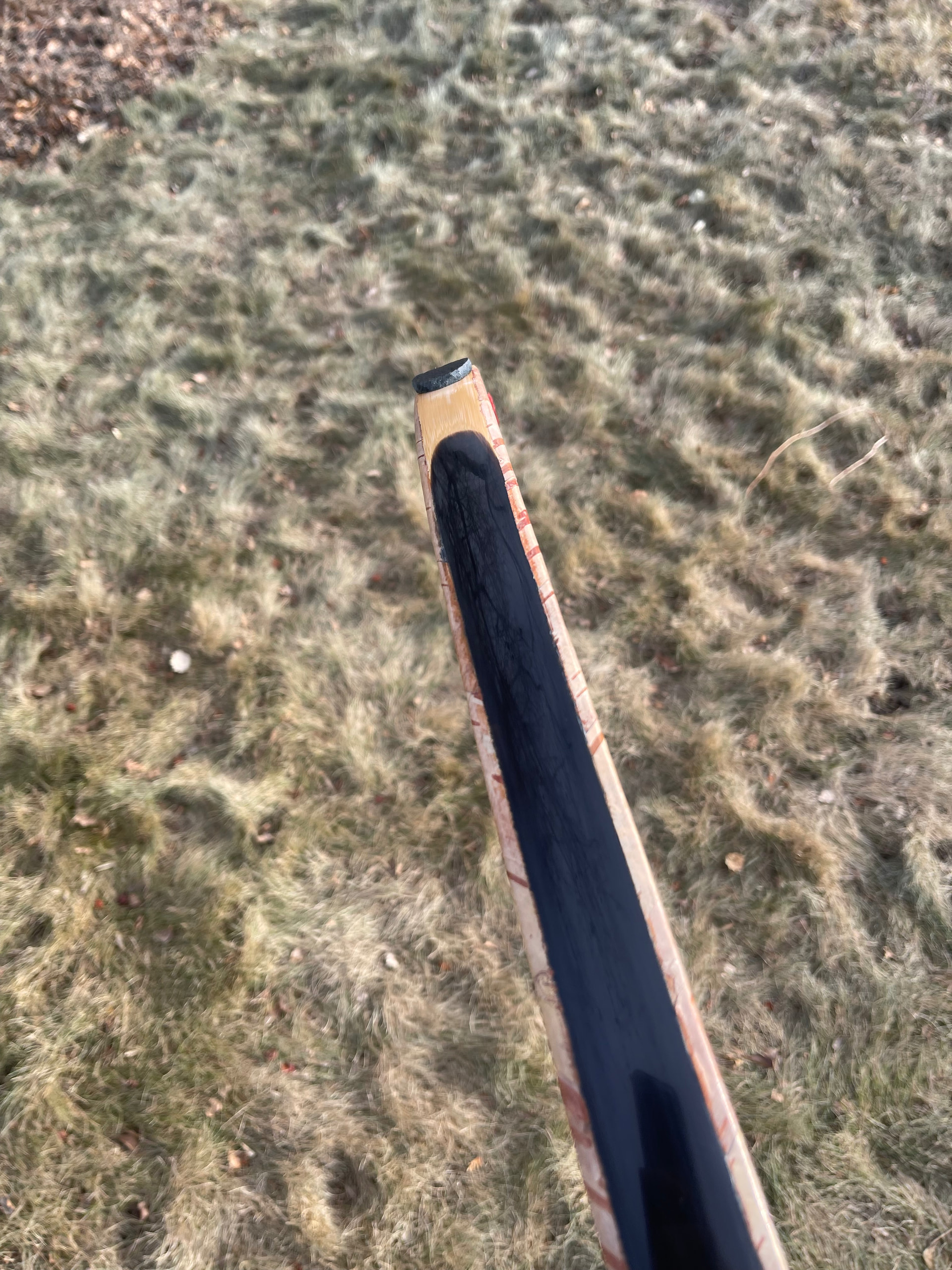
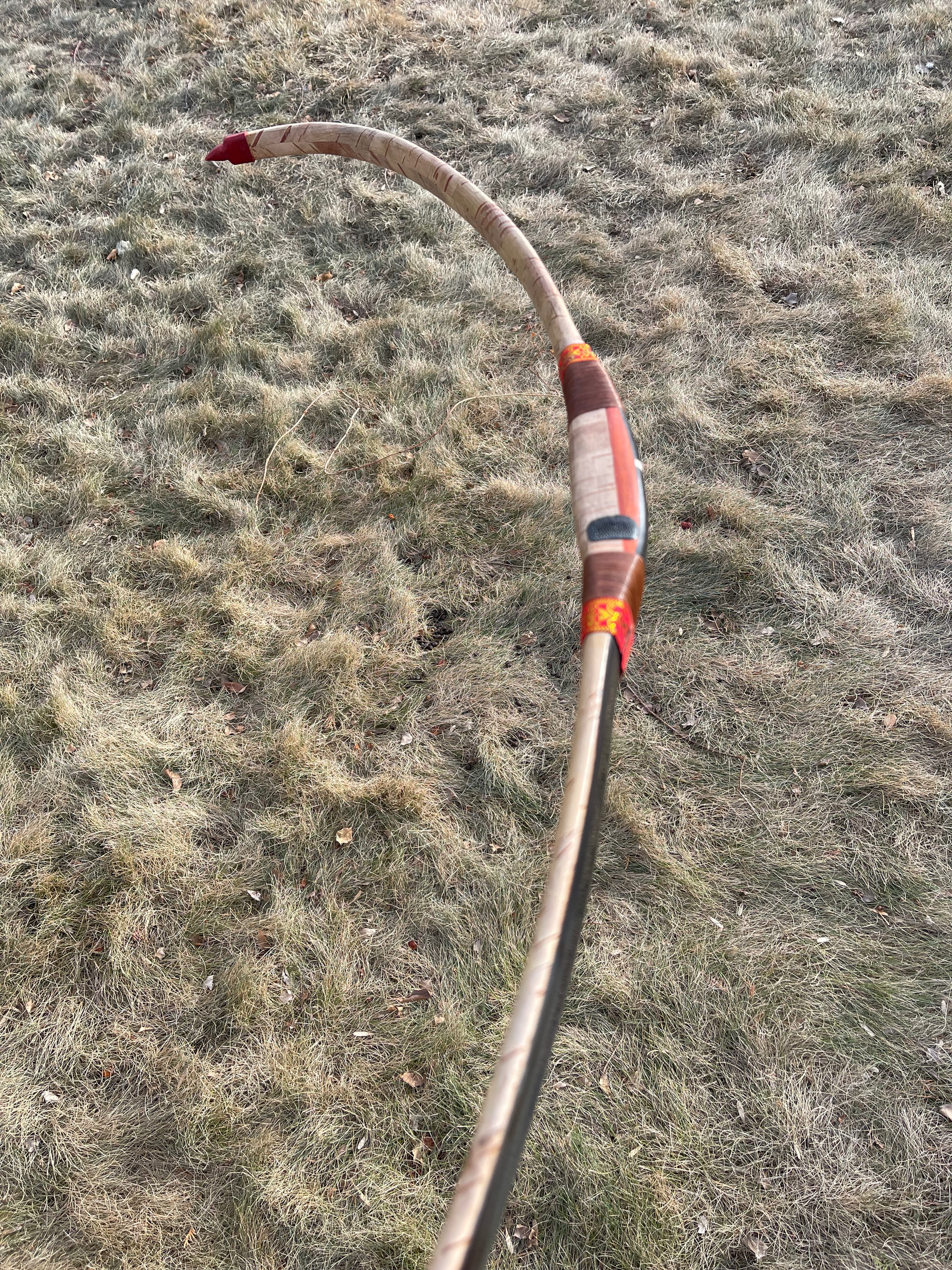
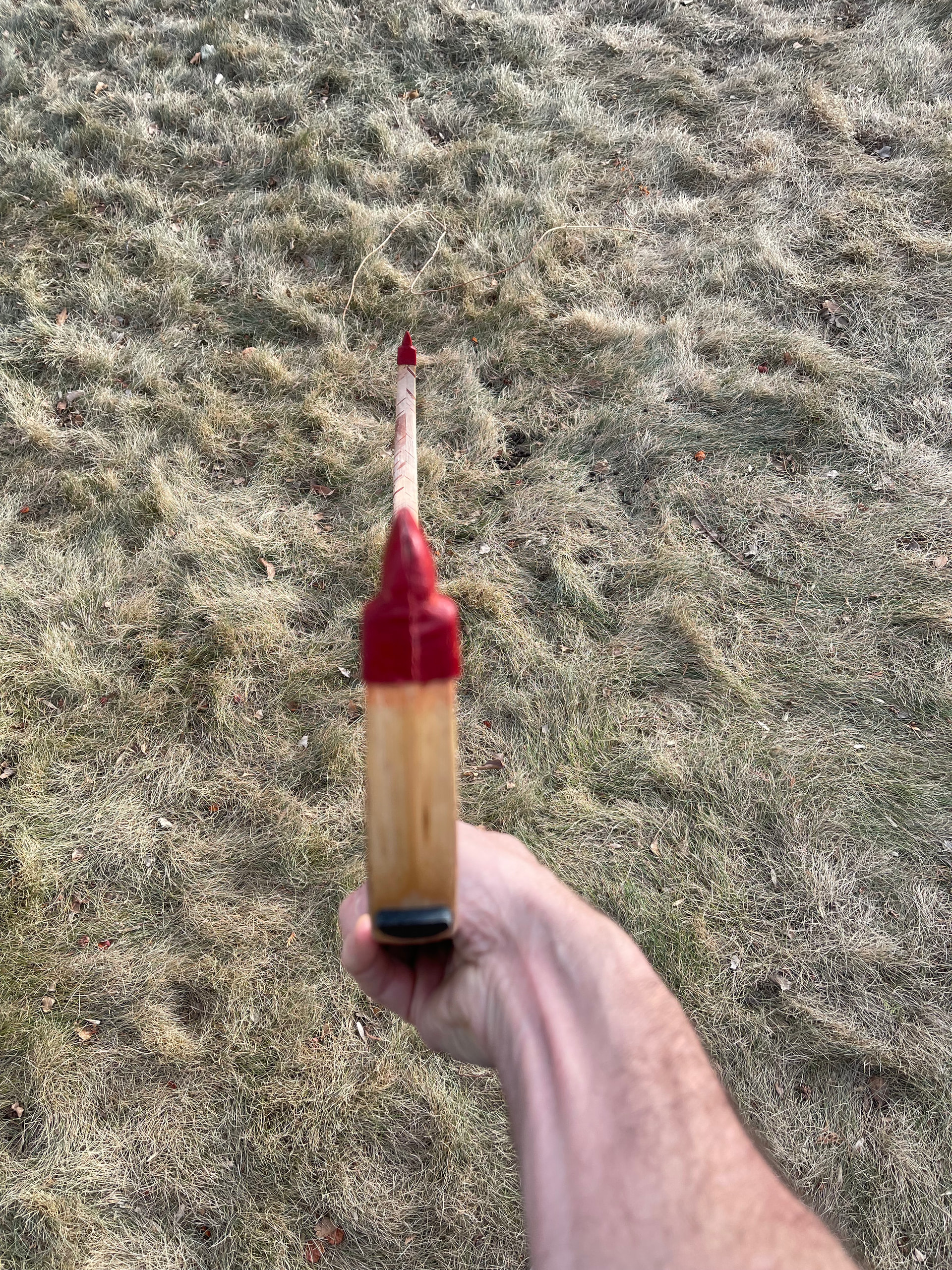
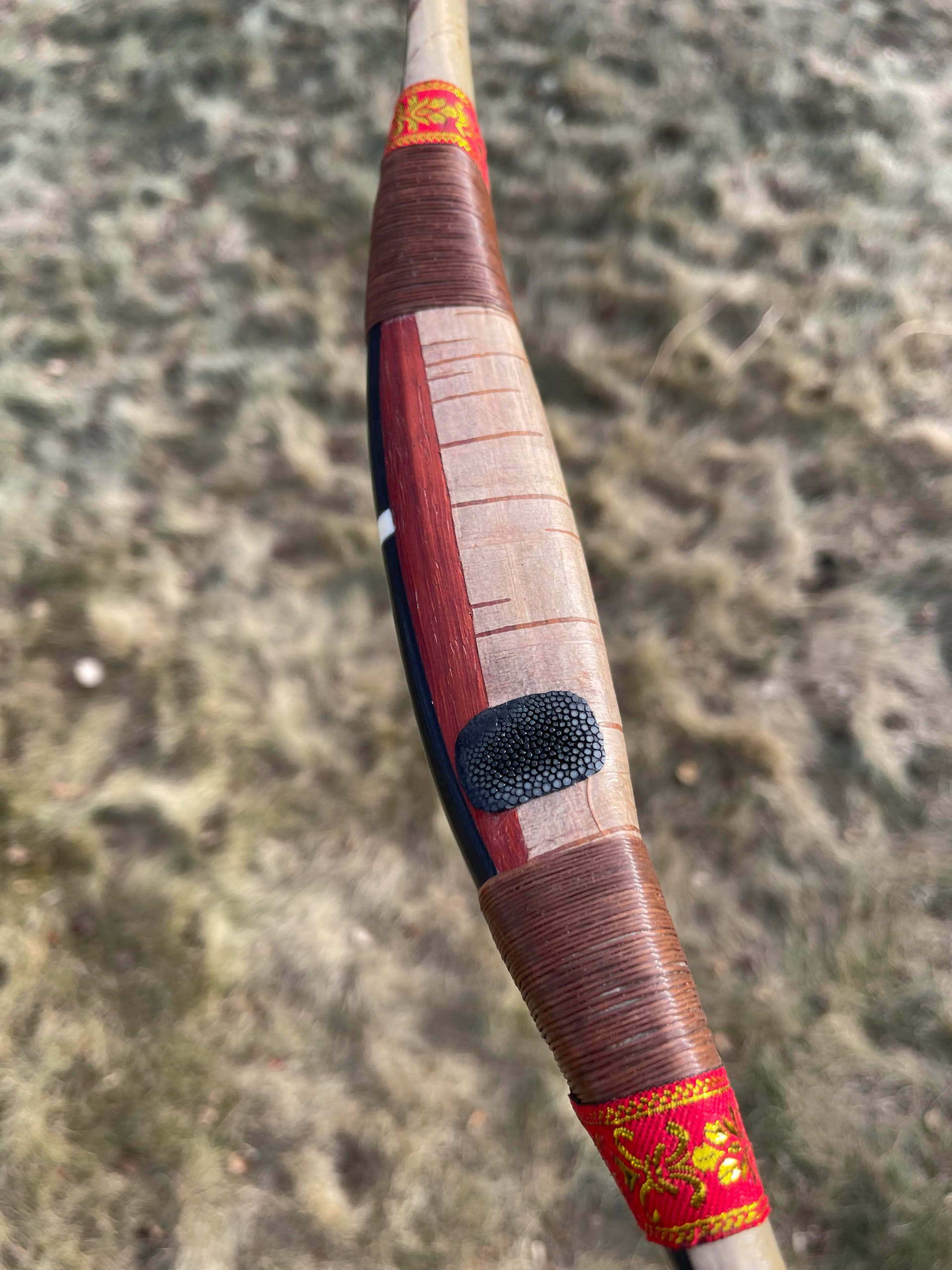
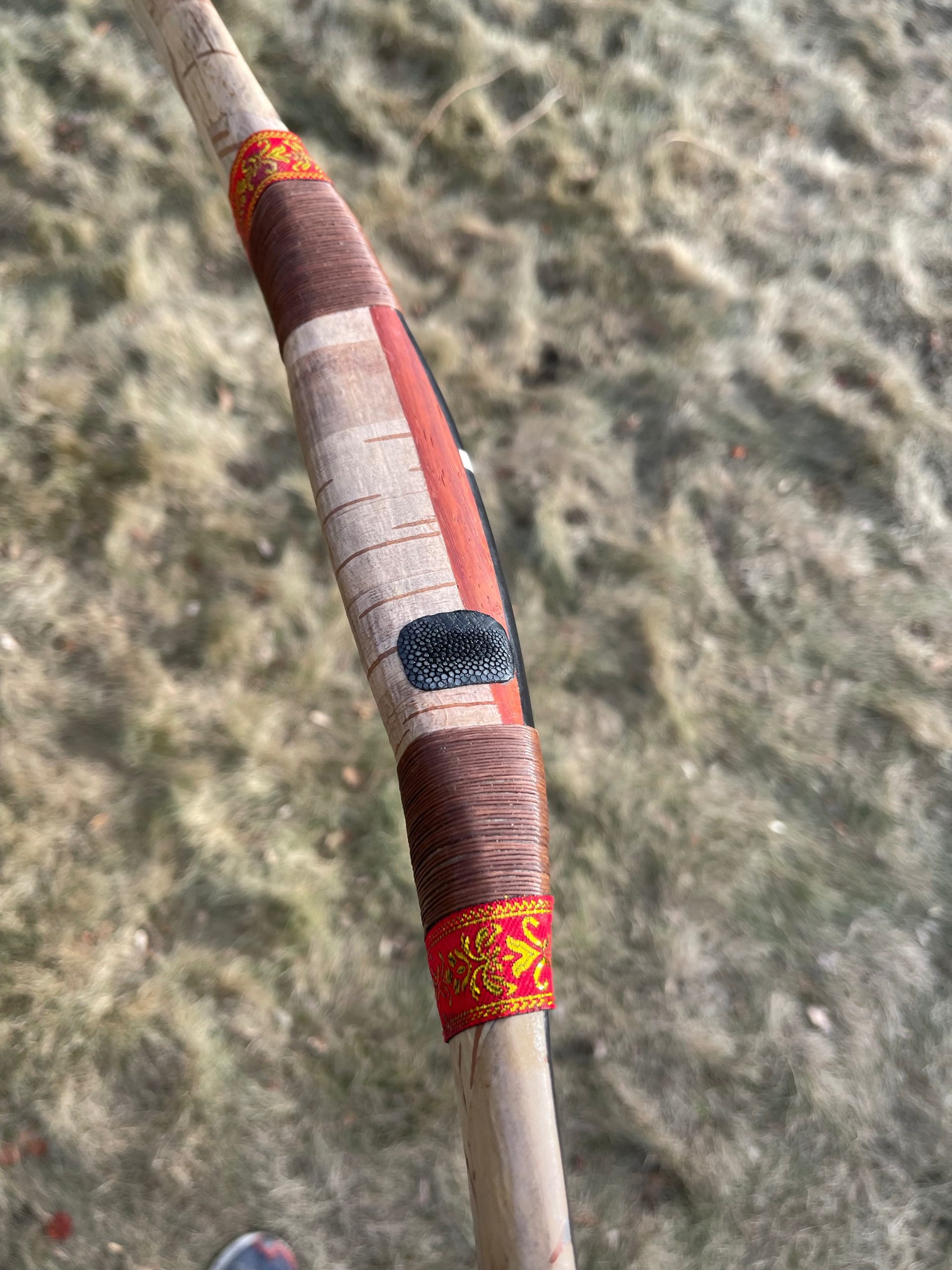
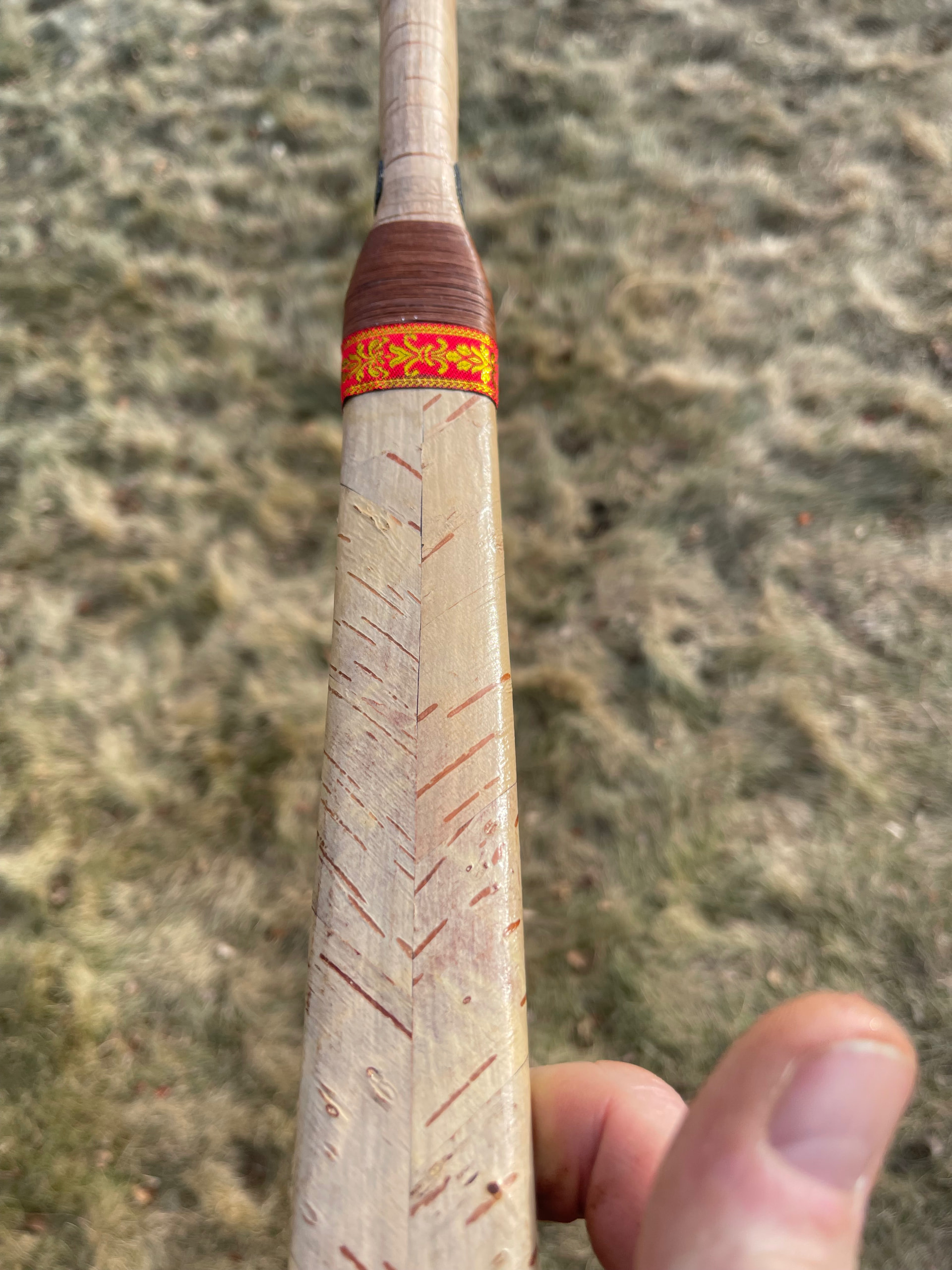
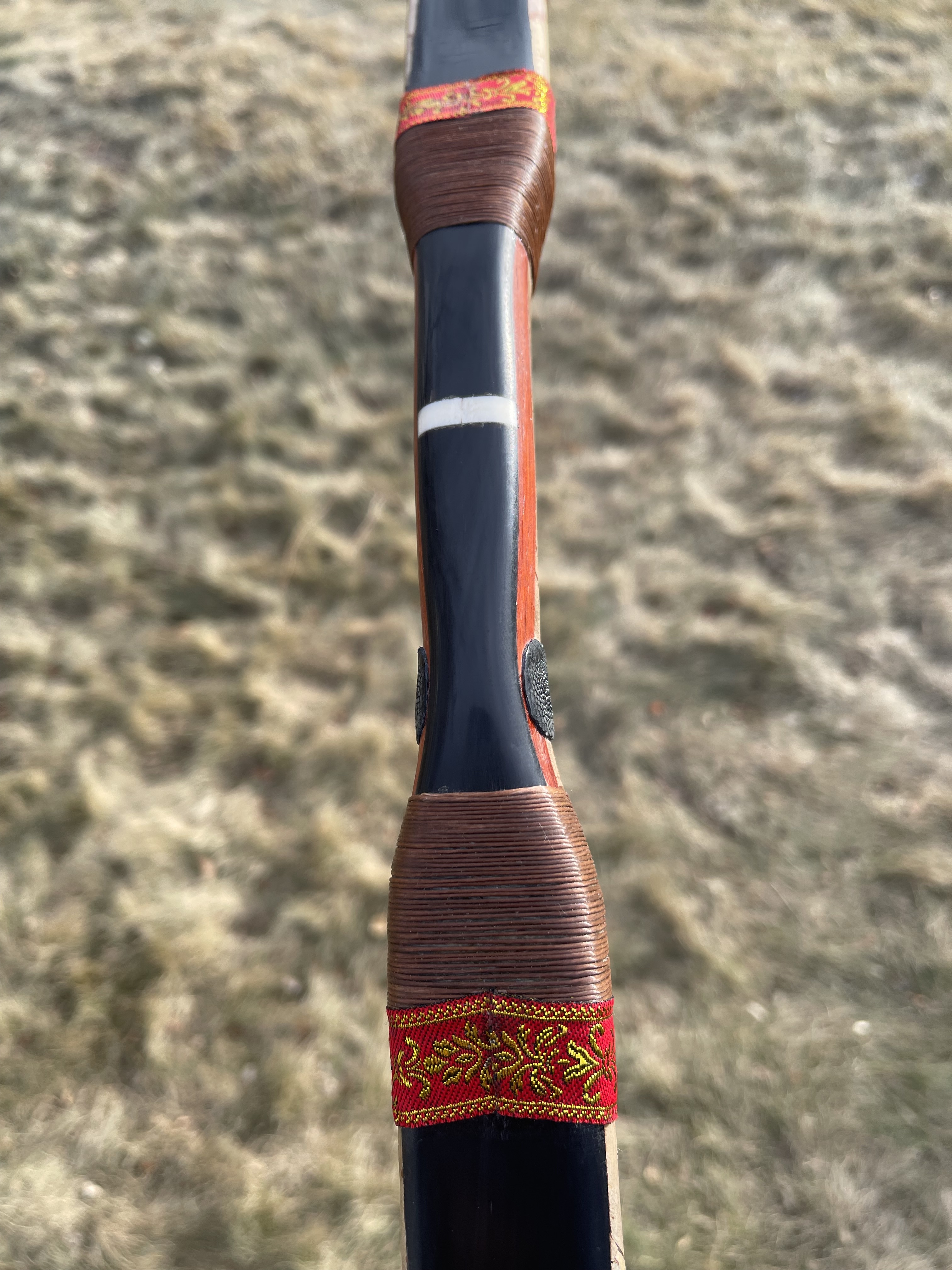
Very nice! Beautiful finish. And no birch bark is flaking off? 
So straight too!
Thanks man. Ya all good so far. I’ve still yet to make a final string for this one. I’ve ordered some white d97 to make a proper one. The test bending seems good. The glue I used was straight sturgeon glue I’m hoping will make it hold up and flex a little more without cracking. The real test will be shooting it. We shall see. I have been waiting on this bow before stringing due to adding moisture when I applied the bark.
How dry is it where you live? I have previously braced and shot bows that i have covered with birchbark or leather the very next day! But this is in Finland at 40-60% humidity.
Originally when i started hornbows i remember how in many discussion humidity and drying times was the biggest scare. But then i learned the thing that actually kills these bows is dryness, but in a bit less manner than selfbows. 20-30% humidity is danger territory.
In general working with hornbows is really flexible if one doesn’t live in the desert or in a cold place. We’ve had 18% humidity indoors now for almost 2 months. I wish we had the mediterranean 60% stable humidity. Hah. I guess i got carried away from the original topic but yeah.
Important thing for birch bark is that the sinew backing is made well. If sinew starts to crack, the bark will flake too. I think you have it under control when the bow is light too. 
Btw, do you happen to live close to Smith creek/Bonneville? I saw a clip of you making flight arrows. The usa flight shoots would be the best place to learn about it more. And connect with other bowyers/flight archers!
Ya it’s very dry here in Alberta. I didn’t think of that being a bigger issue. It may have been good that I didn’t rush to string this thing up then. Thanks for the heads up. I may have to wait till spring maybe. Or take it into the shower with me lol. I was planning to go to both the smith creek shoot and the bonneville shoot. I haven’t been able to find a link for dates yet I guess they haven’t set them yet? My flight arrows are some spruce shafts and some split cane arrows. I was gonna use goat parchment as my fletchings.
Cool! I will be travelling with my wife to the competitions too this year. If i remember correctly, smith creek is aug 21.-23. and bonneville 28.-30. These have been the dates before at least.
I recommend to try paper with lacquer coating. Its much easier to keep straight. I found parchment hard to handle when its easy to stretch and react to moisture. However, Adam uses parchment still - i just don’t know how does he manage it…
If you shoot the arrow off your hand, some khatra or really good release is needed in order to keep the fletches from breaking or hand being cut. I can borrow you a siper if you want to try with that. With siper, 24” is best used. In any case, there is no better than a split cane arrow with stiff fletching, hah!
I store my bows in a box. There i have a small cup of water and humidity meter. Sometimes i’ve had drying cracks which i want to prevent this time.
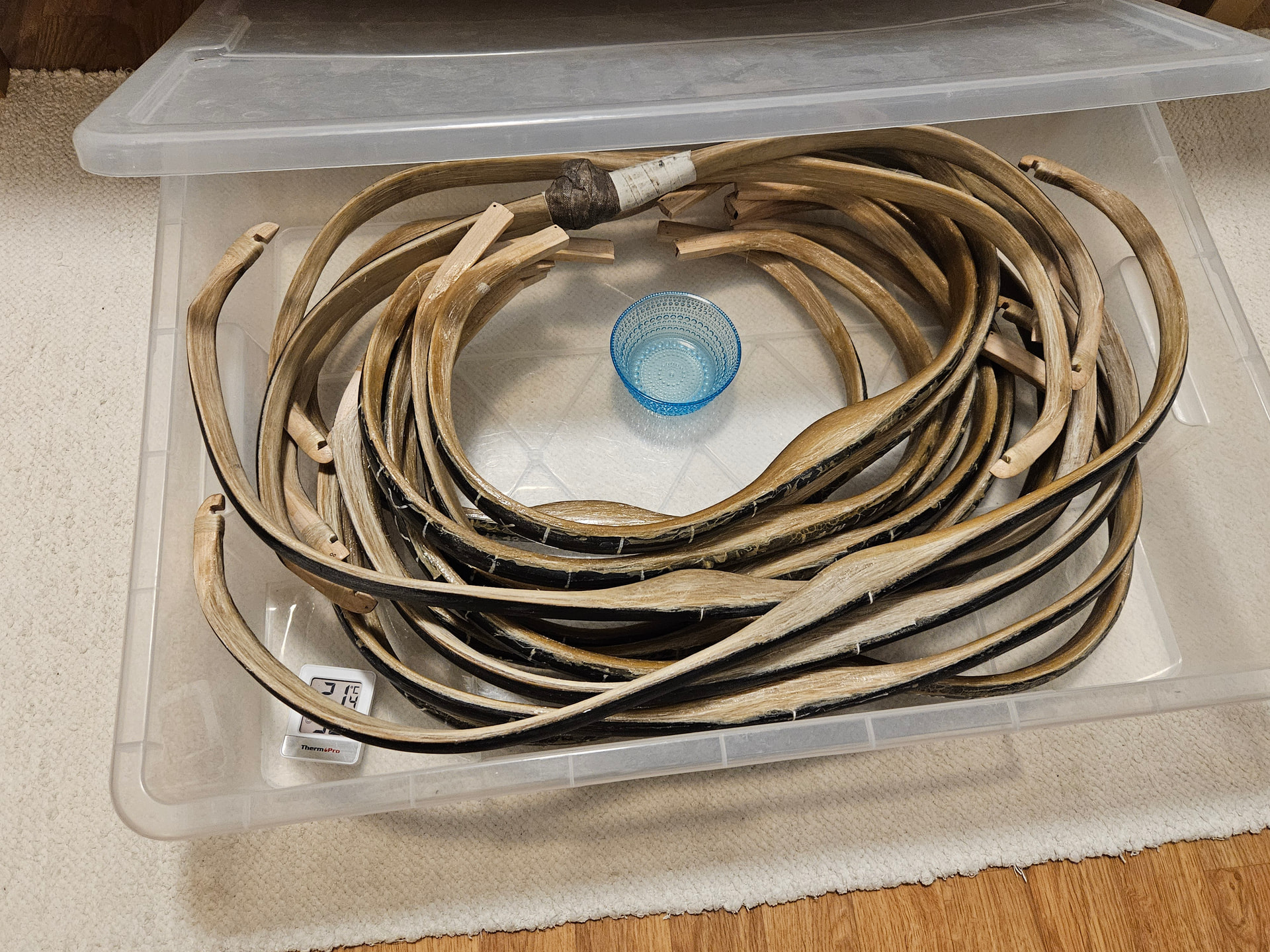
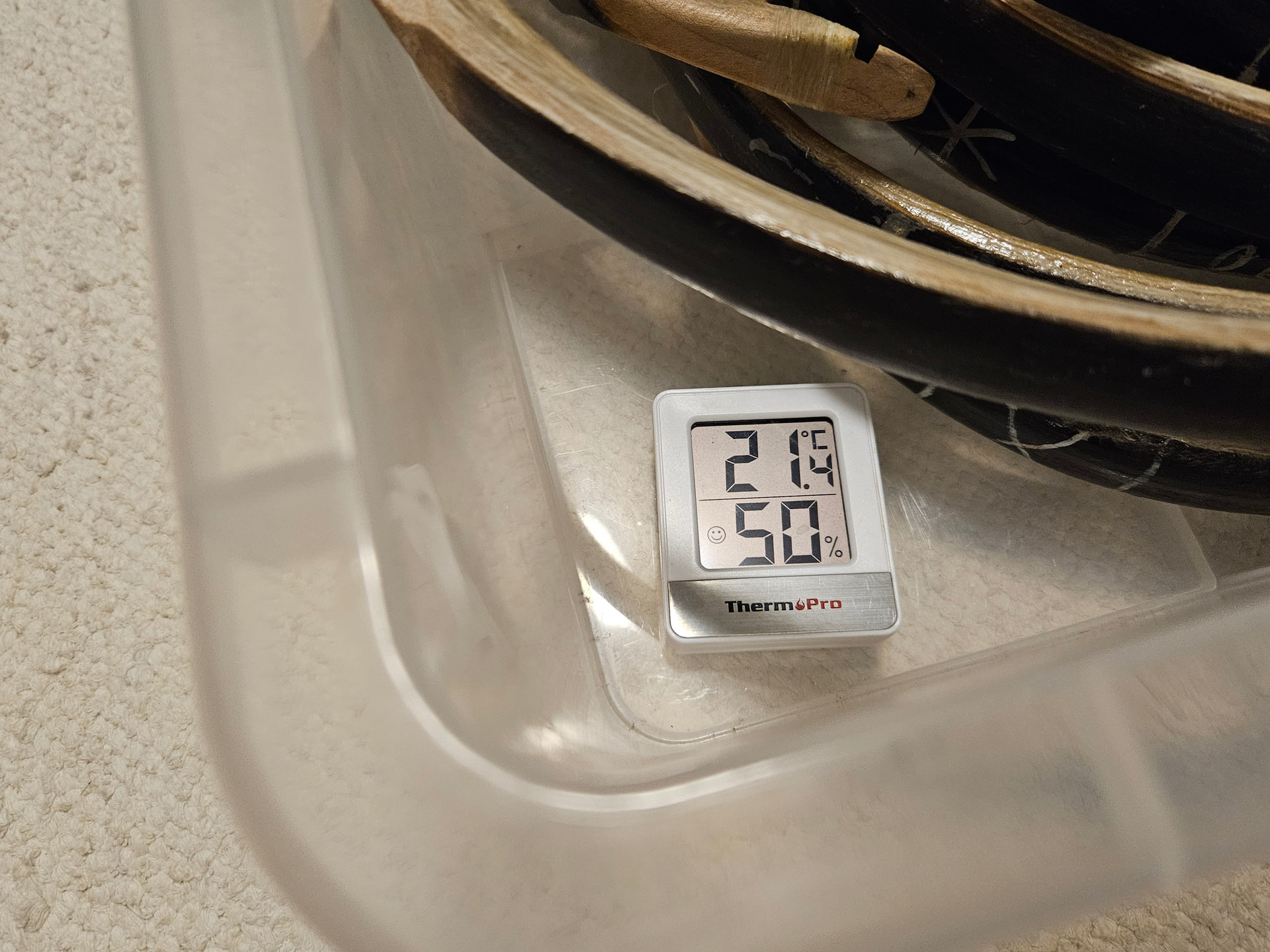
I like that idea with the tote and cup of water and the meter too. I’m gona do that I think. The day that I test shot my Korean style bow it was a very hot humid day so it bent and balanced nicely then. In Alberta here it’s quite dry. I find that I have to wrap my sinew to keep from drying too fast. lol. I burnished my top layer on my Turkish style bows after about a week or so after to help compress it good in case it dried too fast on very top layer. We will see if that was a good idea or not. I’m hoping my Turkish bows will be good to go for august. I’ll pick a nice hot day and use your idea with moisture tote before I get bending them.
As for the smith creek and salt flats it hasn’t been posted yet officially but this is what I got from Allen case who sets it up. USA archery site will put out official registration stuff soon but for now here are the dates I got from Allen.
“The first is at the Smith Creek Dry Lake, near Austin, Nevada. Saturday, August 29th through Monday, August 31st.
The second is held at the Bonneville Salt Flats, near Wendover, Utah, Friday September 4th through Sunday, September 6th.”
You have freely given of your time and talents! It’s much appreciated. It will be cool to meet you there and see your bows in action!
I’d love to try the siper. I’m sure there will be a learning curve to using it. I’ve been working a bit on my thumb release too so hopefully at least good enough by August to get an arrow to launch.
I wouldn’t be surprised of that! Afterall, areas where hornbows were developed were much more humid. Bow storage places have also considerably changed with the modern housing. So even if it was sometimes dry in the steppes, people would be living close to ground with less insulation and humidity prevention. This is of course only my personal understanding of the subject.
Ottomans stored bows in caves! There it was stable humidity even in the winter.
Thank you for the accurate dates. We are already planning the route and trip length.
My pleasure. The other old timers have shared also, so i think its my obligation.
Good. The only difference to siper is that there is absolutely no contact to the arrow with draw fingers. Because the siper groove guides the arrow during draw. Therefore thumbring must be a bit lower on the string than normally. This makes the release cleaner.
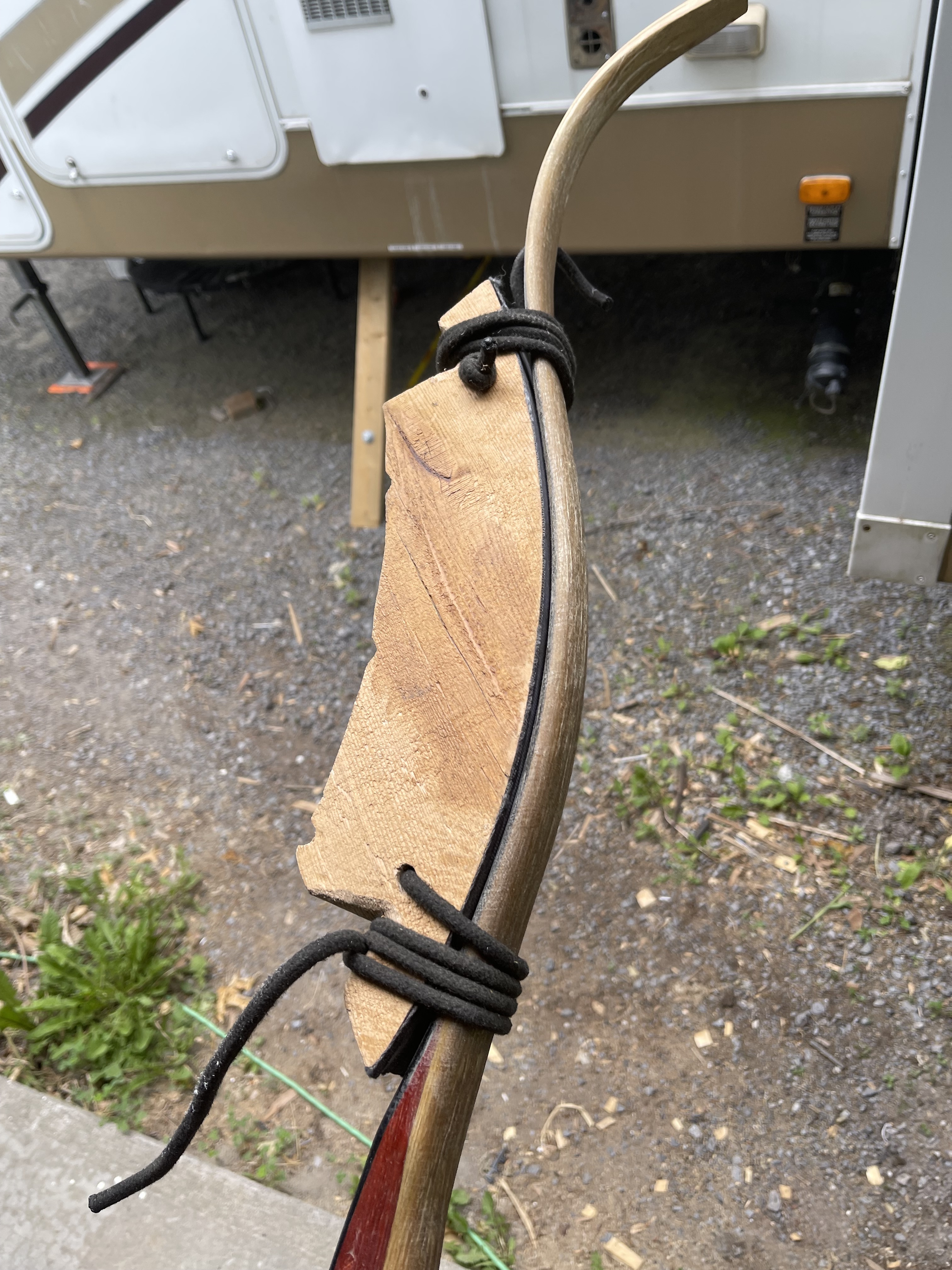
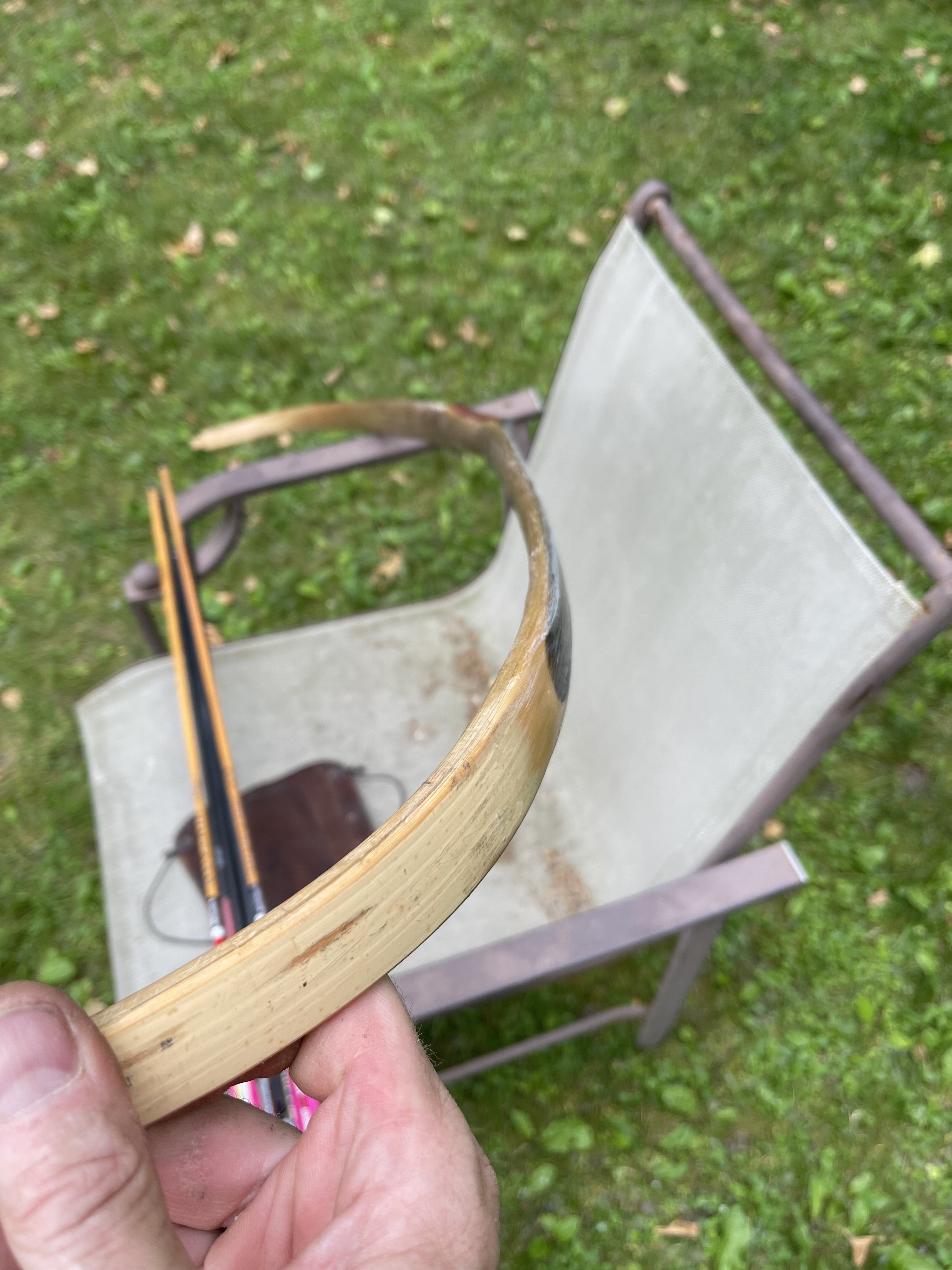
Soooo, some unfortunate news about this Korean bow. It developed a crack on the bottom limb outer third on the left side. I had braced this bow earlier today just fine with an old string. Test pulled a bit to about 26” or so and then decided to make a proper endless loop string for it. About an hour later I go to restring it again using my press and again all looked fine till I noticed a tiny ripple on the spot then it cracked. I knew there was a crack at this spot when worked down the horn on that limb. It was slight and at the very edge. I guess it finally gave way and popped here. I had hoped that soaking it with glue and wrapping around this area with a little sinew. It didn’t work. I posted a few pictures of this crack earlier on in the build and worried it could be a problem. Turns out I was right unfortunately. So is this bow done or is it fixable??? I’m on the fence about what to do and if I should try and replace this limbs horn with a new slat. It will be a big job. I may get after it once I find a similar suitable slat of horn that has no cracks.
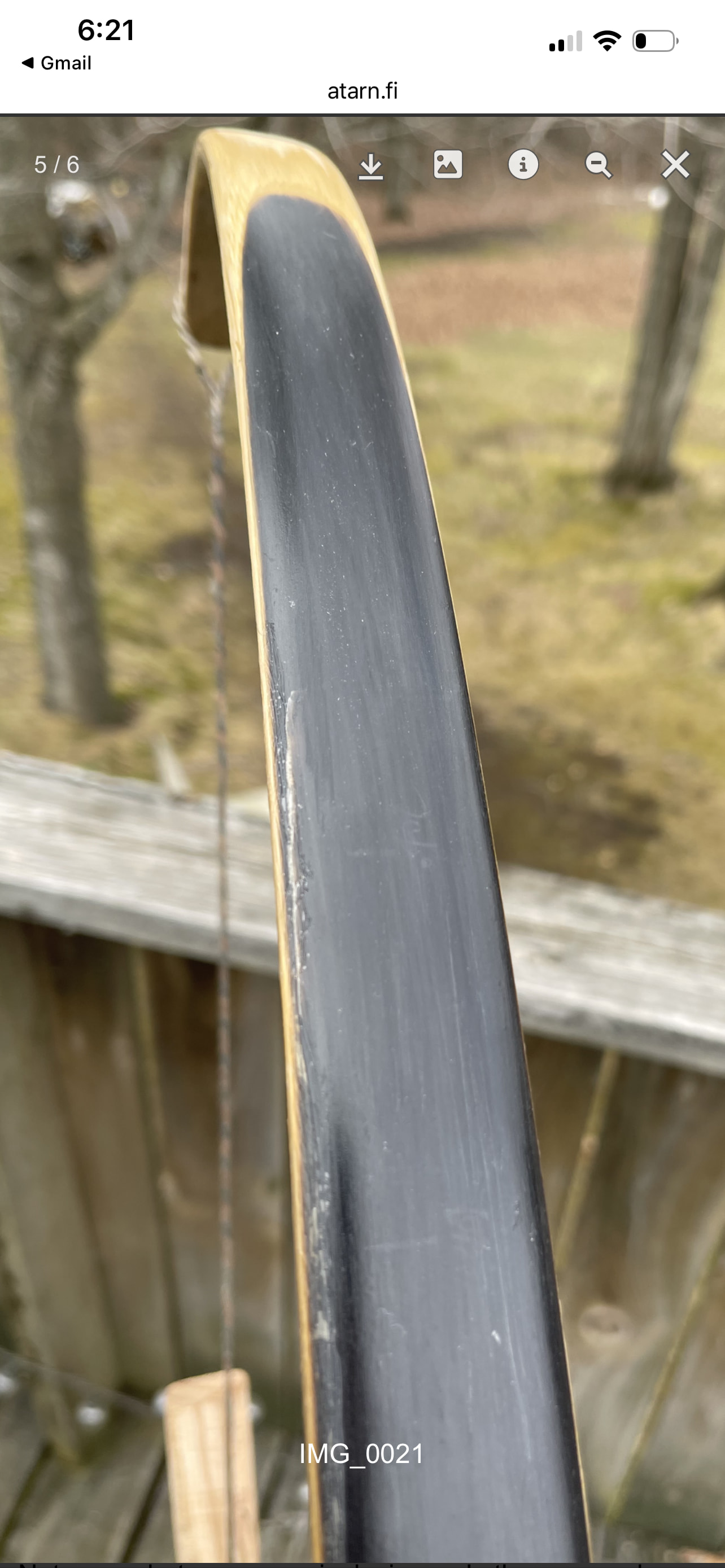
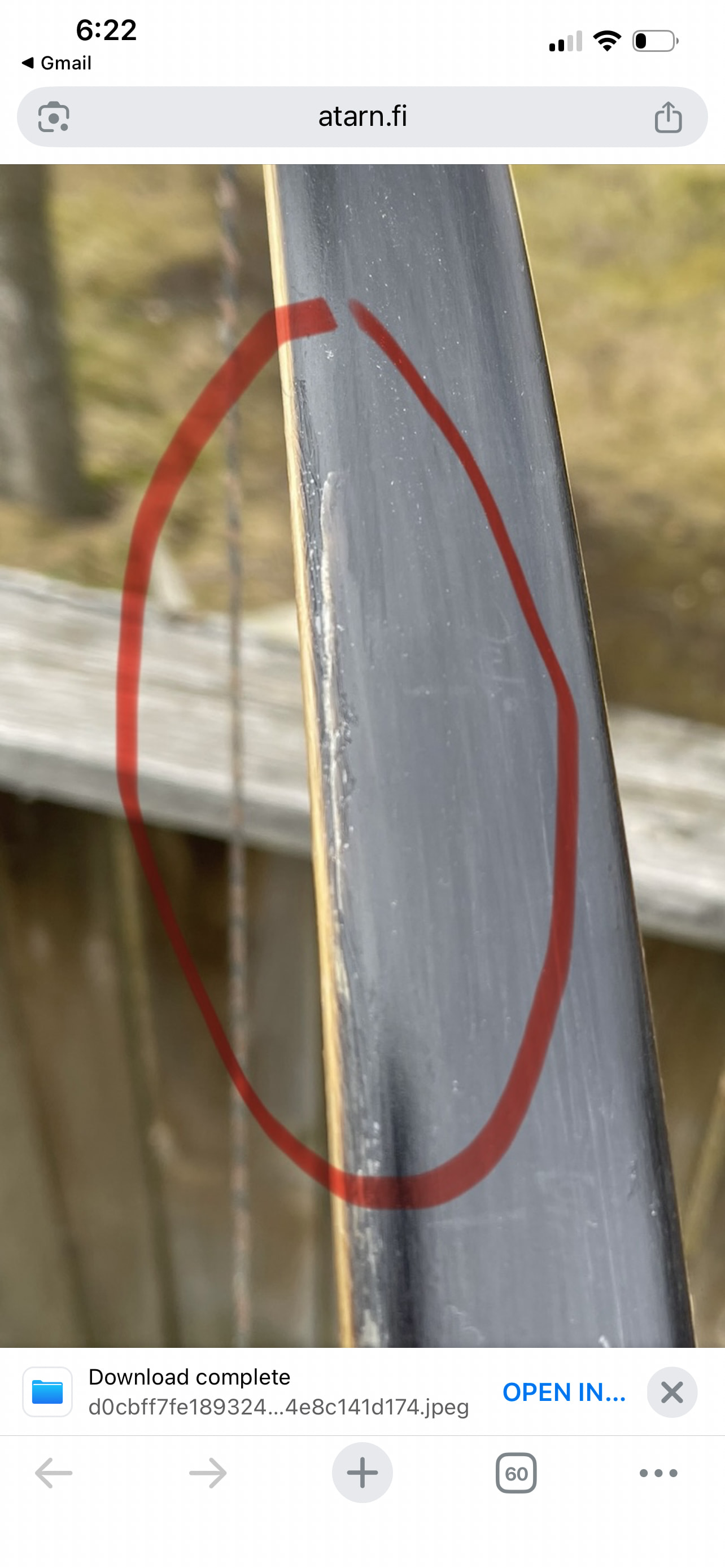
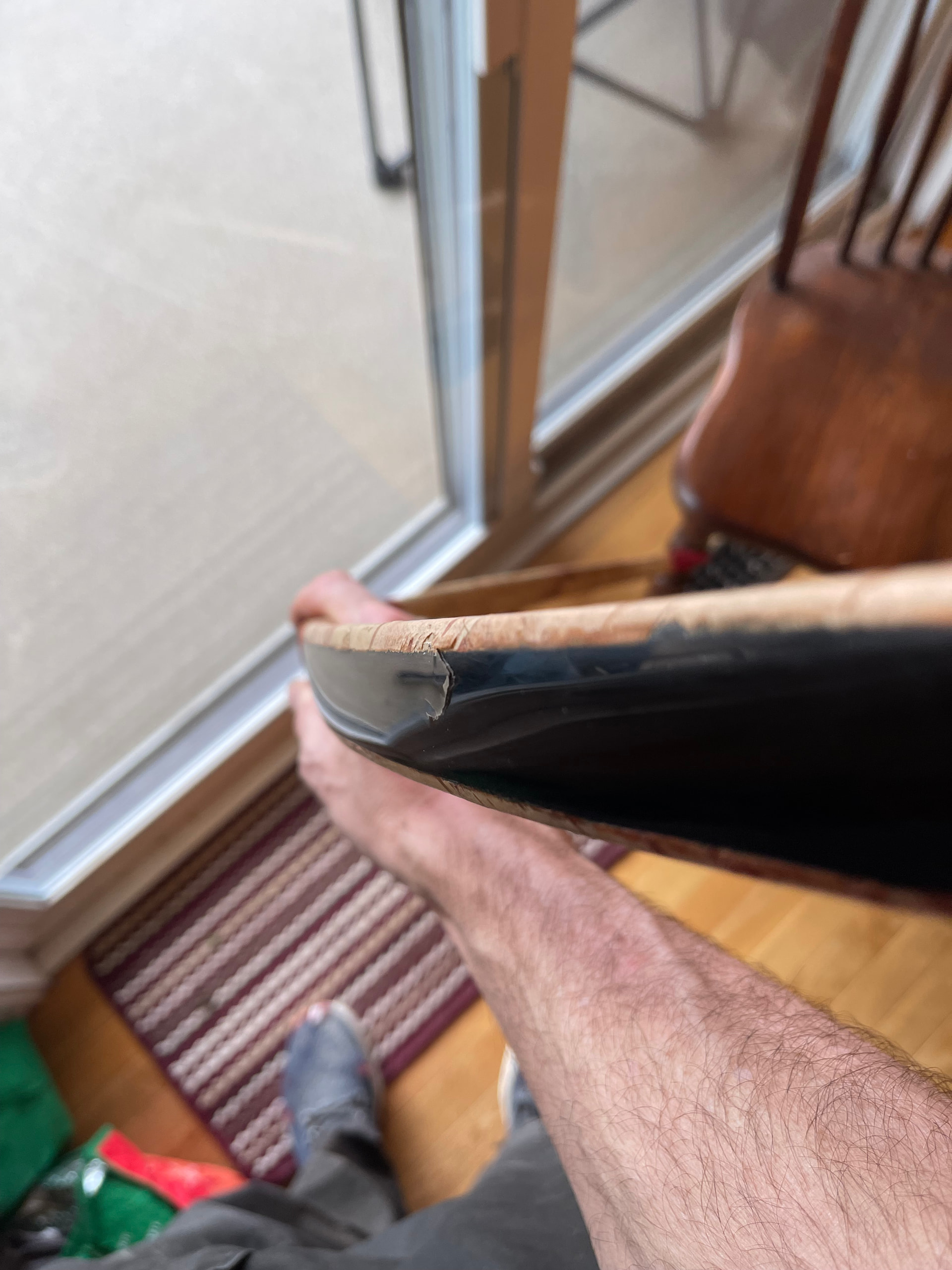
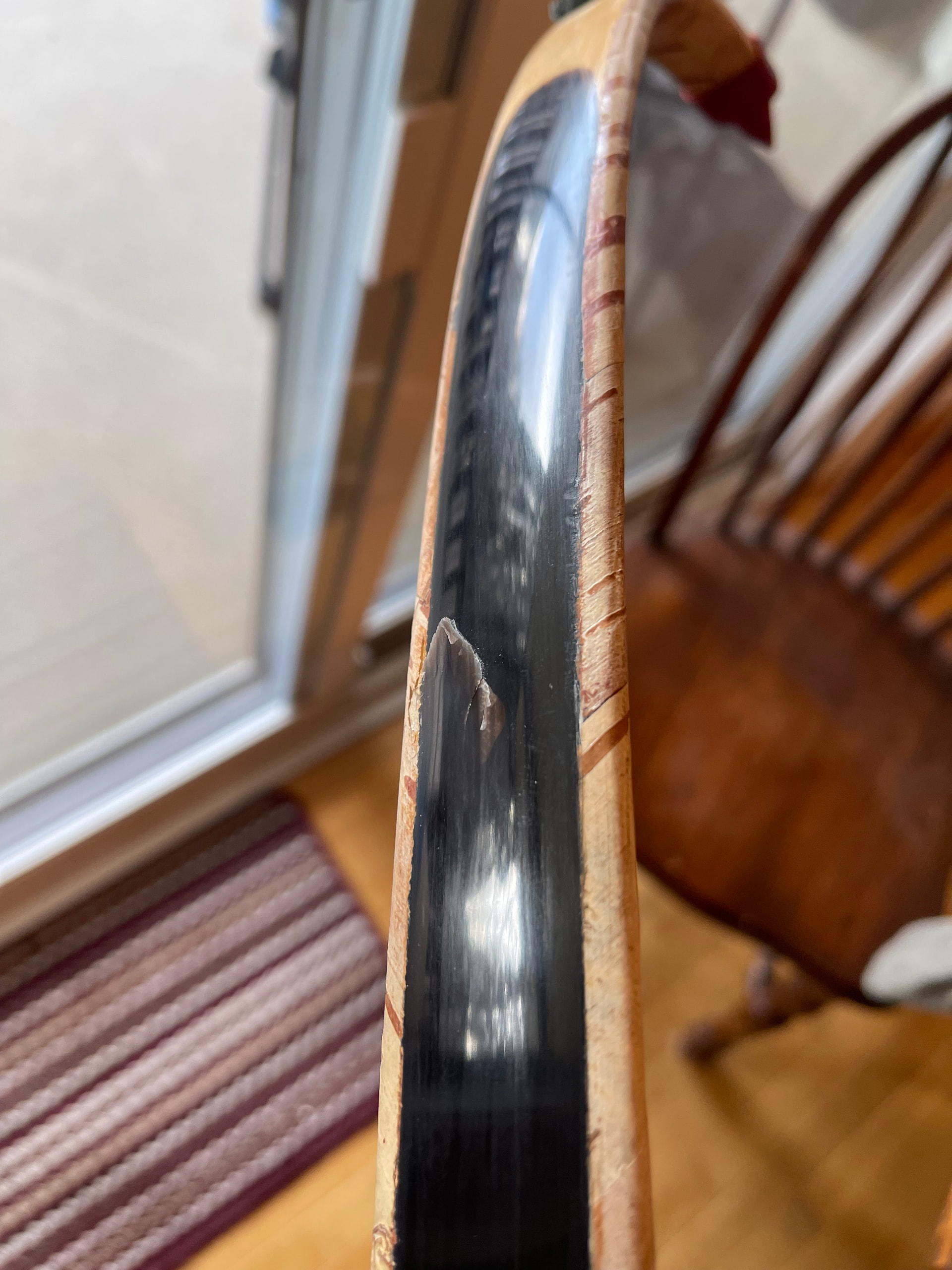
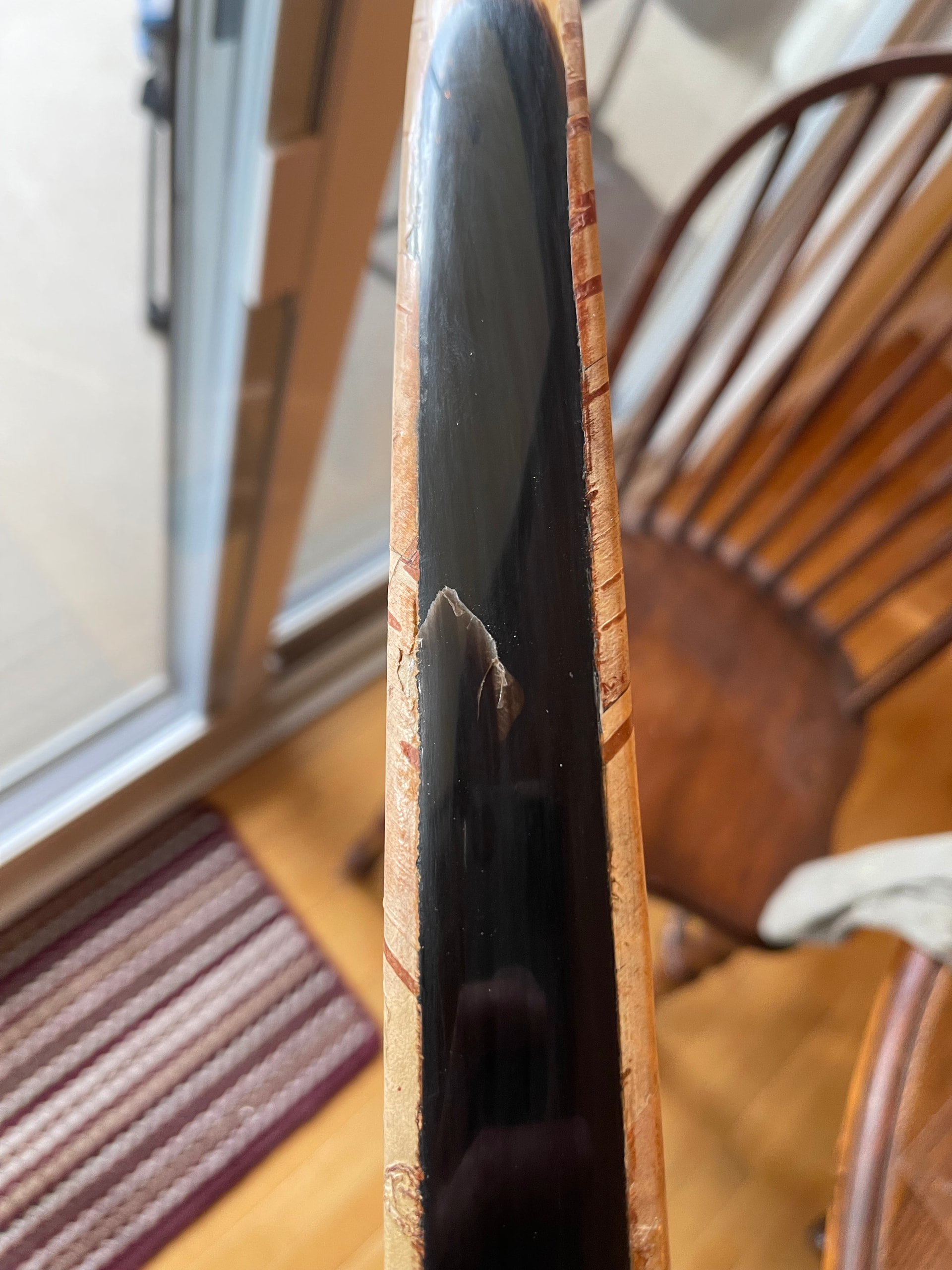
Ouch, bad luck…
These are very hard to judge. In general of course its risky to use a horn that has cracks. However sometimes they might be very thin and therefore only cosmetic.
Replacing the horn isn’t that hard as you think. You already had the bow basically tillered and after you replace the horn its easy to copy thickness from the other limb etc.
I recommend to rasp the horn away, then glue a new one and try to let the limb set/dry in similar shape as the wood core originally had. This will make your tiller match easily.
I can’t but think these issues happen with the big humidity fluctuation, because I also have similiar problems with horns cracking. Even mid seasoning/opening the bow. In Finland its totally normal for humidity to swing 20%-70% throughout the year. As many times stated, hah!!
I haven’t heard people having issues of this sort in the more humid climates…
When humidity goes low, hide glue and sinew contracts a lot! I have couple ideas about it:
-
Sinew contracting makes the sinew rip/delaminate itself from wood
-
If sinew-wood glueline is well made, sinew contracting will sometimes make wood-horn glueline crack/delaminate
-
If sinew- wood glueline and wood-horn glueline is well made, sinew contracting makes the horn split (sinew contracting turns back into more concave → stress on the hornbelly)
These are all pretty bad scenarios! And i think those people who make the bows in stable, humid areas (close to sea) don’t know half of the problem the dryness gives us!
So in total, humidity control seems to be very very important. I hope i got to save my recent batch of bows, but next generation will be drying in “artificial environment” with some kind of humidor closet of sort.
Yes. I agree with what you’ve said. I think this one may have been doomed due to the crack that I knew was there from the start. I went against my better judgement and decided to proceed anyway. The dryness Likely didn’t help either. I get my humidity in the house the last month or so around 50%. I’m already filing down the horn this morning and having a post mortem. It seems that it’s just surface crack delaminate within the section outer layer of the horn. So it may be that I can just lighten up the bow and scrape for say a 50lb instead of 70lb. Or I just rasp it all off and replace it. I’ll know better when I do more here. You can see the little dip in the horn as I worked it down some. Still a little more to go. Thanks for the insight and wisdom.
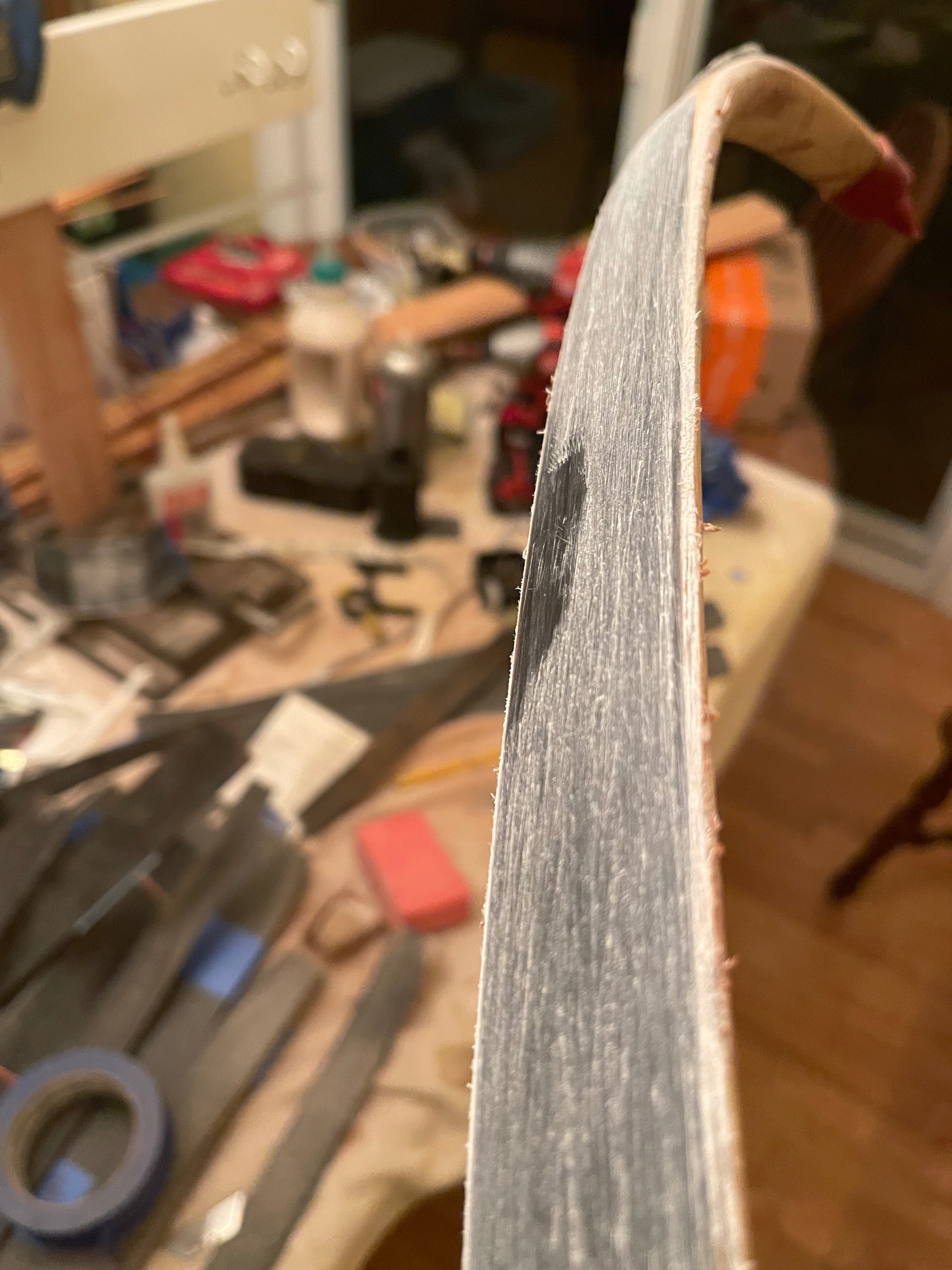
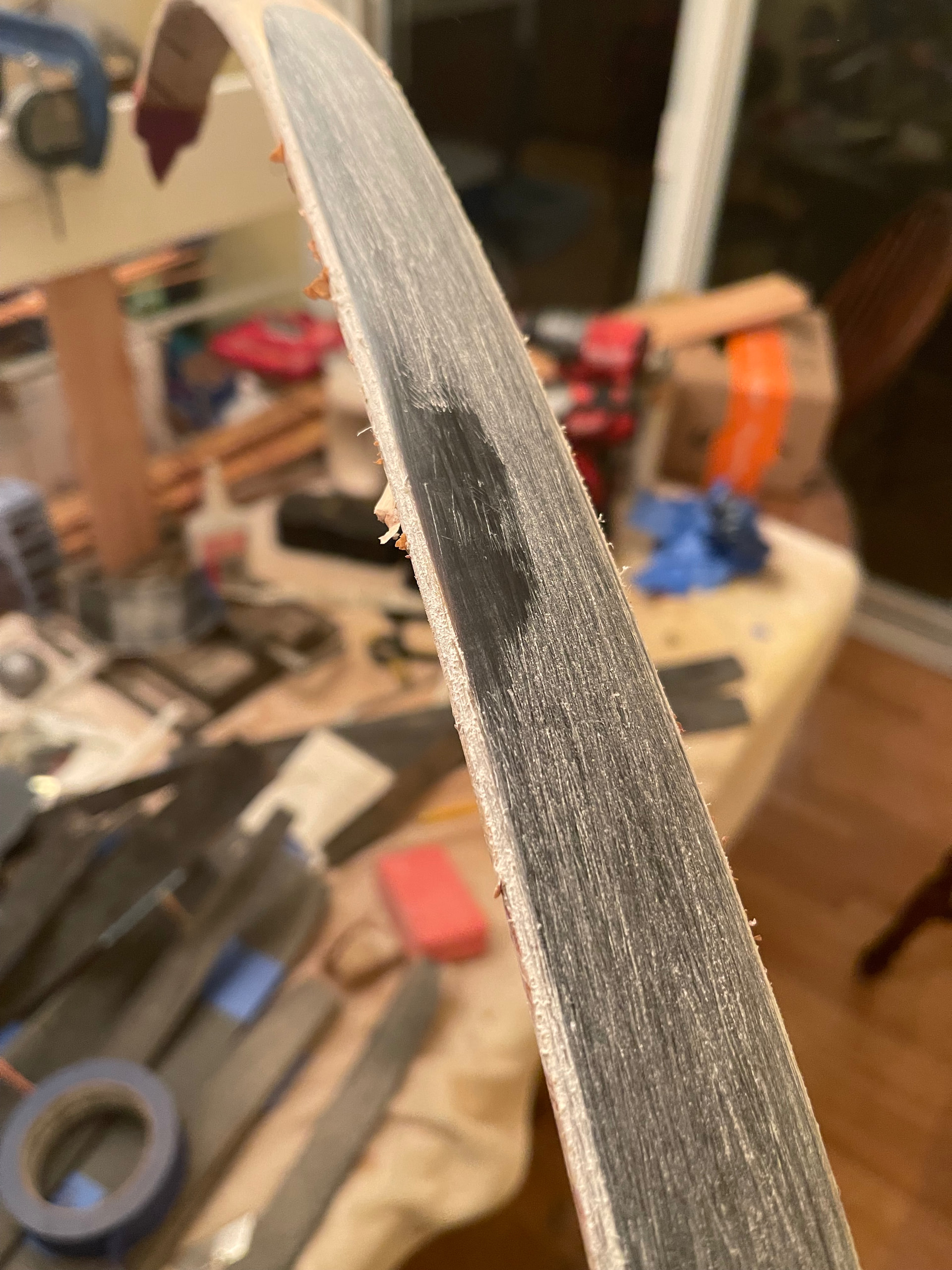
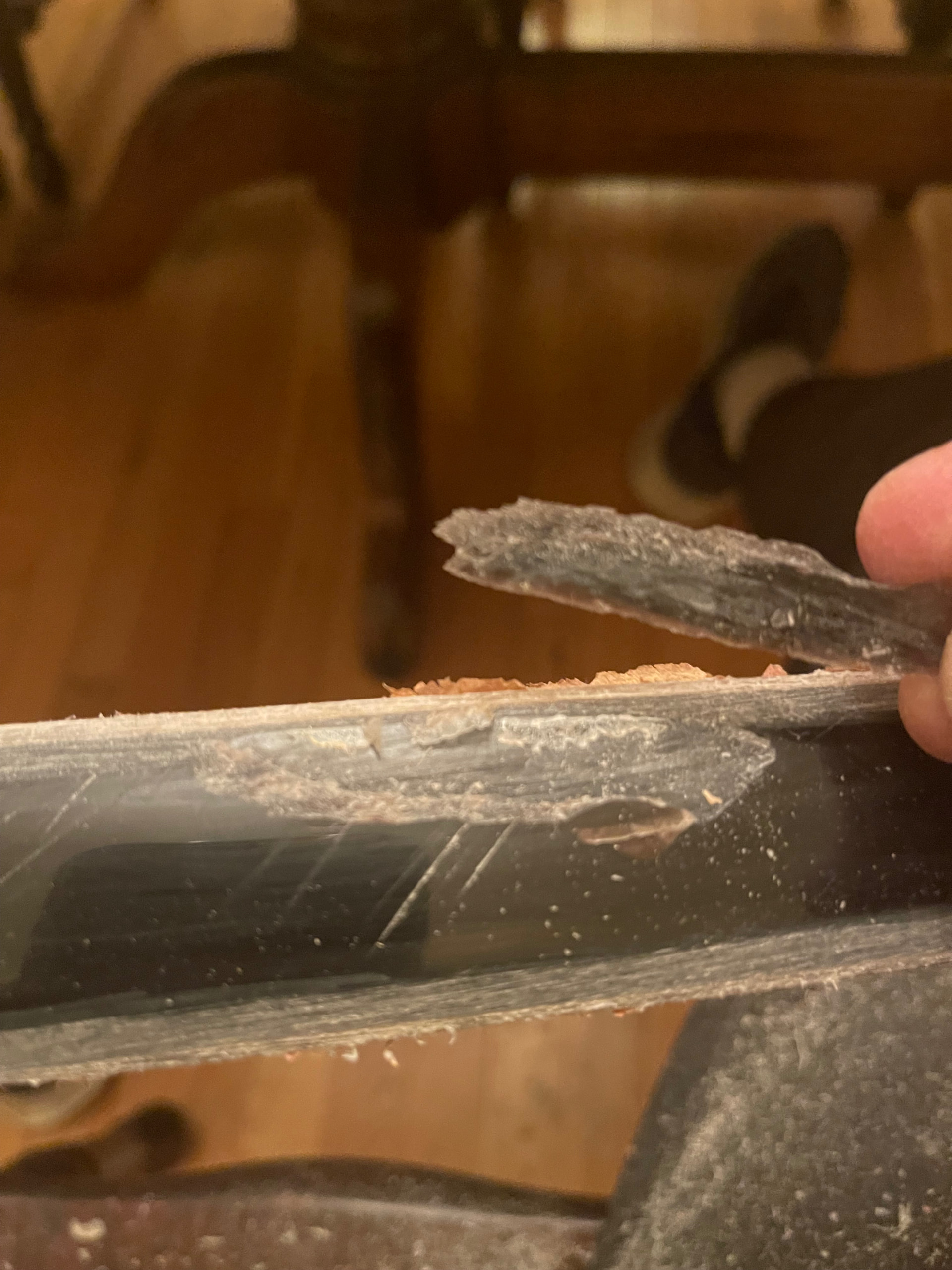
1 Like
Thats better. In some bows i’ve seen patches made to the horn. Scooping a part out and gluing a horn on top of it. Then sinew wrapping. Its not pretty or strong method. 
In one bow i had a crack happen mid kasan. So i just shaved off the horn there and glued a overlapping horn there. I secured it with a sinew wrapping which i actually ended up discarding because it wasn’t necessary. The joint held perfectly when the kasan was semi-rigid. It would be a different thing to do such fix on a working limb, like mentioned.