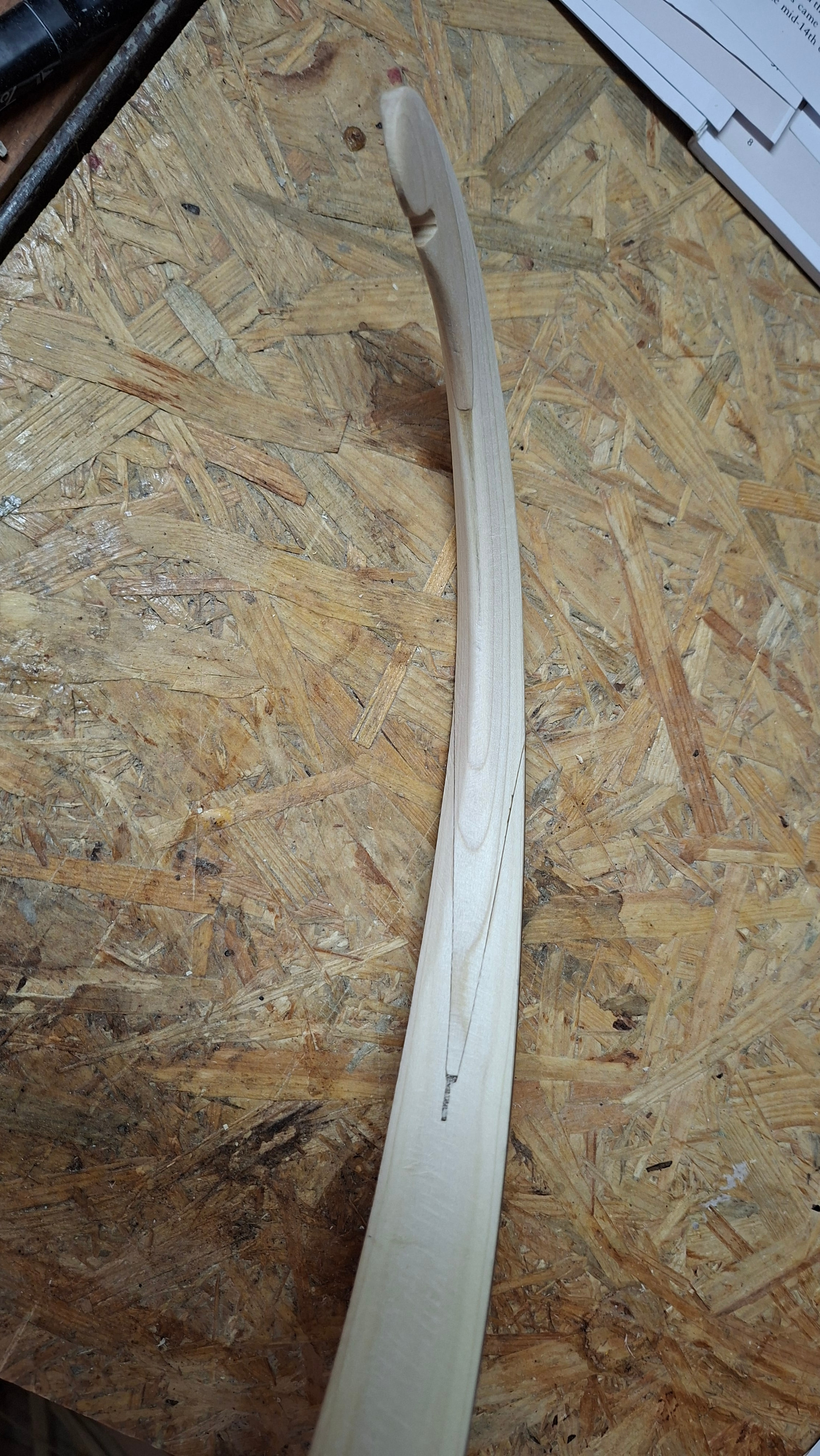
Hi everyone, I’d like to share my process of building a Mamluk bow.
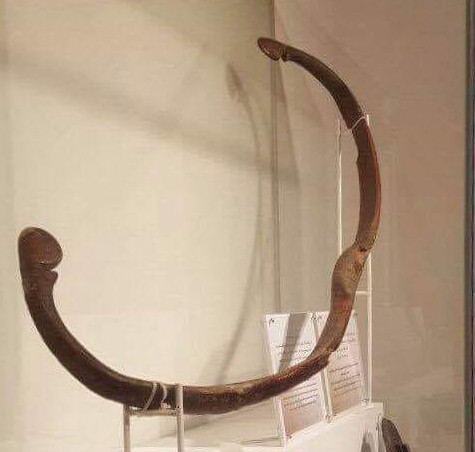
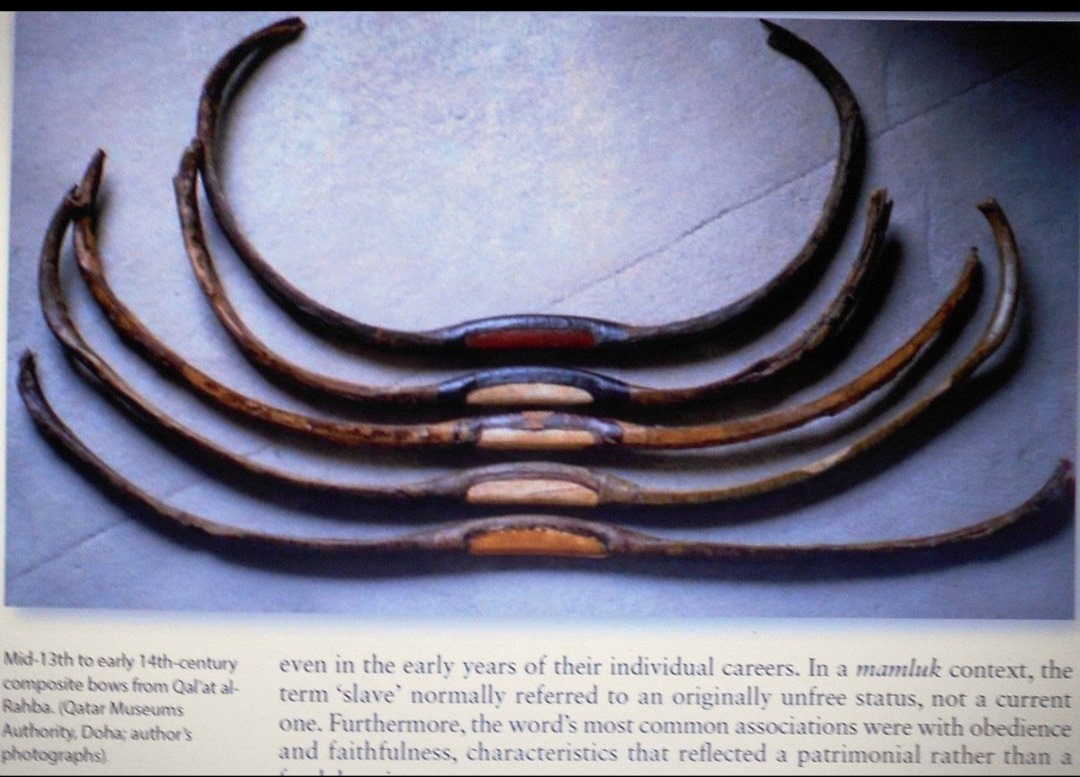
It’s based on findings from the Citadel of al-Rahba. I don’t know the exact dimensions of these historical bows, but Taybugha’s description of the Damascene bow is something close in proportions: 6-inch siyah, 16-inch limbs, and a 5-inch grip — 49.5 inches in total length.
I’m planning to make mine 48 inches nock-to-nock and about 60 pounds.
100% natural materials.
I know he is just shooting the bow in at the moment but…
For me watch the lower limb while being drawn.It does not draw as far as the top limb IMO.Could be the way he’s holding the bow but I think not.
I would of liked to have seen the arrows fly to a target and speed recorded also,but what the heck it’s only a video.
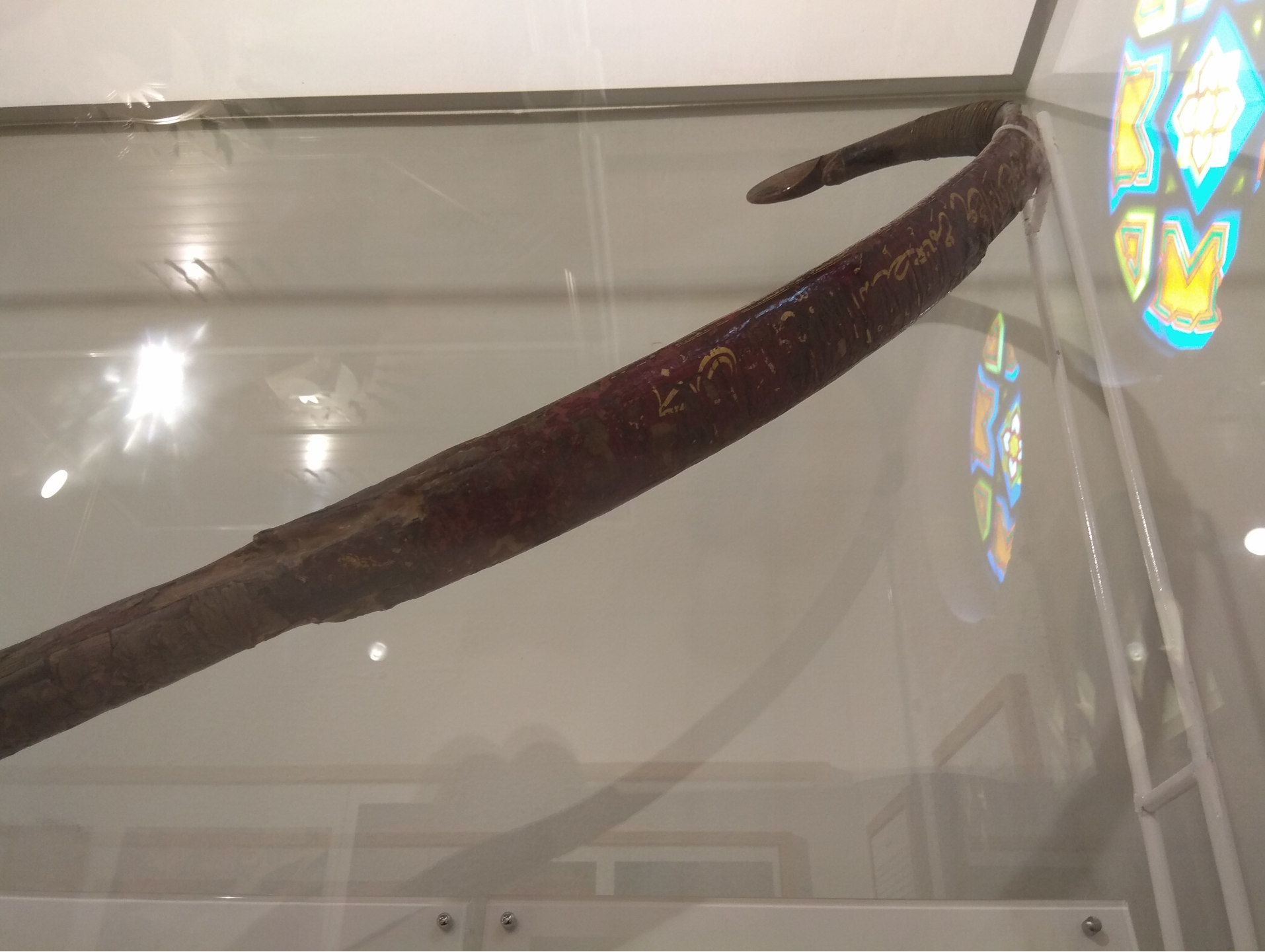
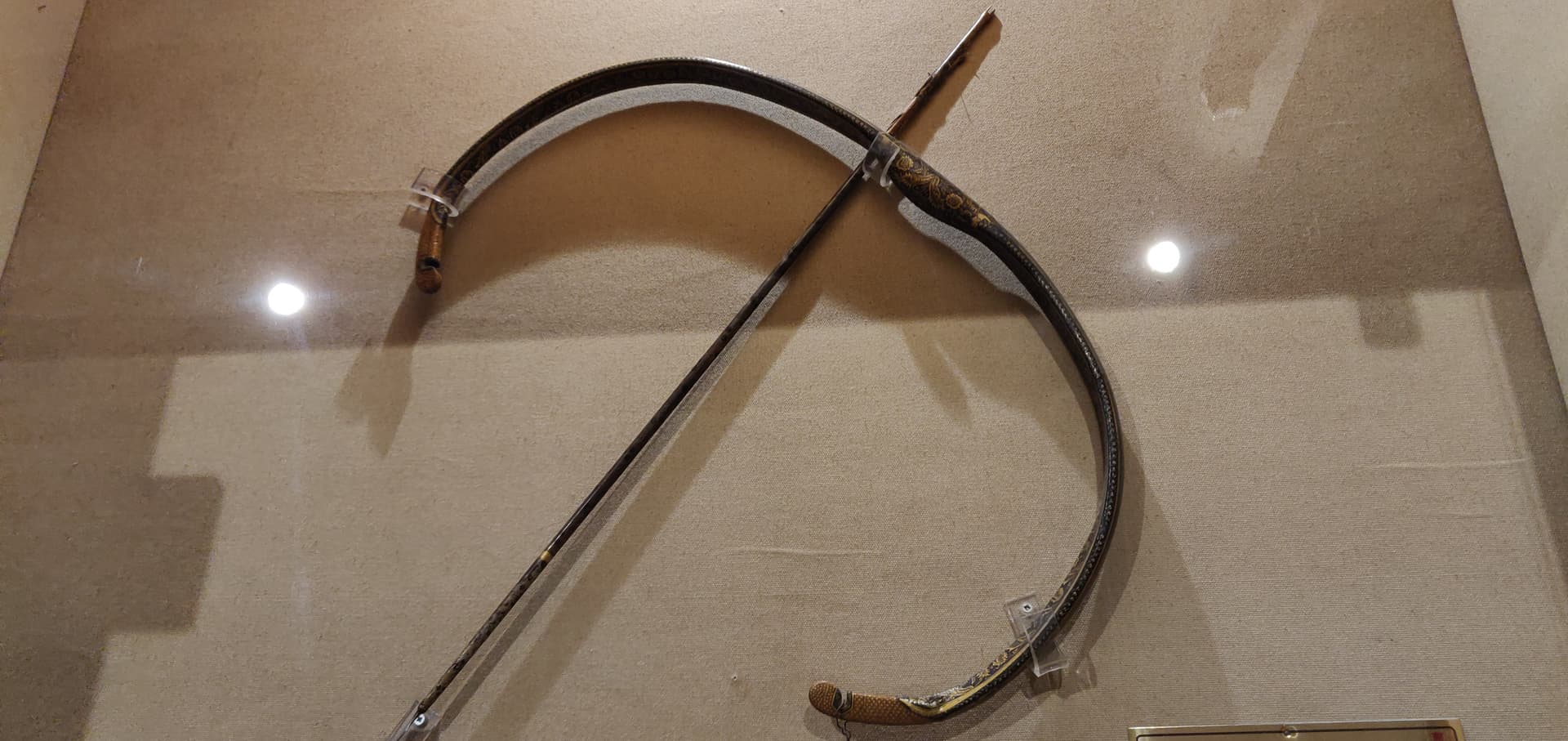
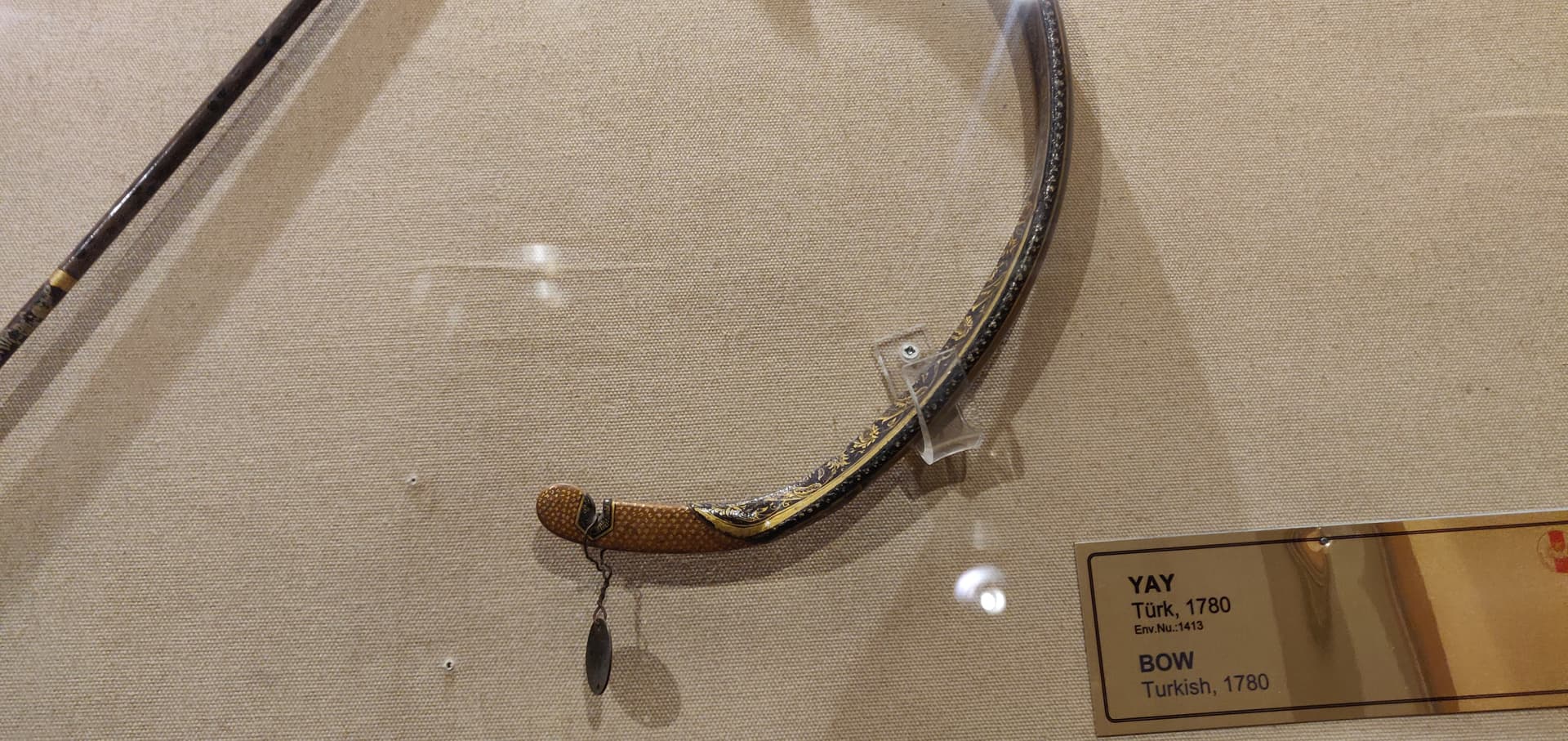
Welcome back! Its a cool project. I like the mamluk tip shape. There is one really cool mamluk bow in istanbul military museum that i’ve seen many times.
One thing i dislike is the tip angle… Turkish bows are so good in every sense and i always compare the shapes to turks! Bad habit.
But yeah, mamluk bow will stack earlier than turkish. Just make a longer bow then?
I discussed about this bow with Adam Karpowicz in Istanbul just recently. He said that no, this is just a turkish bow with different tip shape. I think he is right, since the bow is exactly like other ottoman bows, only difference is the rounded tip.
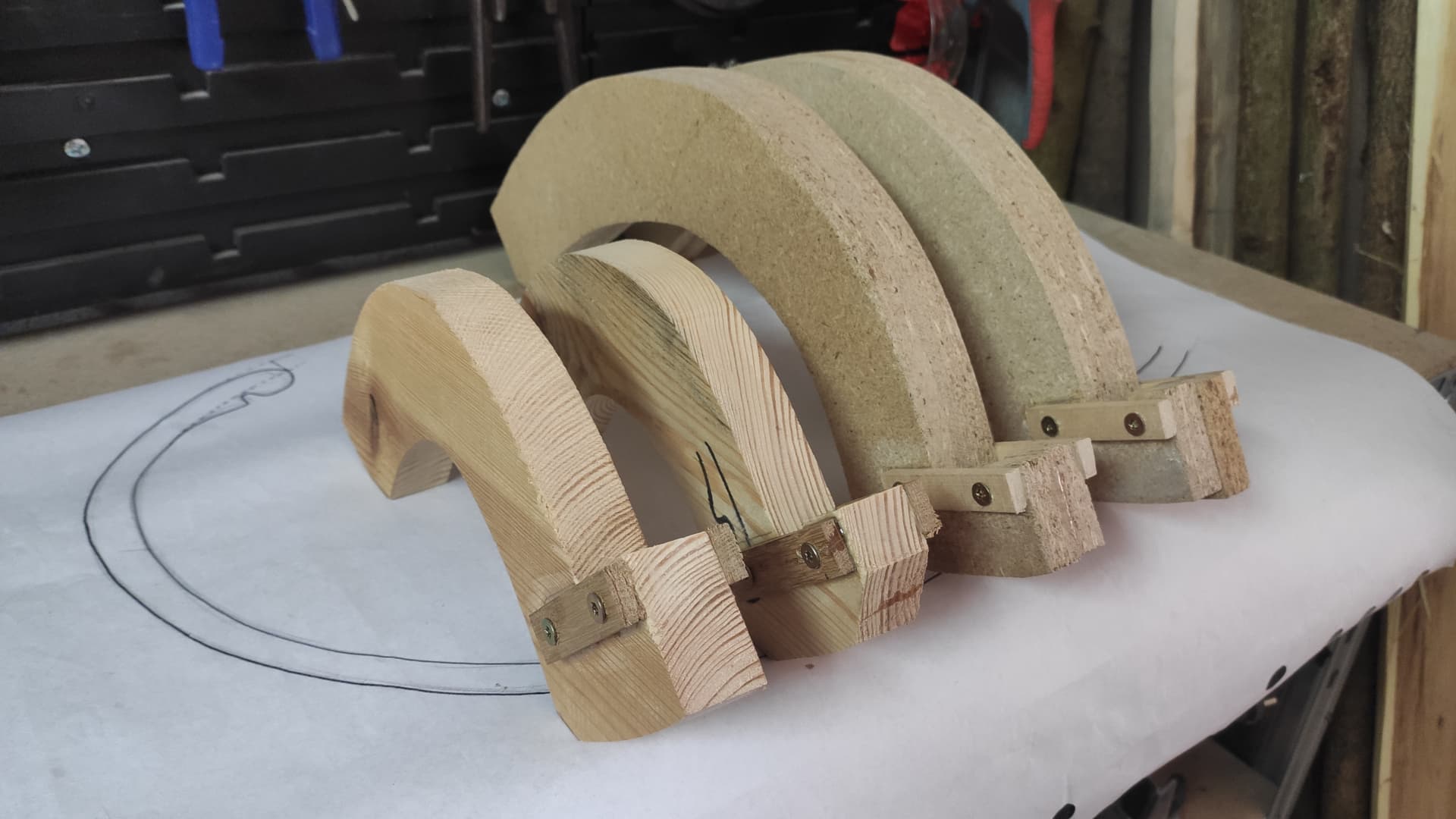
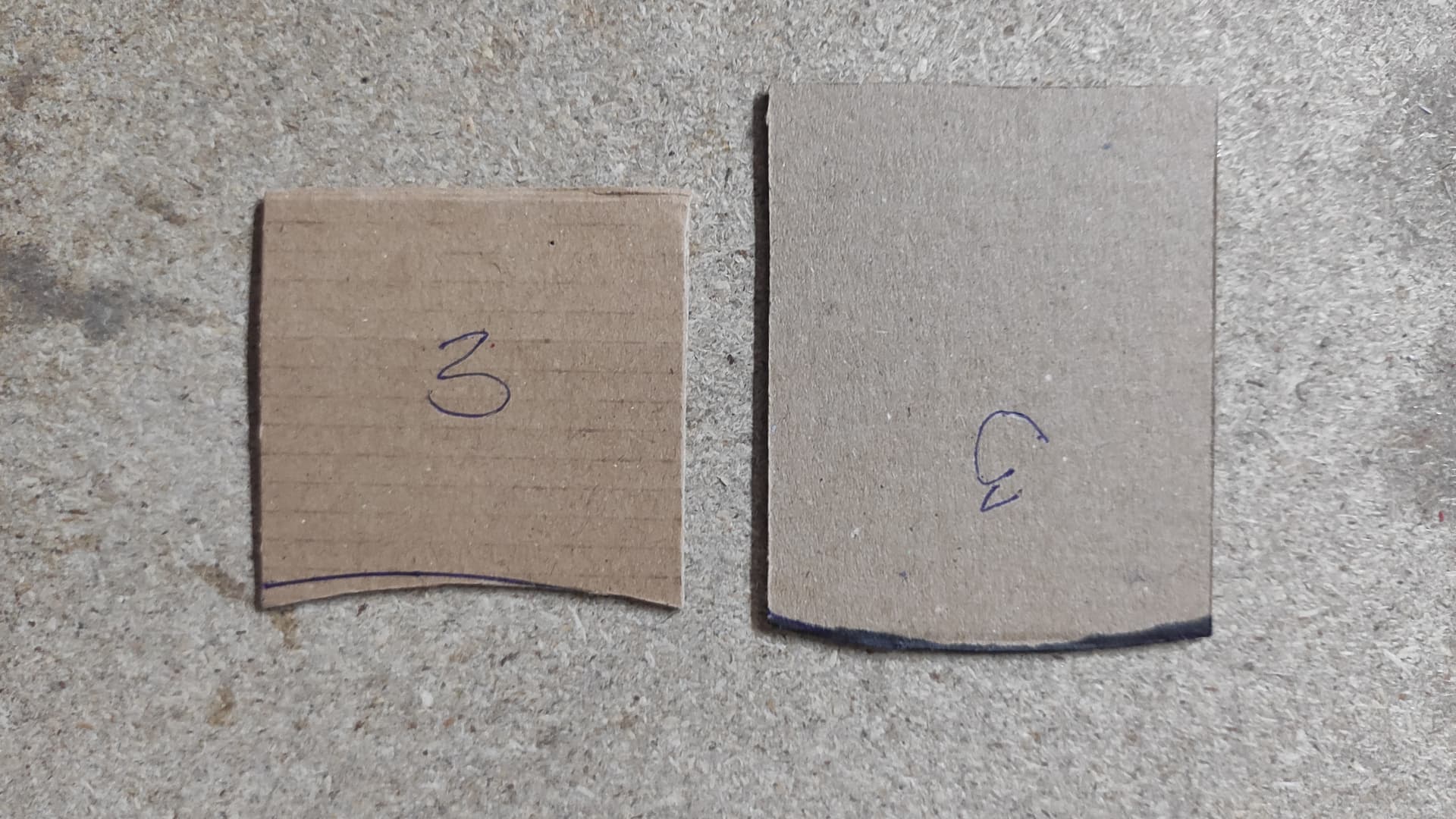
Btw, the second core in your picture seems to have too much kasan angle. I think it will give you problems that you don’t want.
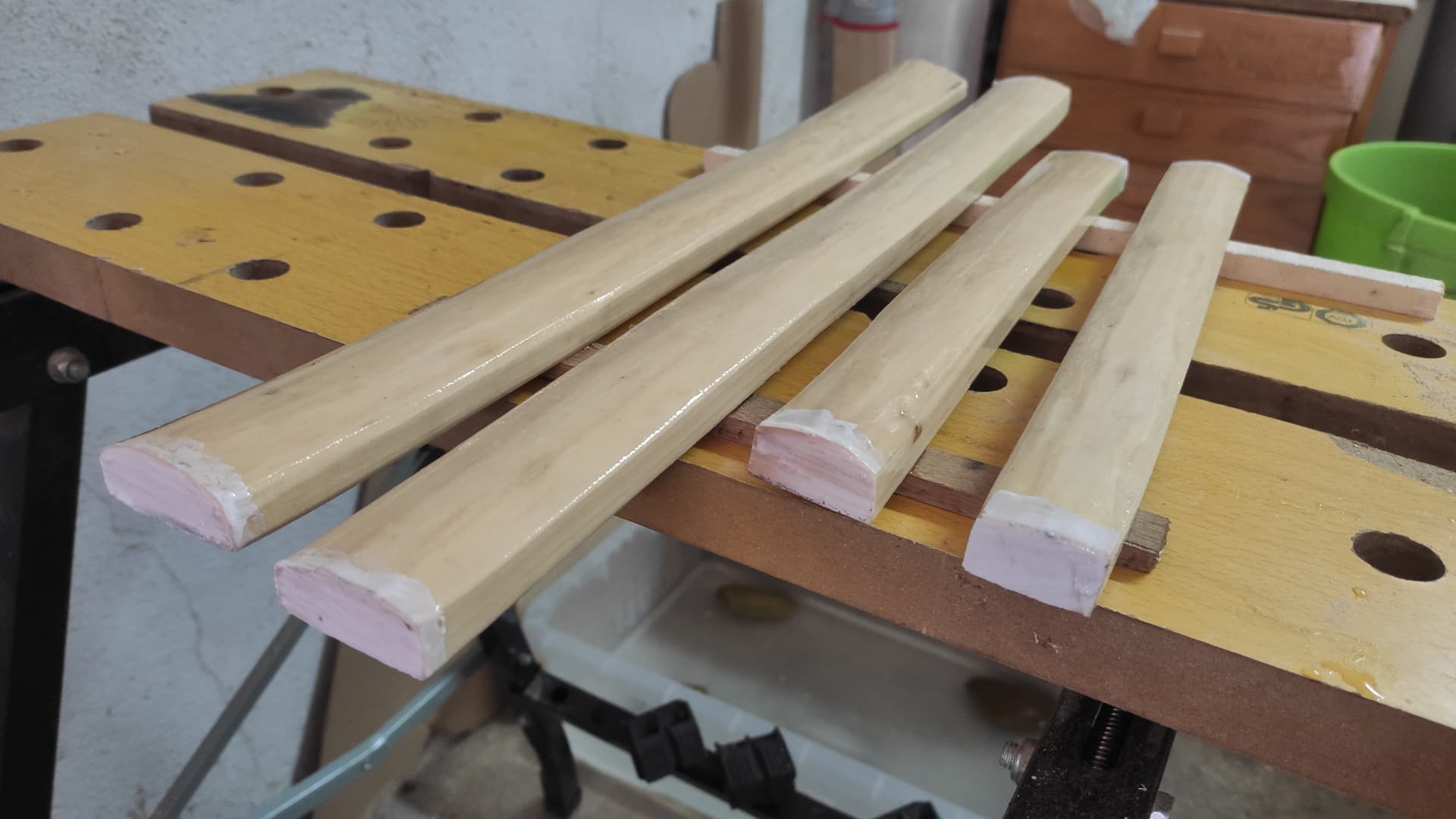
Our horn prep process seems very similar! I also sized a batch of horns for new bows. Now i’m working on the cores.
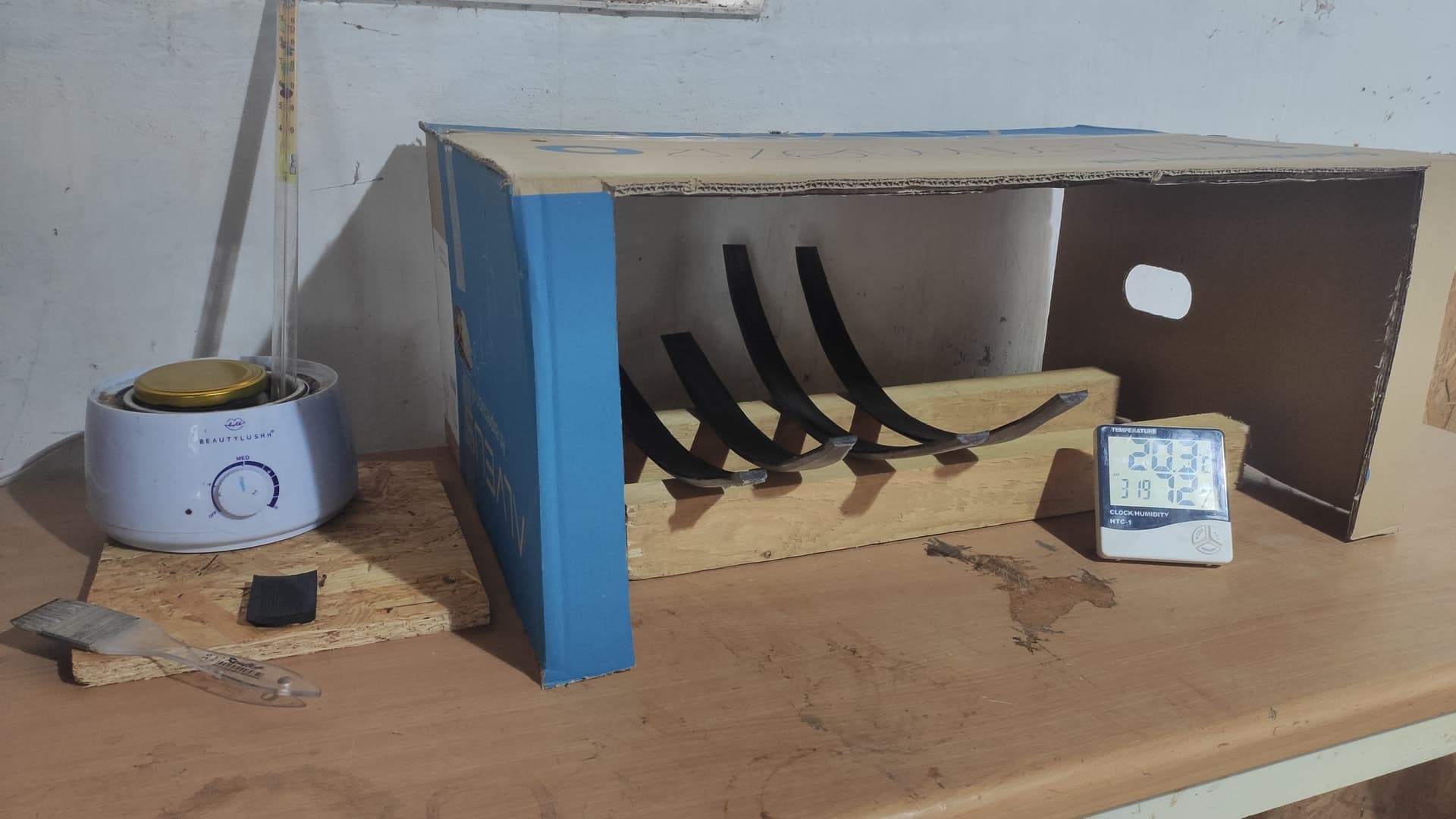
High humidity seems to make the gluing process so much easier… I should move to a mediterranean country!!
Low temperature is also an advantage during sizing, then the glue doesn’t run as much into the center of the curved horn. I’ll probably do another batch of sizing in the spring, and then during summer before gluing I’ll scrape off the glue and refresh it with a new layer. I wonder if exposing the glue surface to air for long time has the same effect as it does on wood.
That Turkish core is no longer usable, I had an accident on the bandsaw…
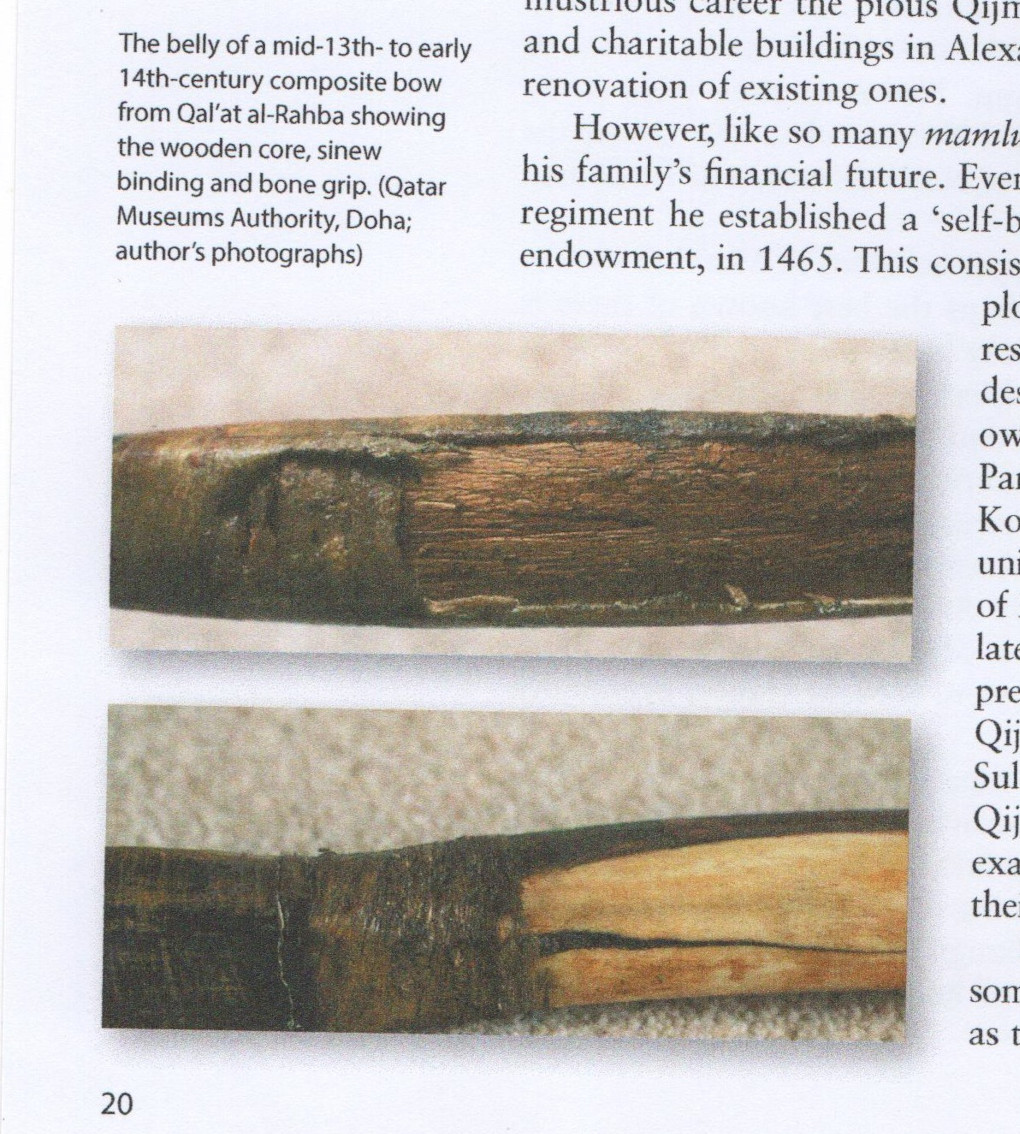
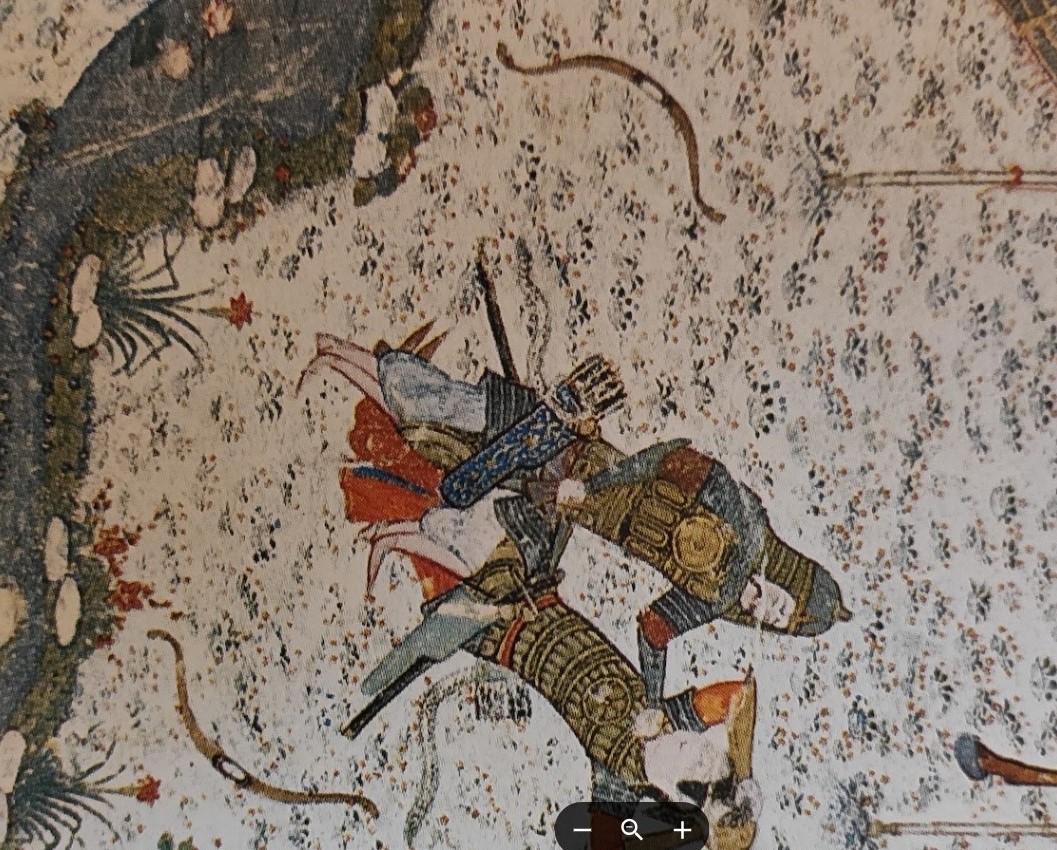
The Mamluk doesn’t have a kasan and the limb has the biggest reflex near the handle, gradually straightening out toward the limb/tip bend. It also has a longer working section than the Turkish bow. Another thing is that it has bone on the handle, which can be seen in finds and also in paintings. According to Taybugha, the arrows were 29 inches long, but I don’t know if that’s including the arrowhead. I think the bows were 46–50 inches long.
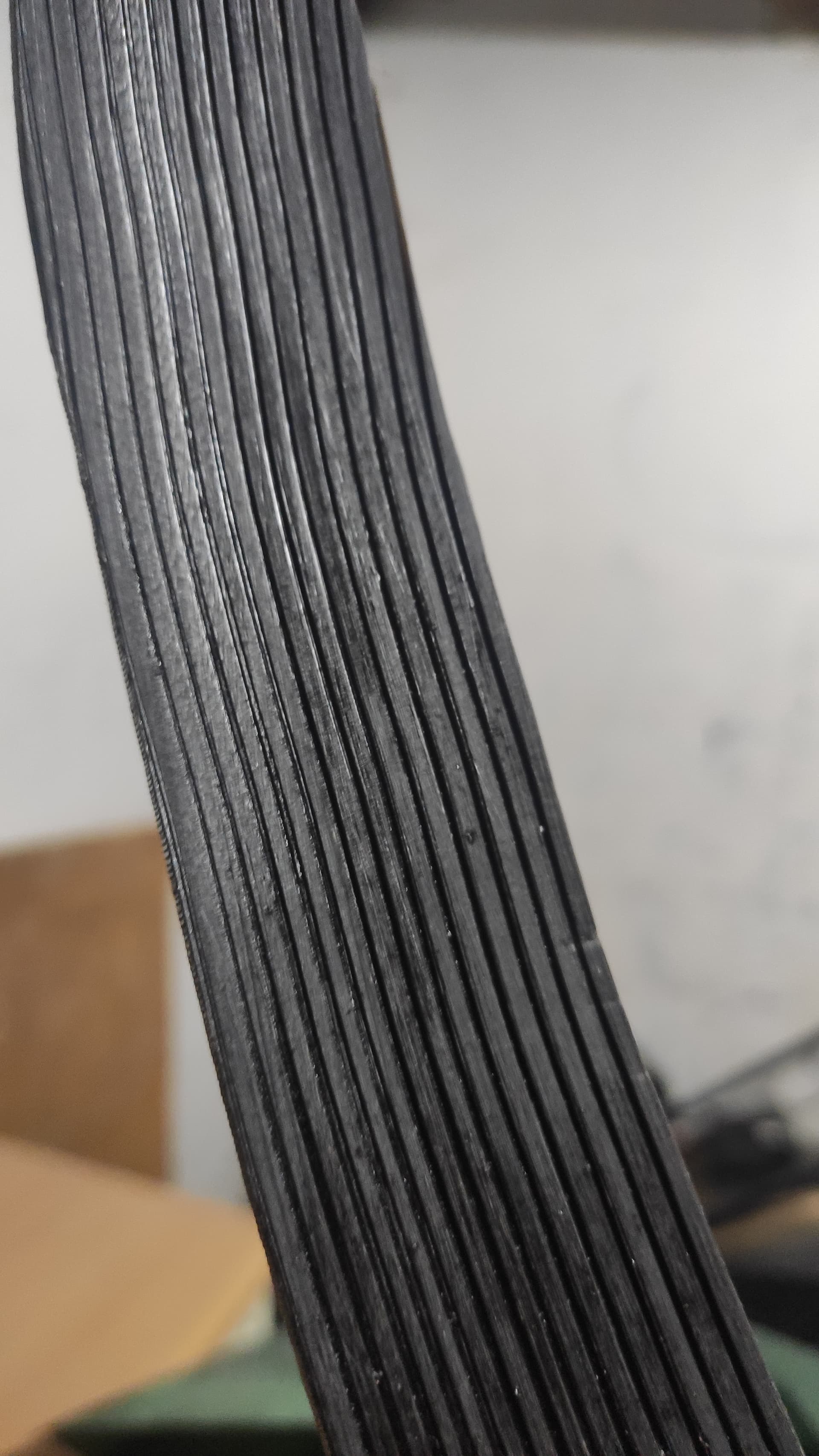
You mean the last photo, finished completely to depth? If so, that’s correct. Even though my scraper has 1mm teeth, I only go about 0.2 to 0.5mm deep. The horn looks like this.
Thanks, and I think that is how it was done then, judging from photos of core pieces from the citadel. And I can choose though wood with good grain orientation and make it thin.
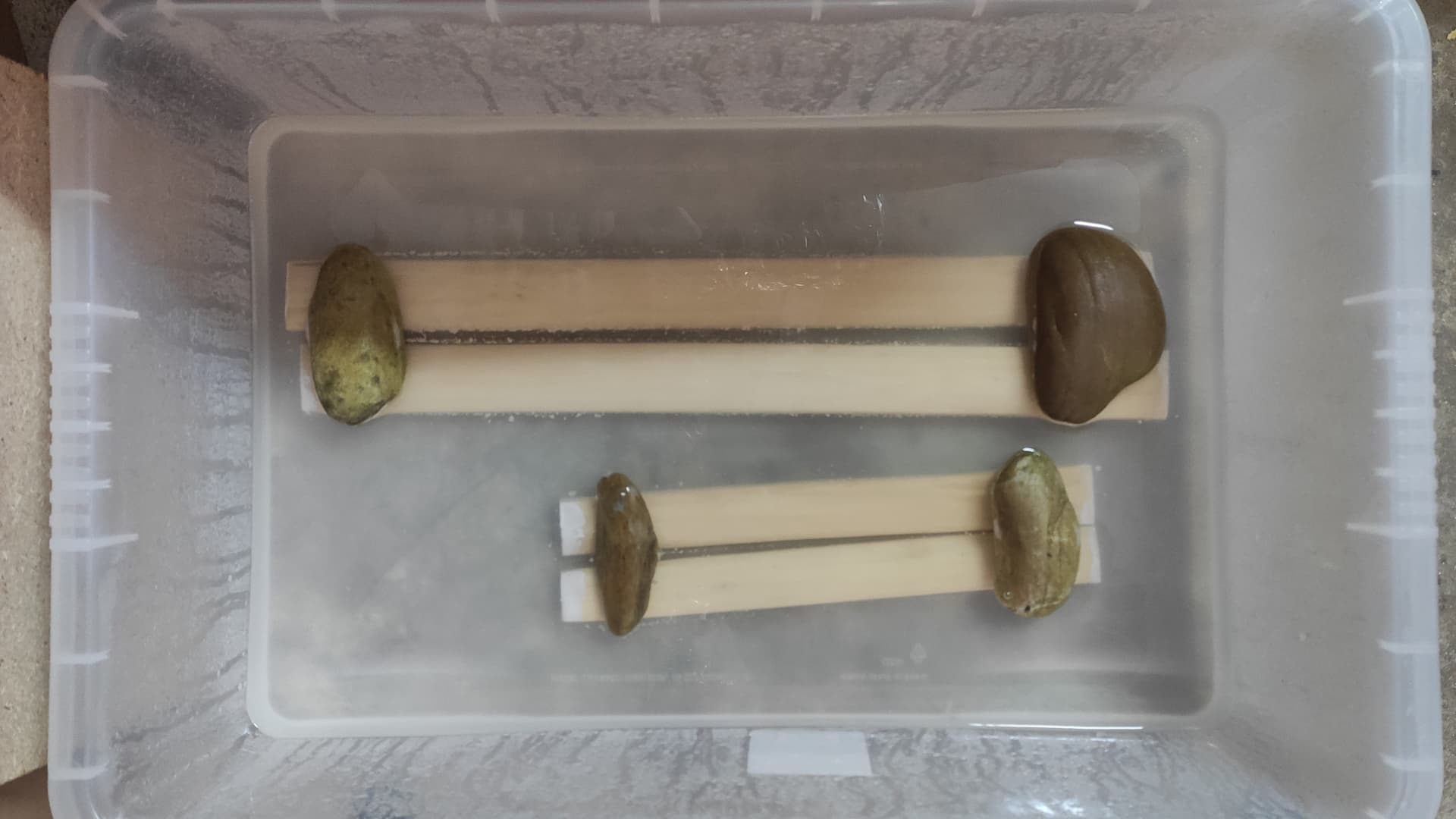
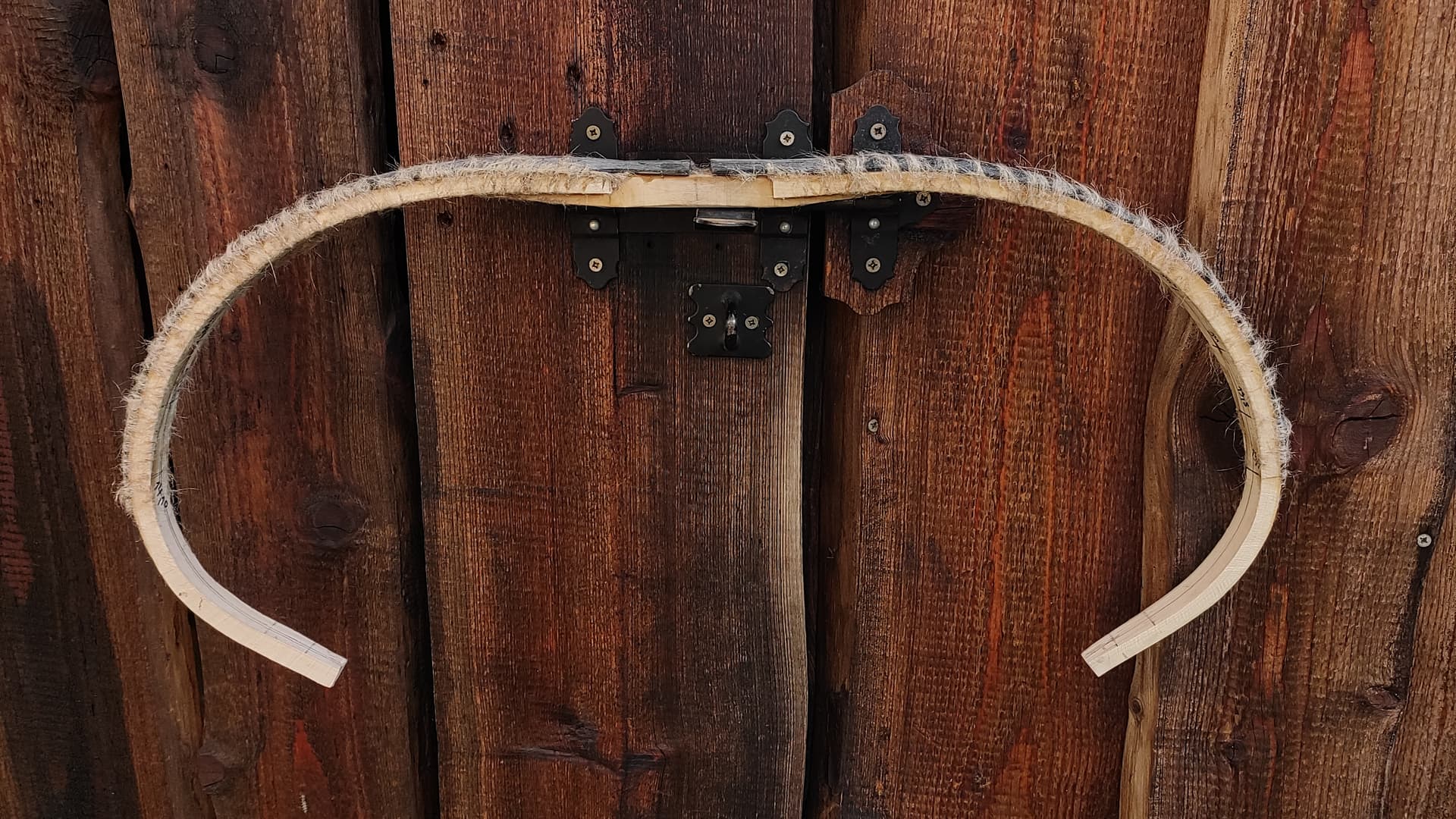
First layer of sinew. I tried a a different method this time - I put the sinew in warm water for 30 min, squeezed it, combed it, put it in the glue for a few seconds, then right onto the bow. I like this method because there is no combing after soaking in the glue. I don’t have time for that.
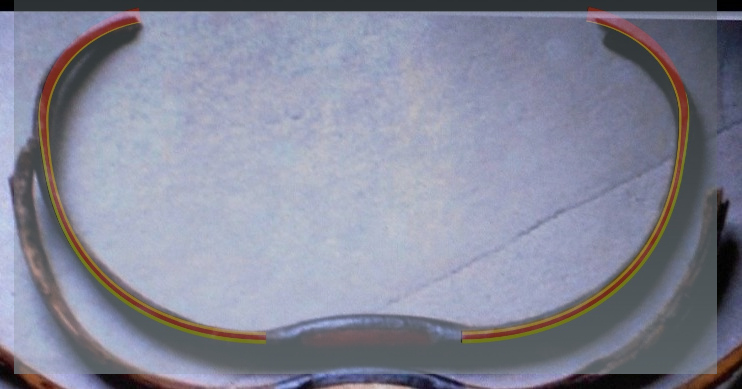
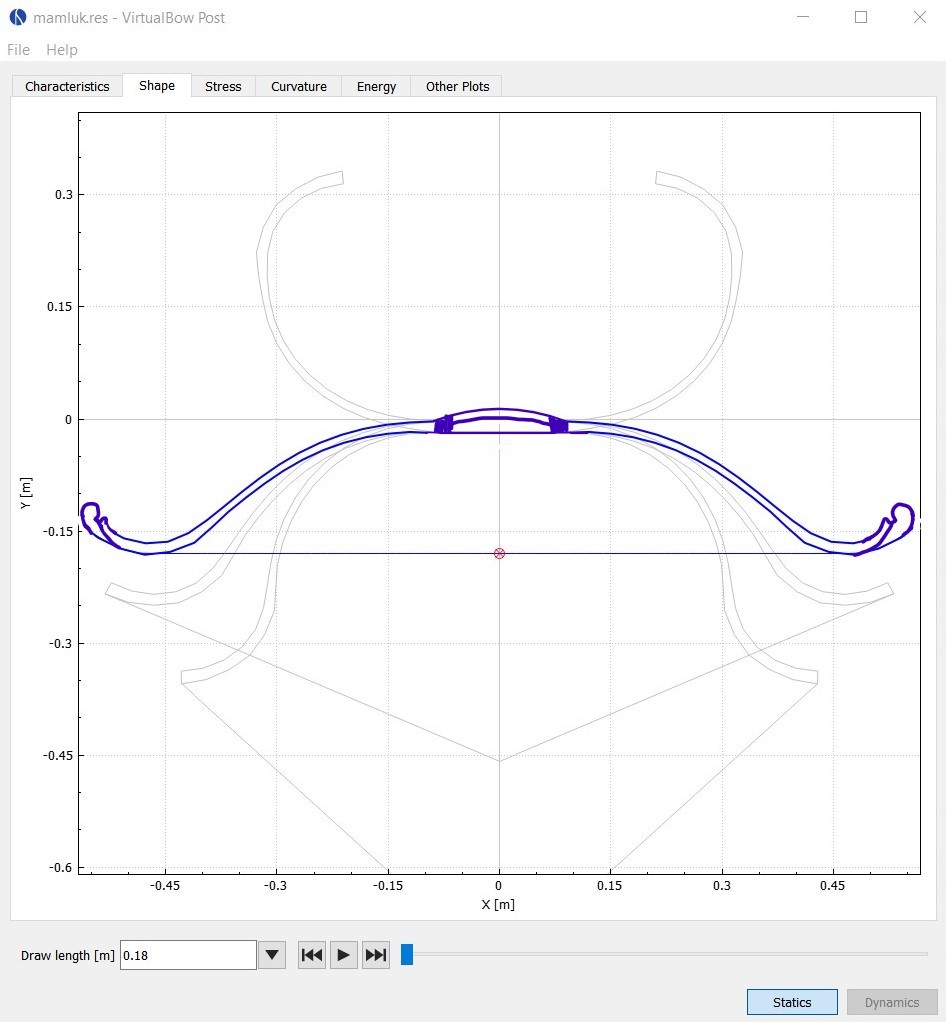
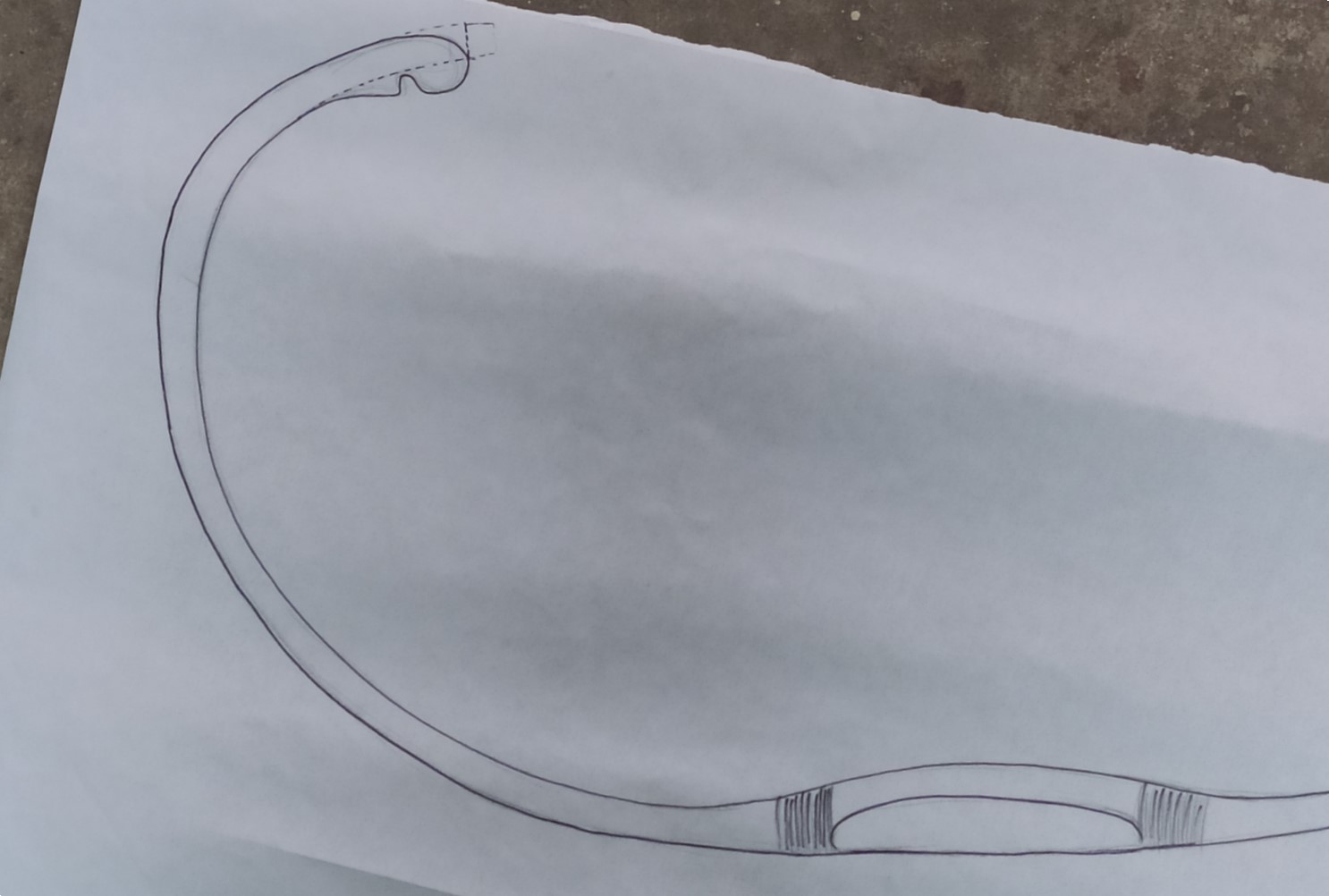
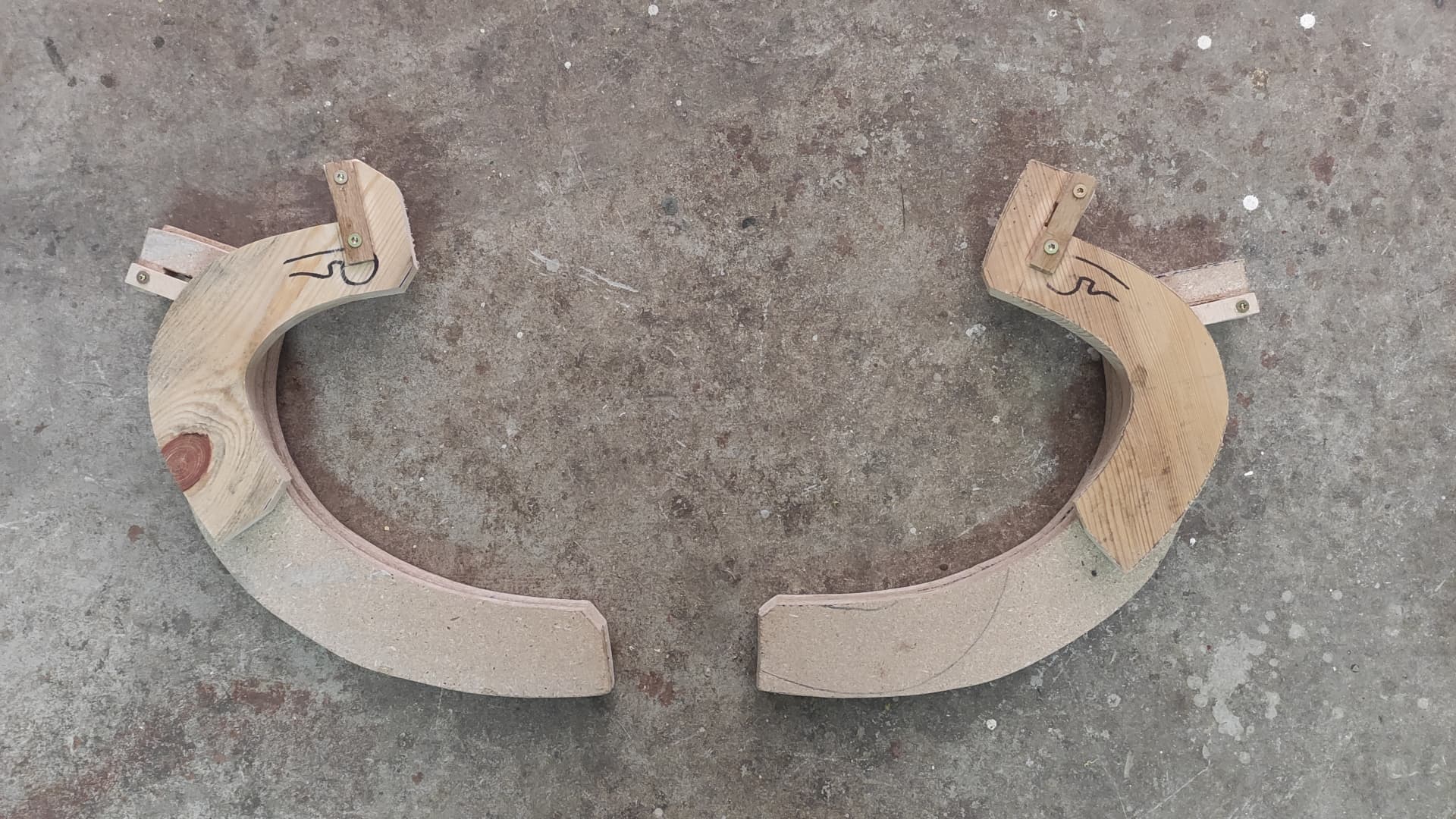
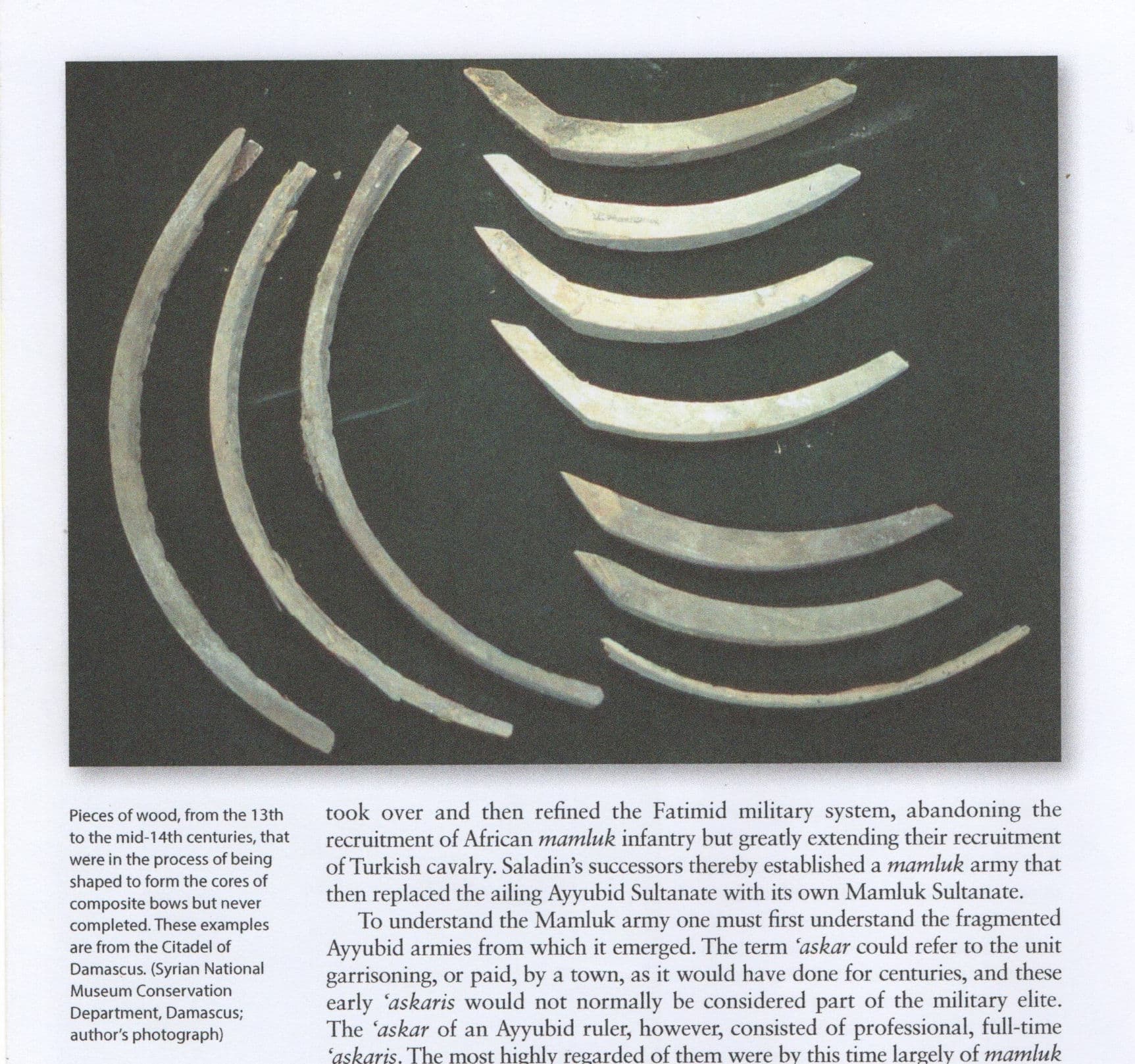
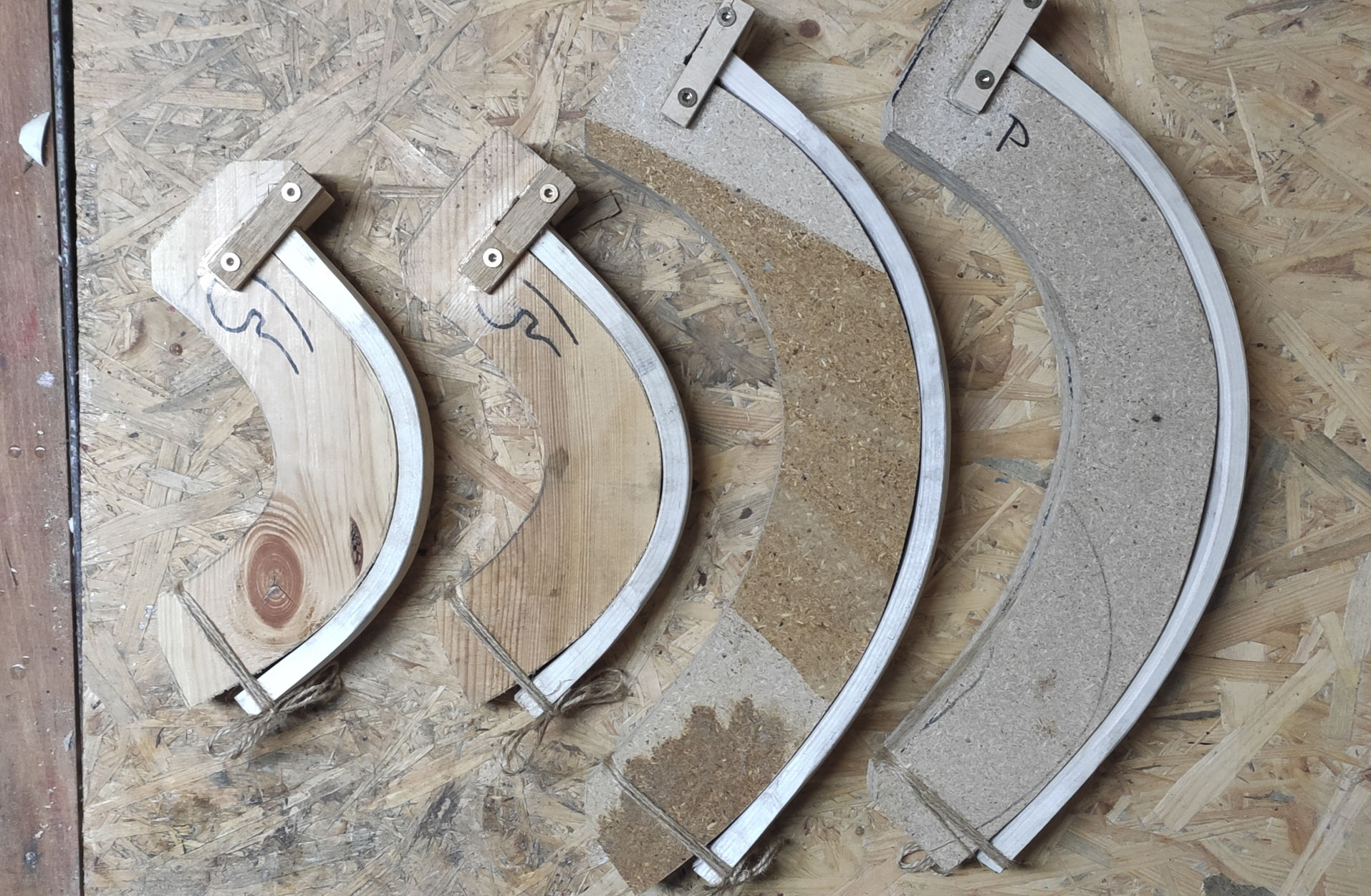
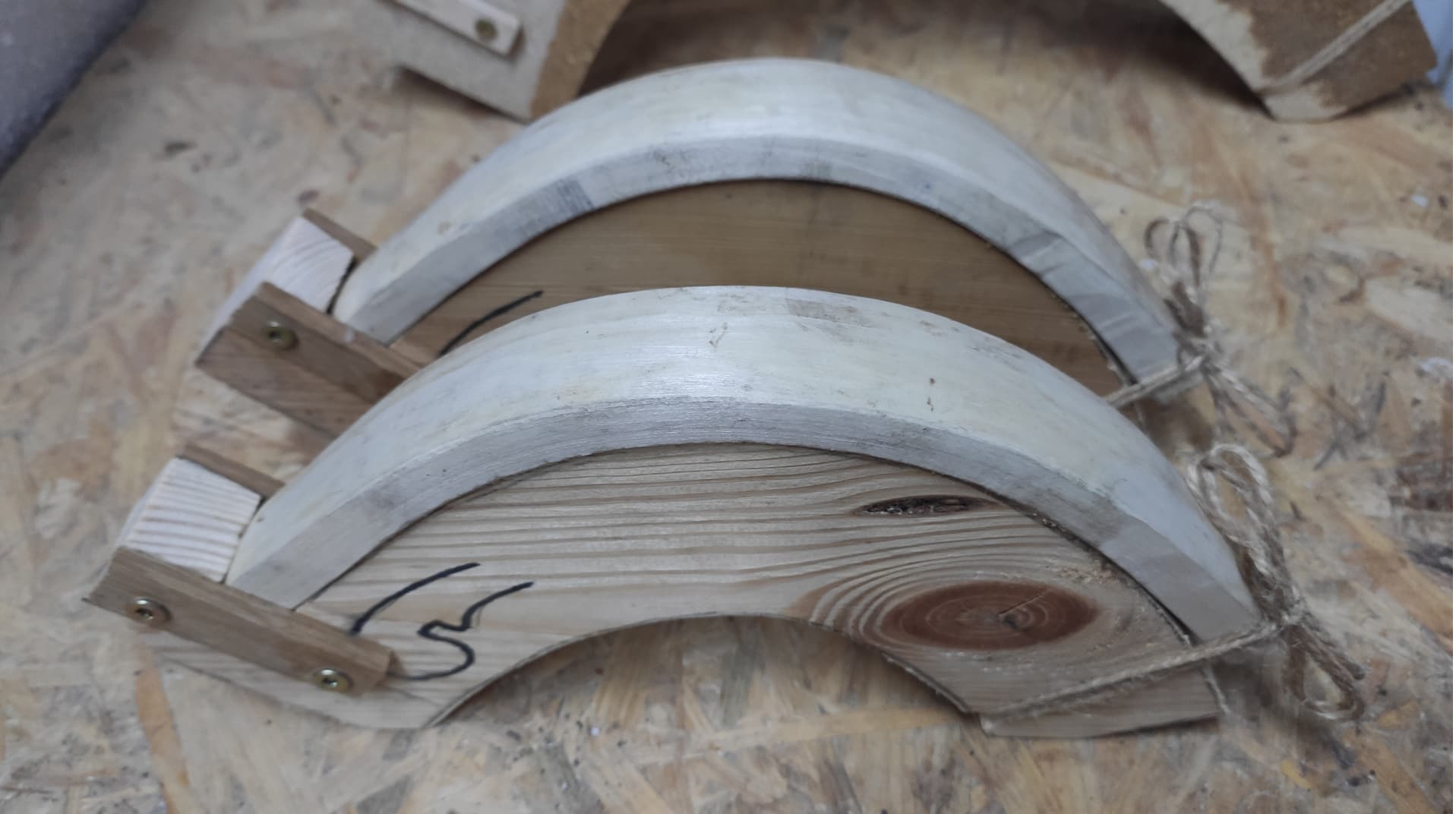
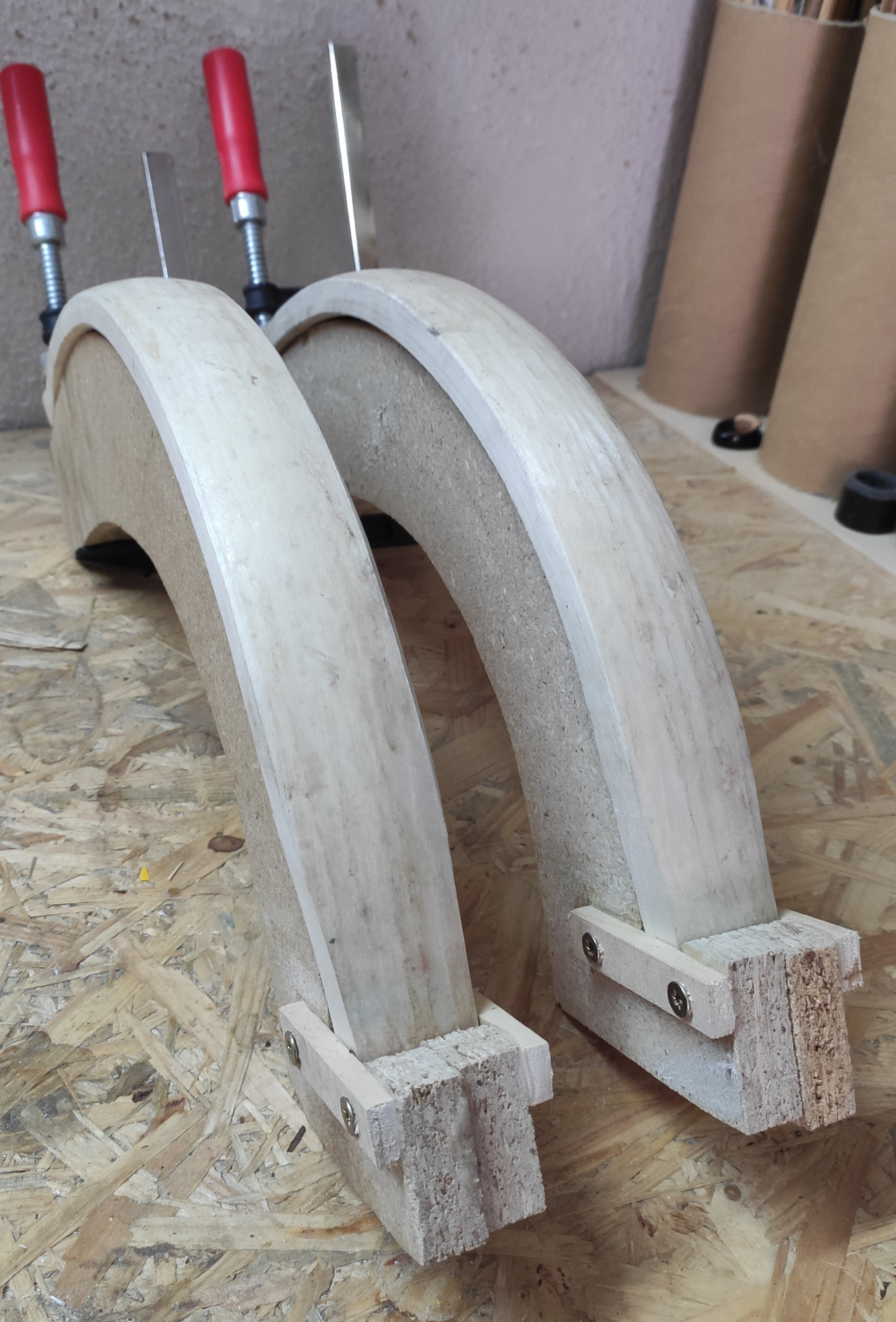
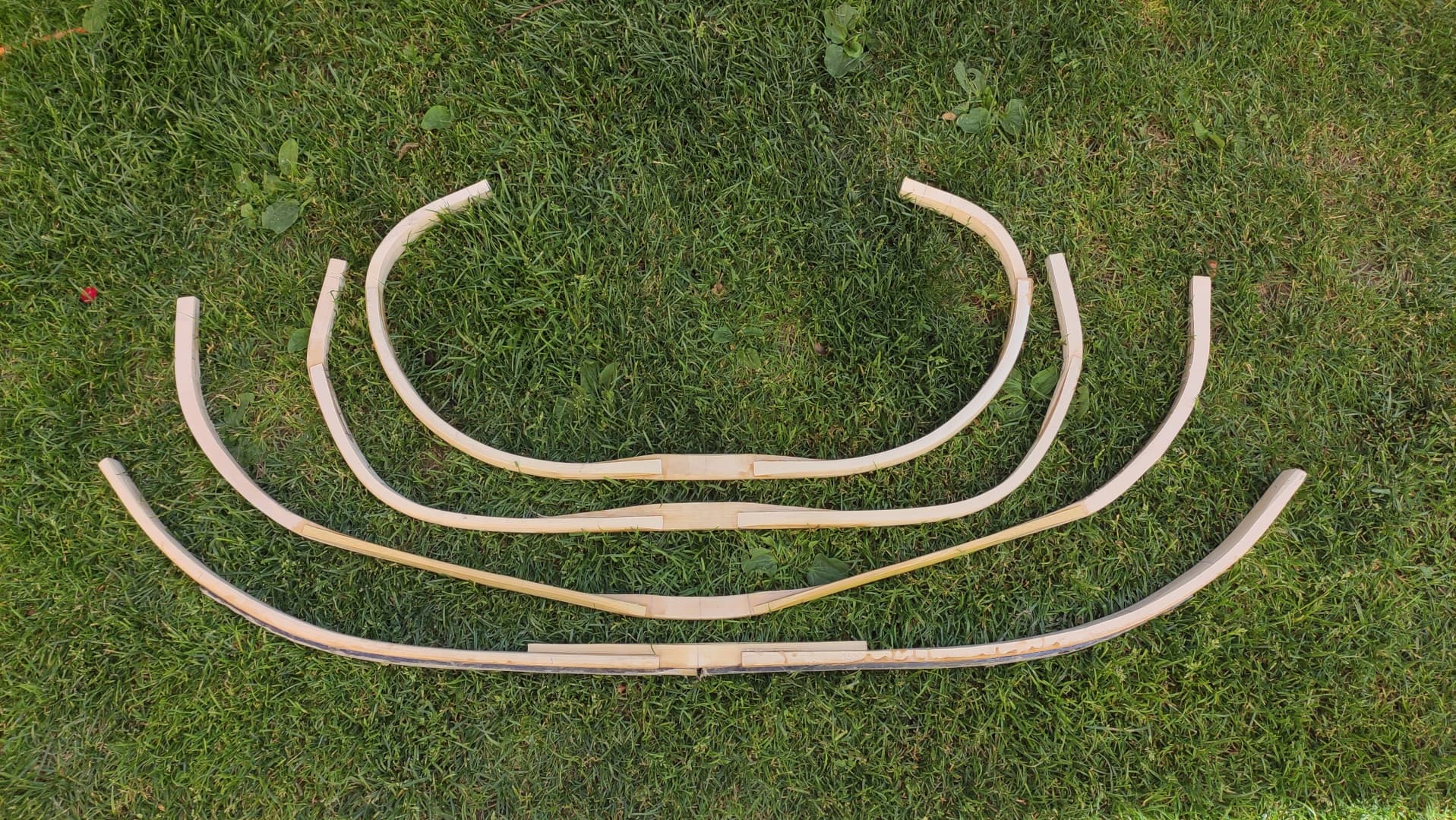
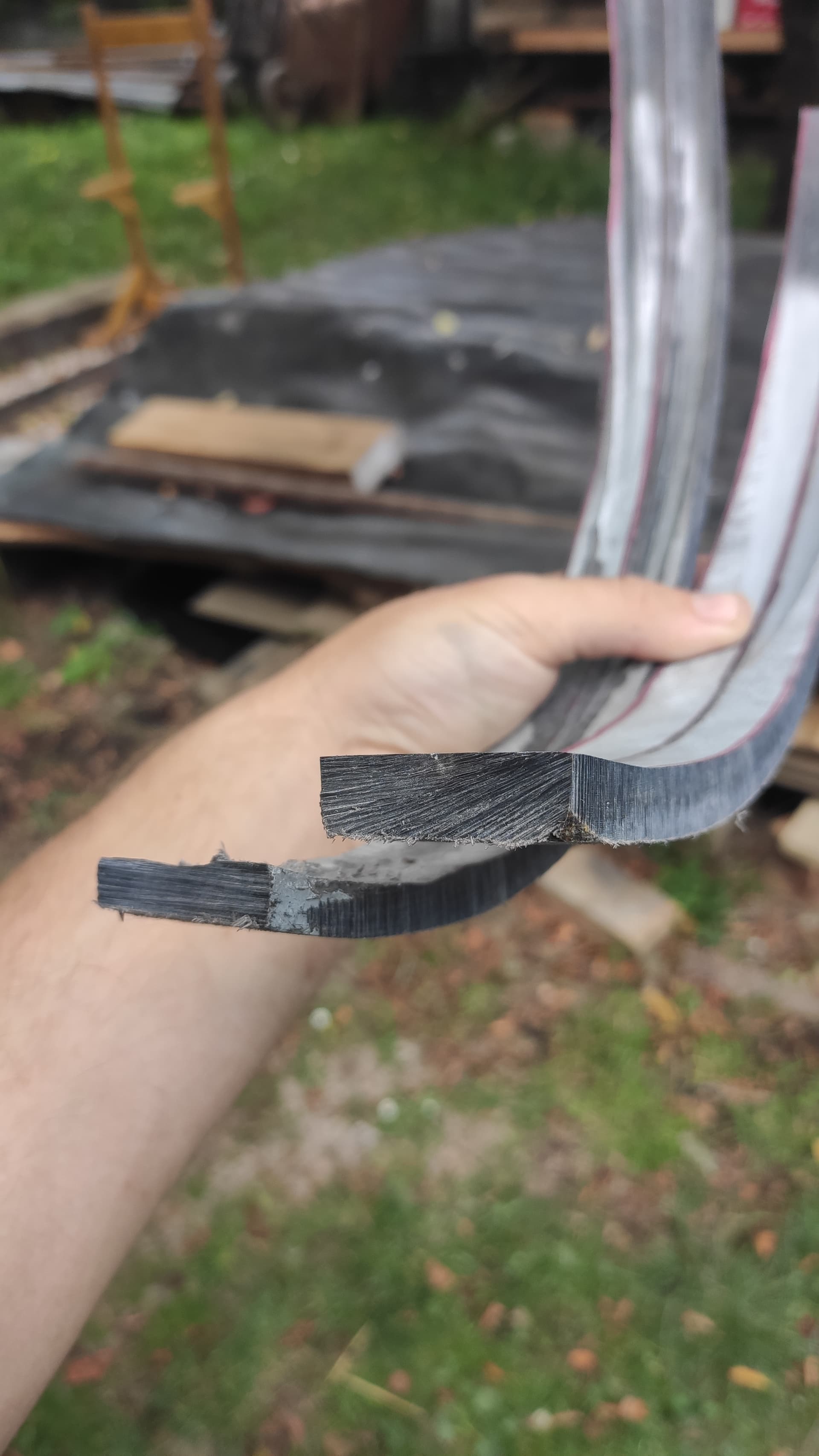
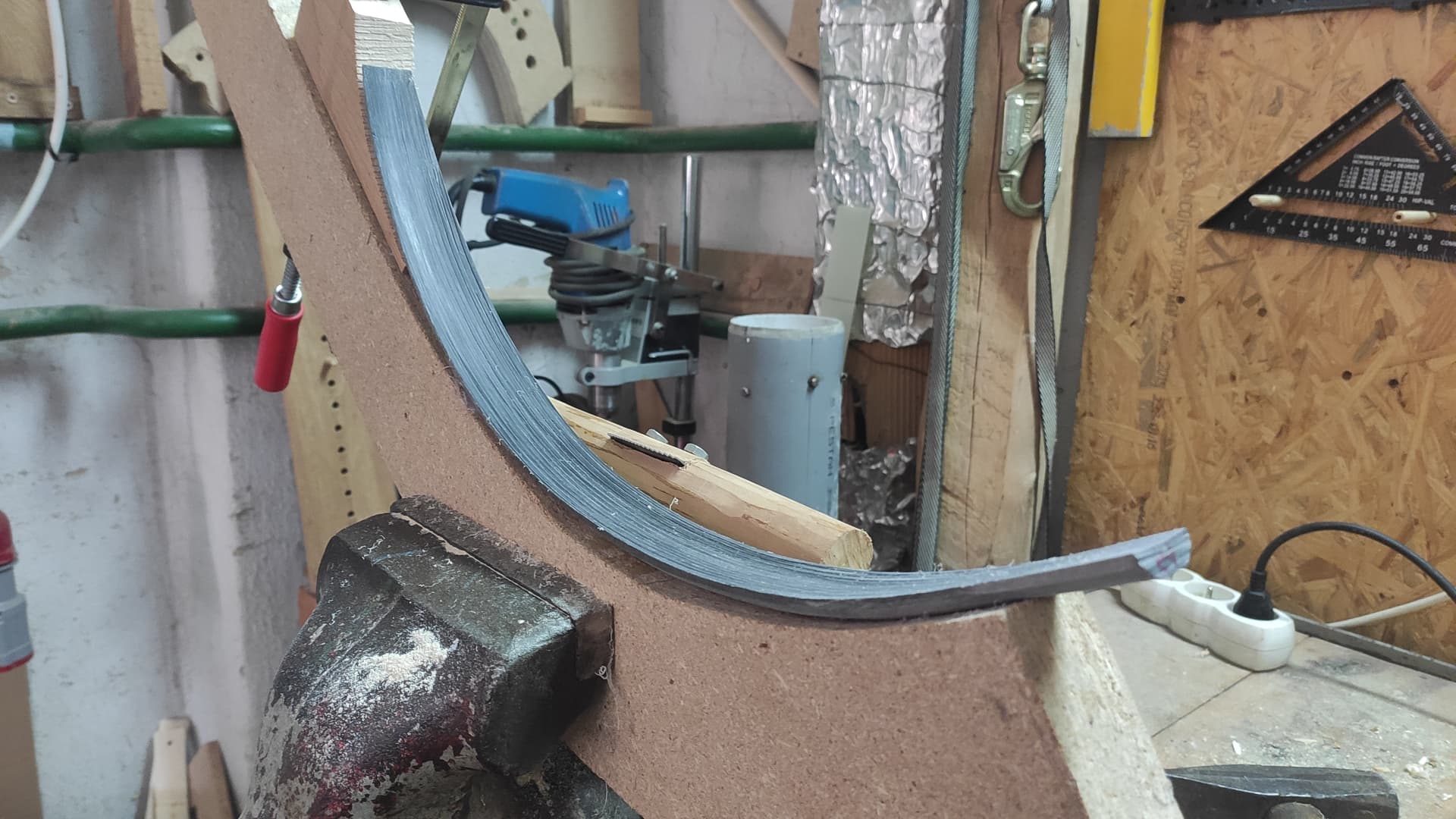
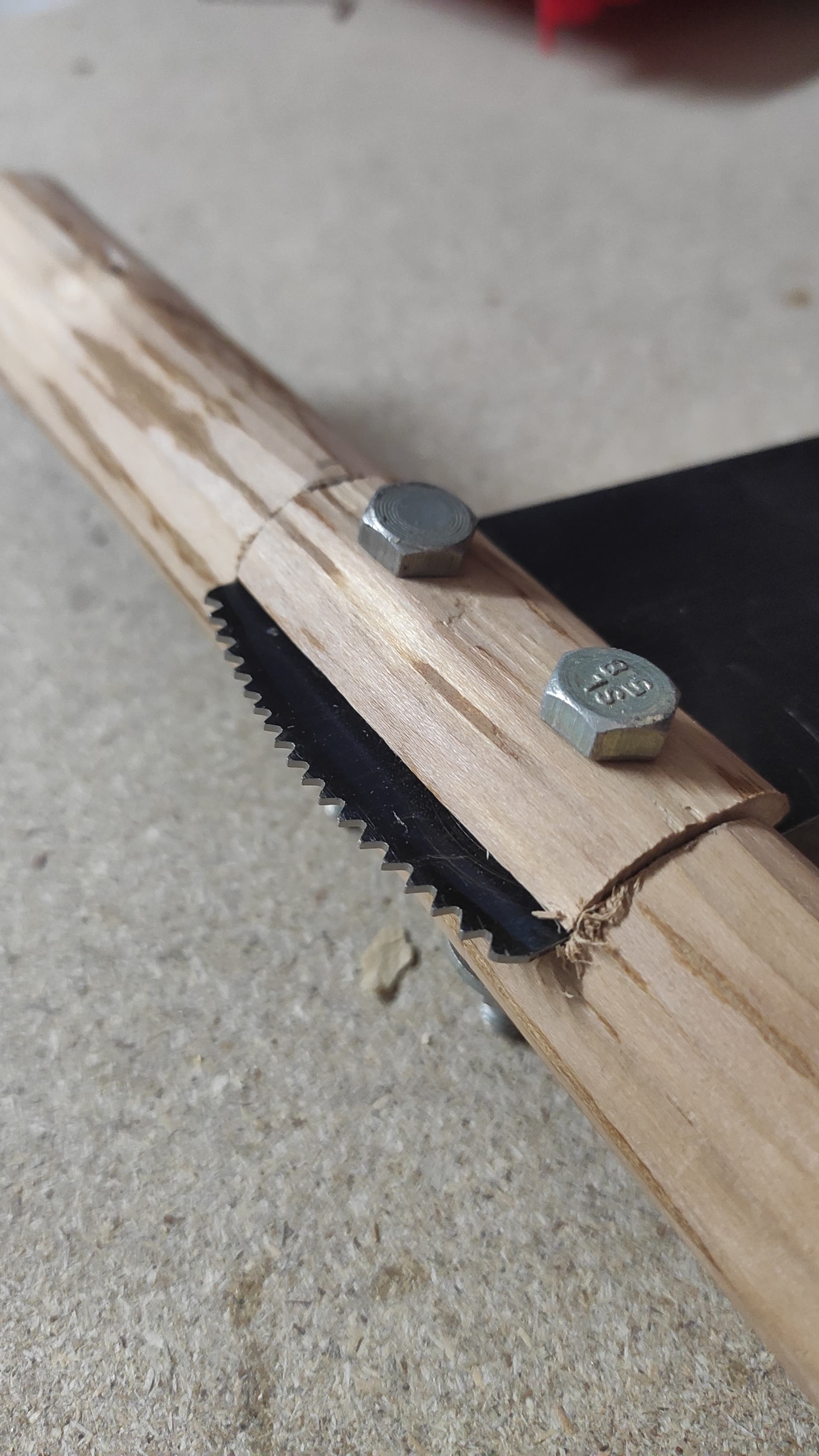

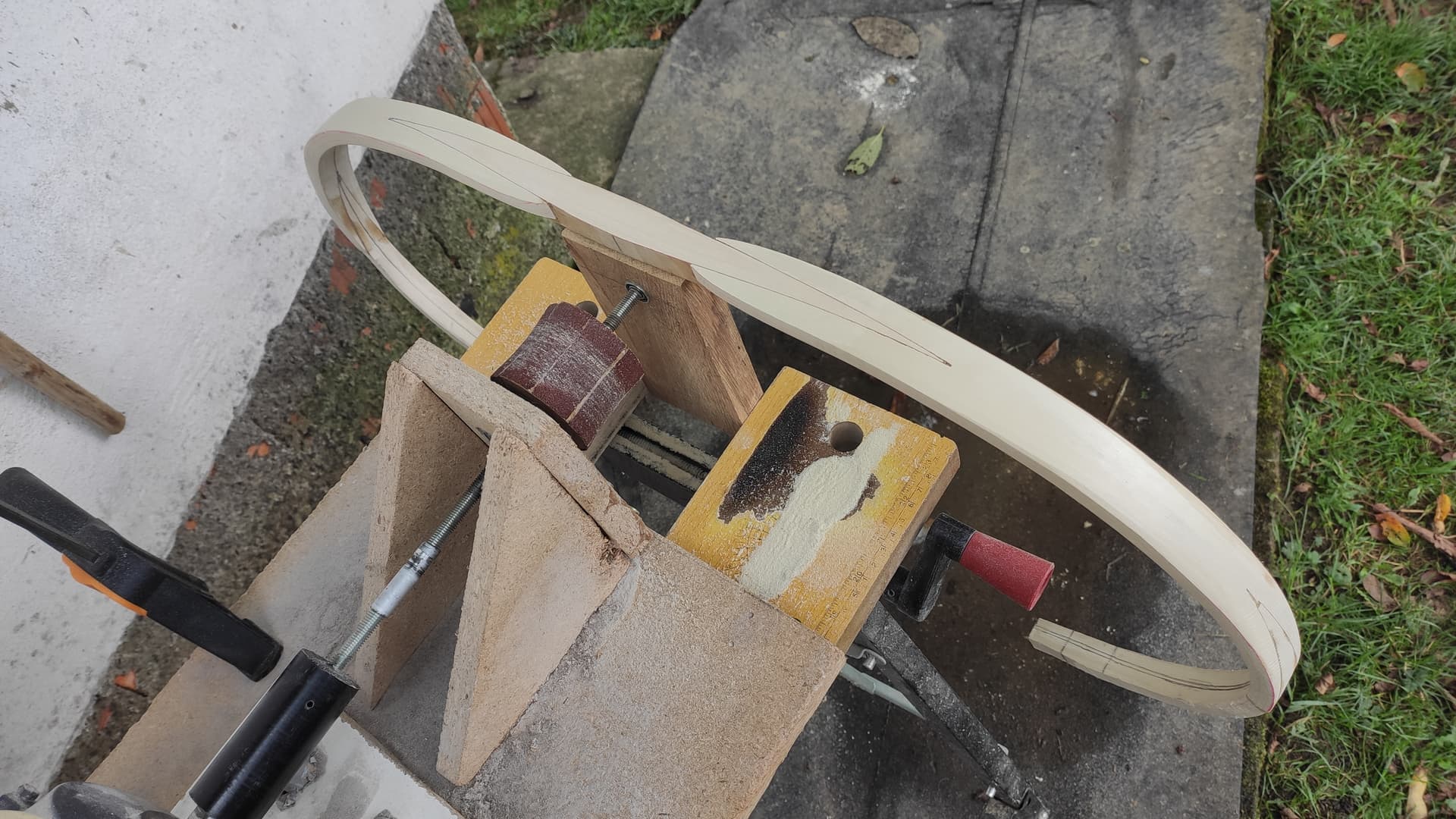
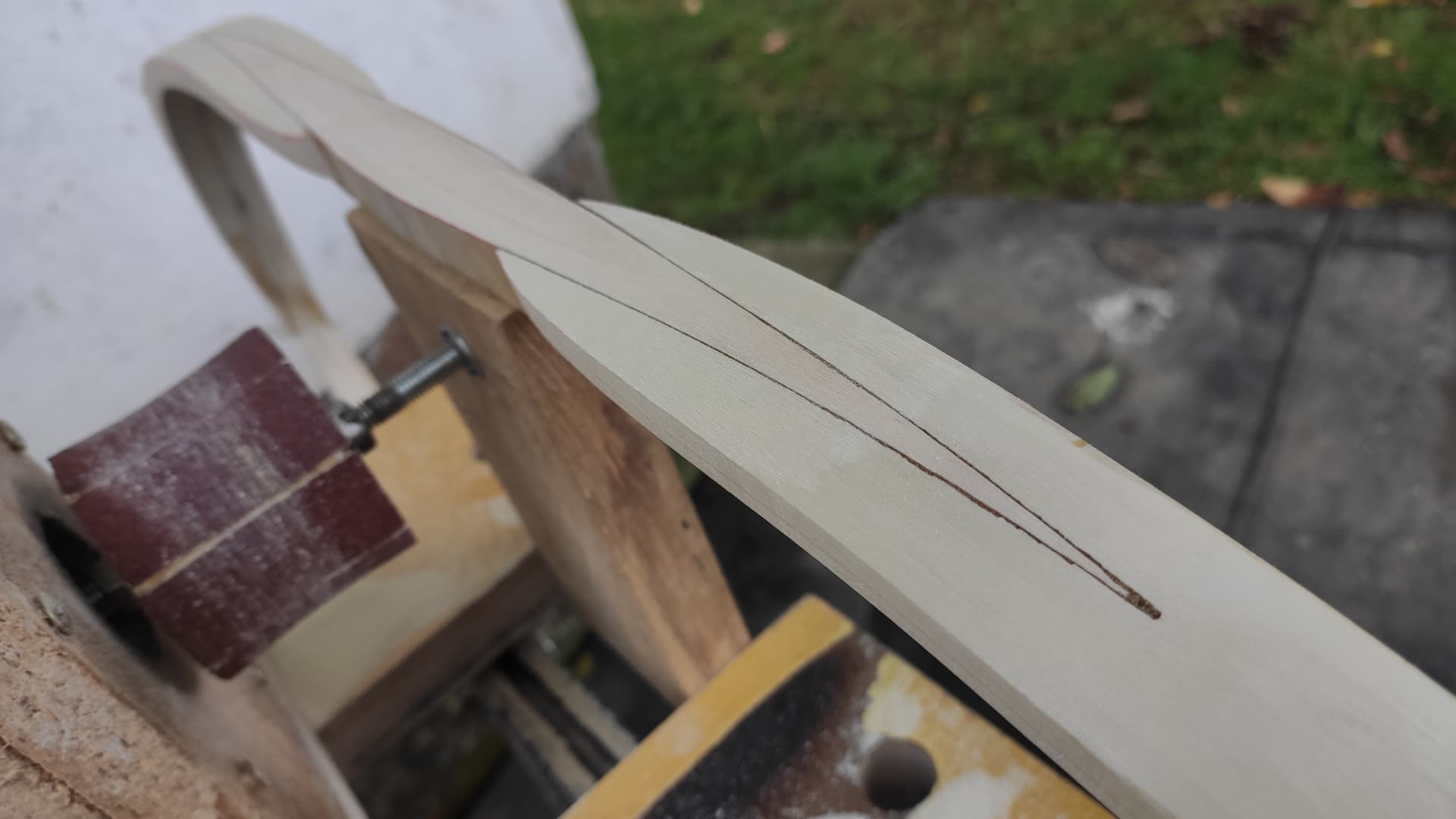
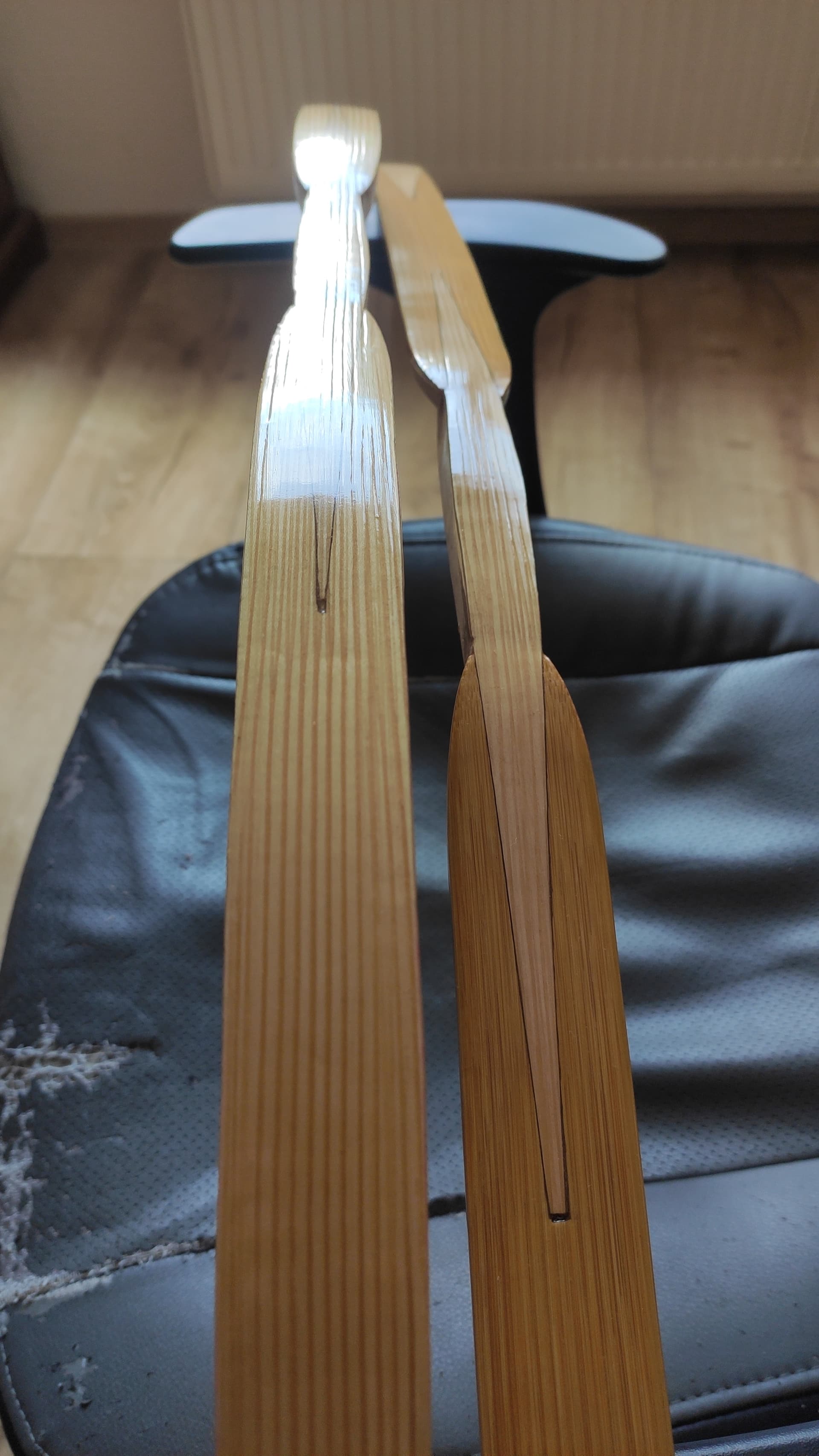
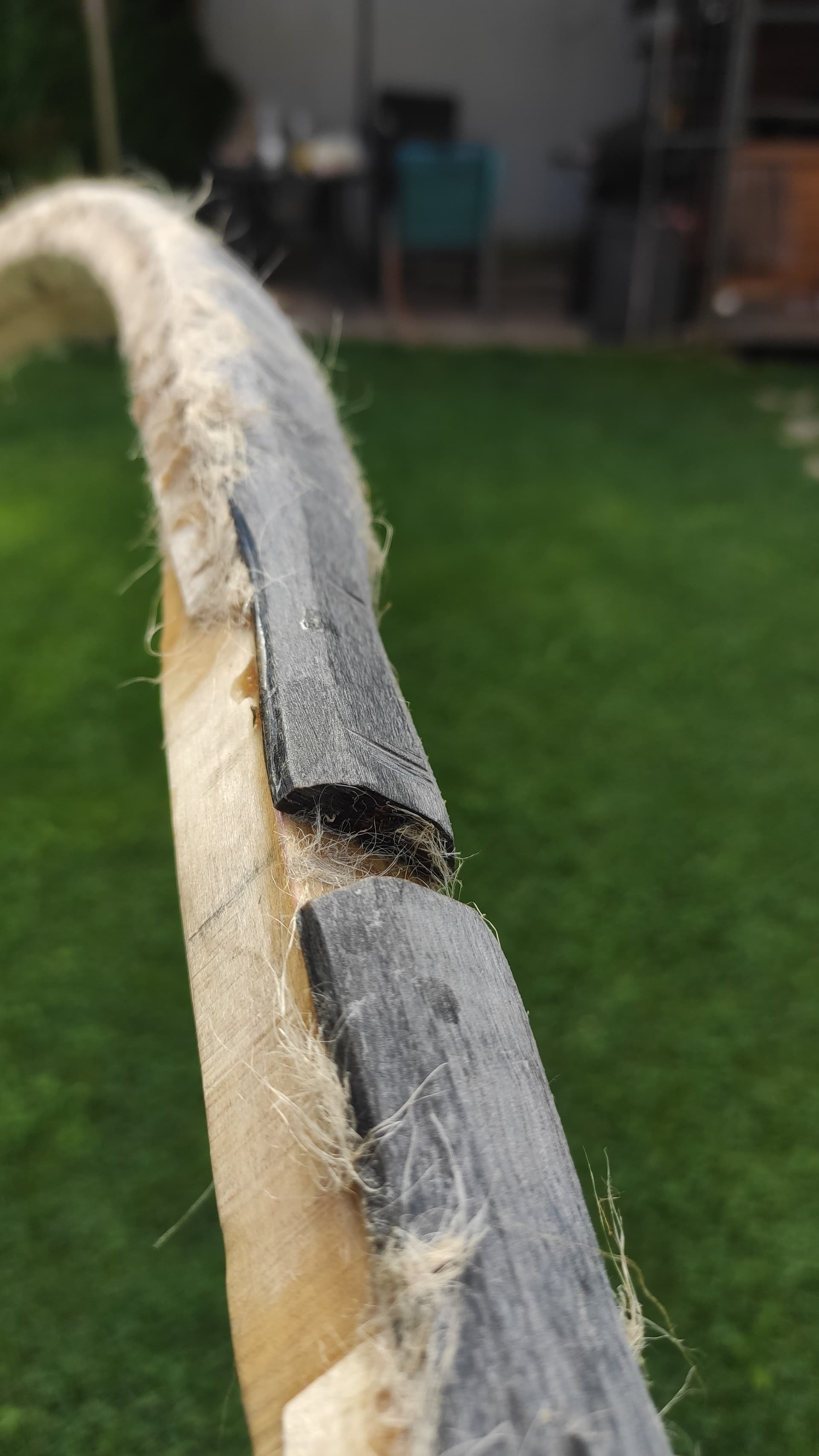
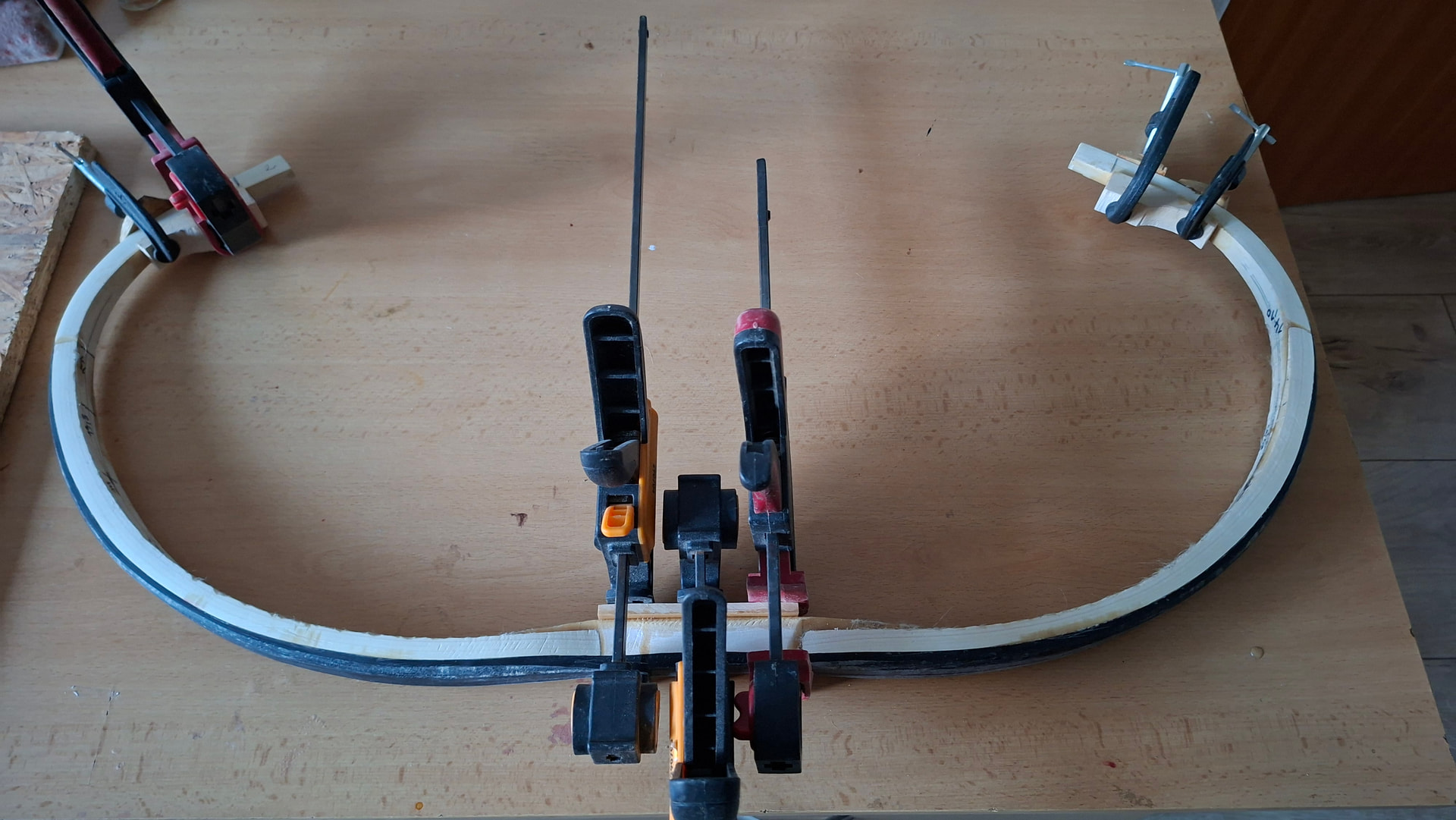
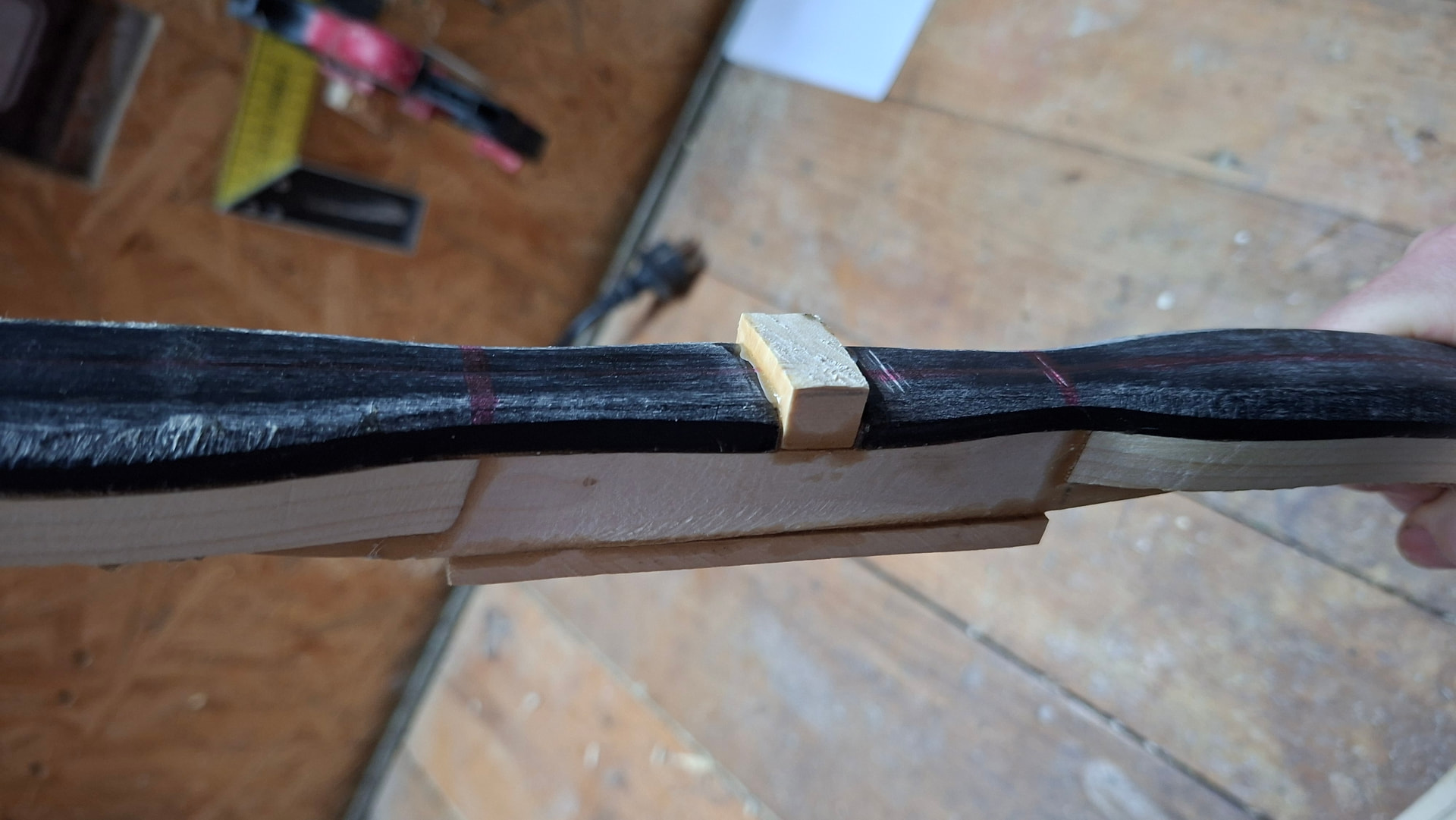
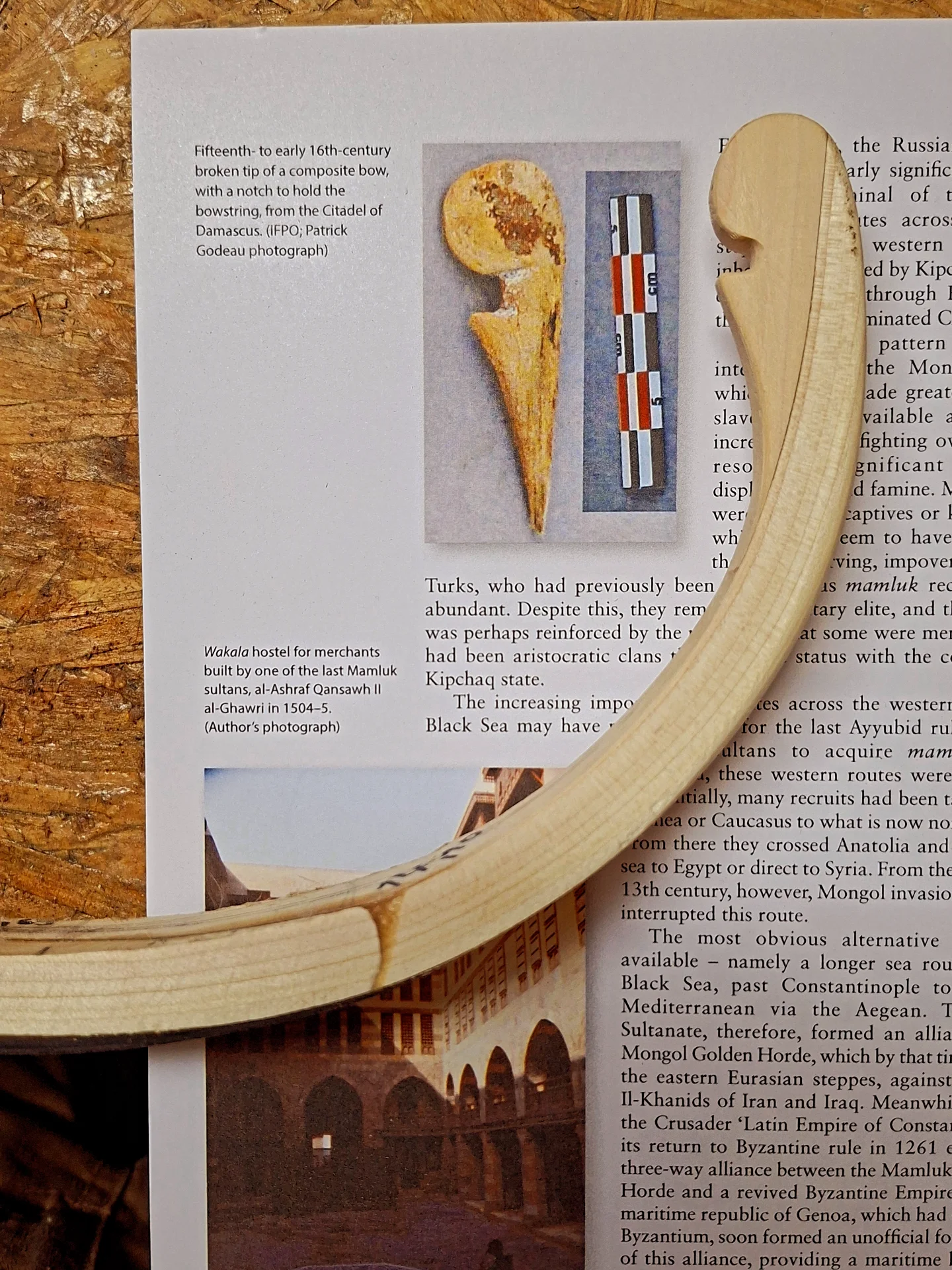
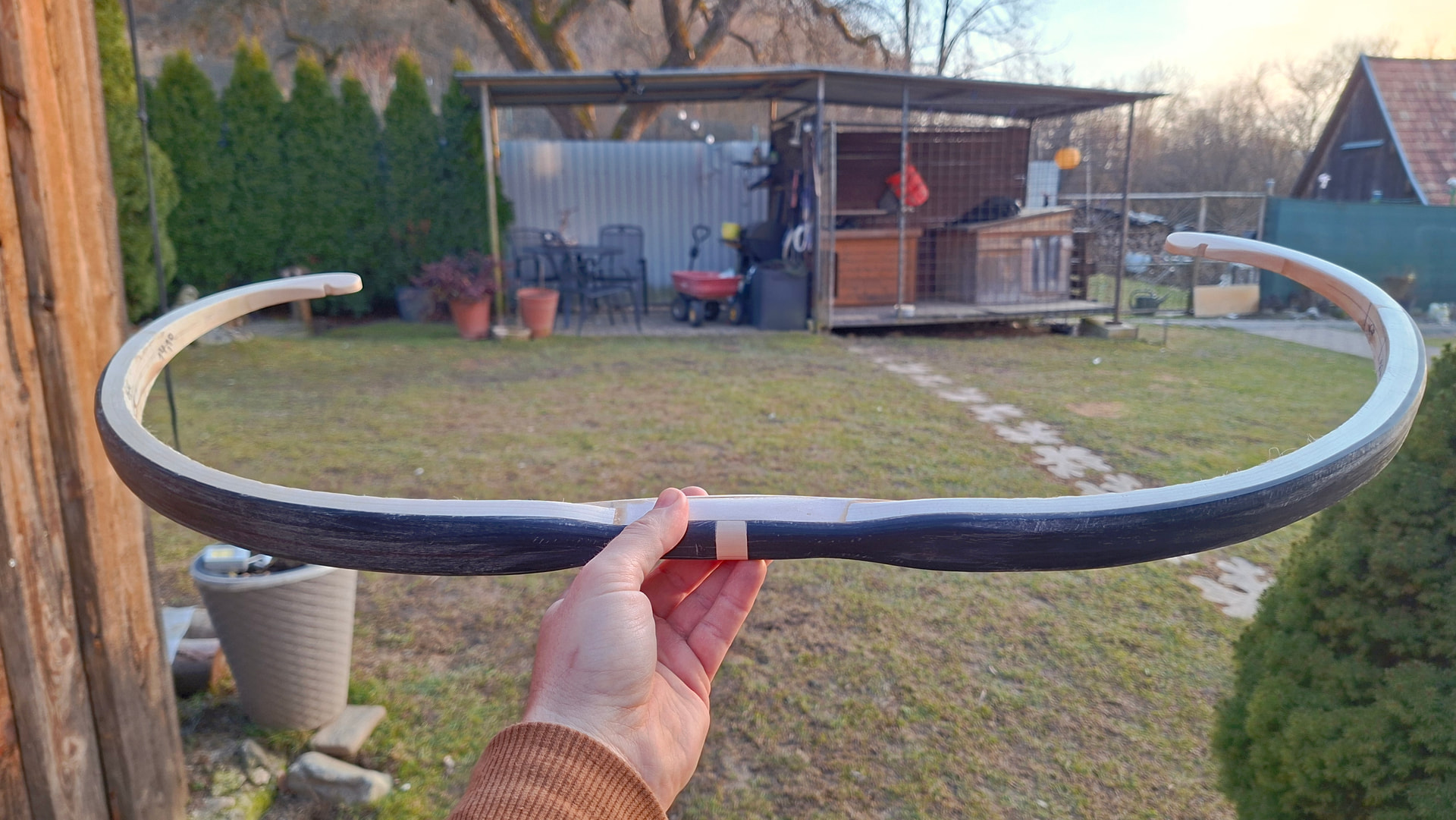
 The glued tip piece makes sense, ain’t nobody got enough thick wood always available…